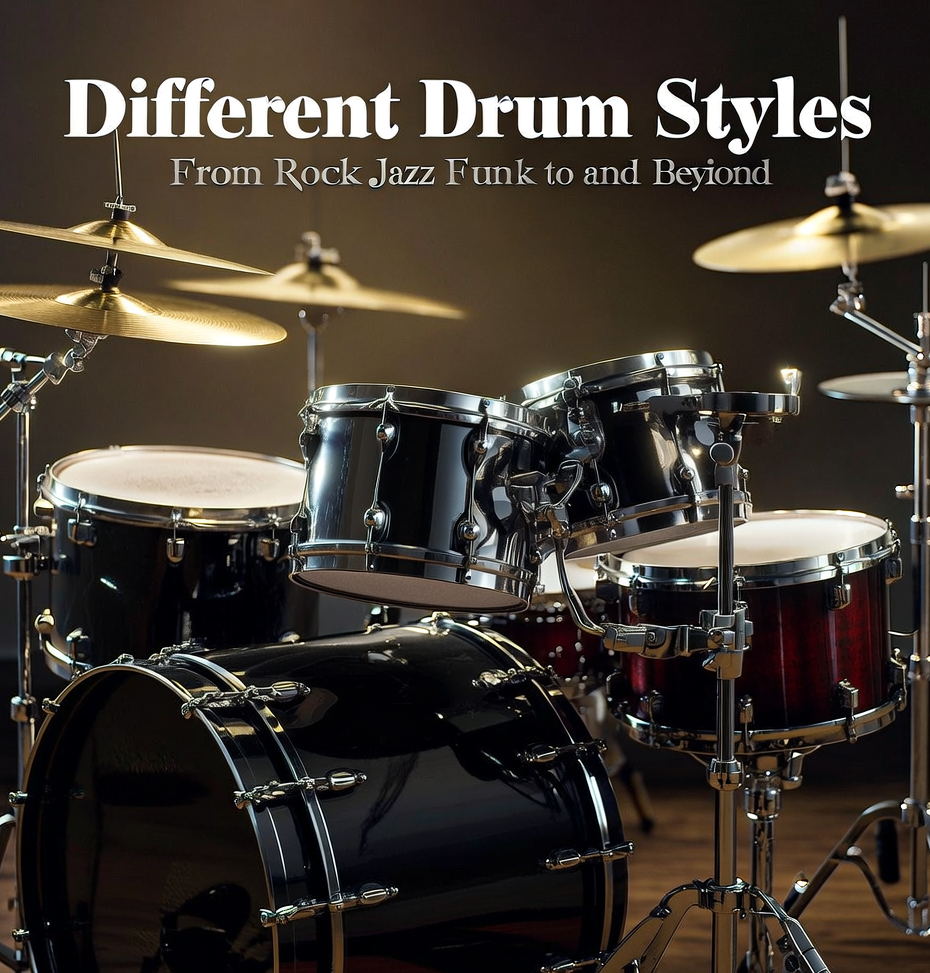
Different Drum Styles | From Rock and Jazz to Funk and Beyond
Drumming forms the heartbeat of music, yet that heartbeat constantly evolves. As music shifts across genres, the drum takes on new roles and personalities. It drives rock with power, speaks in the swing of jazz, locks into the groove of funk, and expands through experimental global rhythms. Because of this evolution, drumming stands out as one of the most expressive musical languages. Understanding different drum styles goes beyond technique. It reveals culture, emotion, and musical storytelling.
As one style leads naturally into another, a drummer’s sense of rhythm begins to change. Each genre shapes how drummers listen, move, and respond to music. Rock builds drive and confidence. Jazz sharpens interaction and control. Funk strengthens precision and feel. Global rhythms challenge familiar ideas of time. By exploring different drum styles, drummers gain awareness and versatility. Today, online music learning platforms like The Mystic Keys make this journey smoother and more accessible, offering structured learning without limits of place or rigid systems.
With this groundwork in place, we can now look closely at the drum styles that continue to shape modern music and inspire new generations.
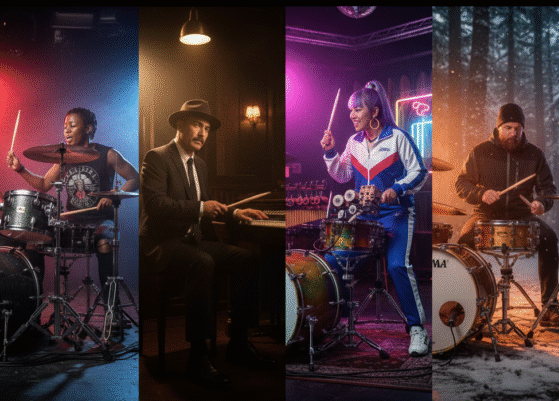
Different Drum Styles in Rock | Power, Precision, and Presence
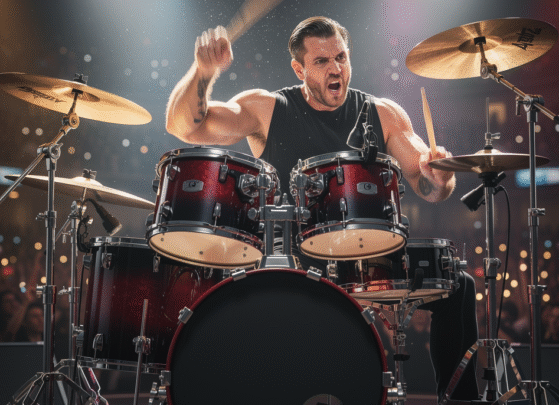
Many drummers begin their musical journey with rock, and that starting point makes sense. Rock drumming delivers immediate energy and impact, pulling listeners in from the very first beat. It grabs attention, builds momentum, and moves crowds. At its core, the style depends on strong backbeats, a steady tempo, and a driving pulse that keeps the music pushing forward.
As that pulse grows louder and more confident, the drummer’s role naturally expands with it. Instead of simply keeping time, rock drummers step into the spotlight and shape the band’s overall energy. The kick drum locks tightly with the bass guitar, the snare cuts through on beats two and four, and cymbals add emphasis and drama. Over time, this approach has continued to evolve, giving rise to many substyles—from the raw, stripped-down feel of classic rock to the technical intensity of progressive and metal drumming.
However, as rock drumming becomes more powerful, control becomes just as essential. Skilled drummers learn when to push hard and when to pull back, balancing force with restraint. To develop this balance, many modern players rely on guided lessons and focused practice. Many online Platform support this process by teaching rock grooves within a clear musical context, helping drummers play with purpose rather than excess.
Different Drum Styles in Jazz | Conversation, Swing, and Subtlety
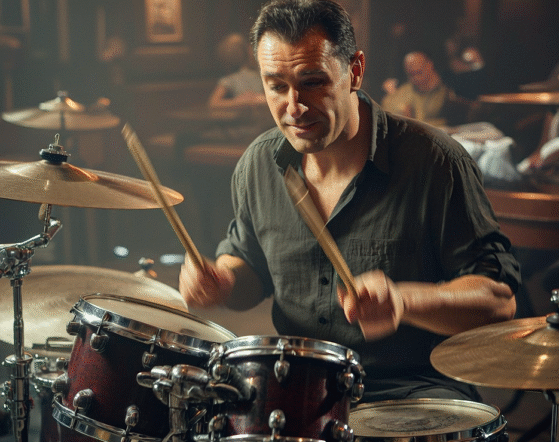
If rock drumming is about declaration, jazz drumming is about conversation. Jazz drummers don’t dominate the music; they interact with it. Every stroke responds to something—a melody, a bass line, a soloist’s phrasing. This makes jazz one of the most intellectually demanding drum styles.
The defining feature of jazz drumming is swing, a rhythmic feel that cannot be fully captured on paper. Ride cymbal patterns form the backbone, while the snare and bass drum add spontaneous accents, often referred to as “comping.” Dynamics play a crucial role; volume shifts are subtle but expressive, allowing the drummer to shape the emotional contour of a performance.
Jazz also demands deep listening skills. A jazz drummer must be fully present, adapting in real time as the music unfolds. This level of sensitivity is often developed through guided listening exercises, transcription, and stylistic breakdowns—methods that online music learning platforms increasingly incorporate into their jazz curriculum to help students internalize feel, not just technique.
Different Drum Styles in Funk | Groove, Syncopation, and Control
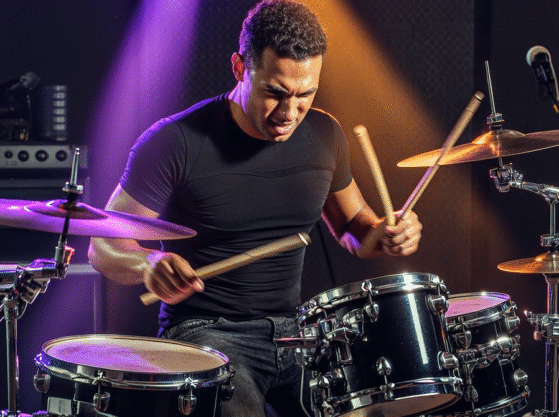
As drumming moves away from sheer volume and into feel, funk takes center stage. Funk drumming turns rhythm into something physical and impossible to ignore. Unlike rock, which often prioritizes power, or jazz, which thrives on fluid interaction, funk focuses on groove above all else. The rhythms stay tight, precise, and deeply syncopated. Every note carries intention, and just as importantly, every moment of silence adds weight to the groove.
Within this framework, the drummer becomes both the architect and the enforcer of time. Funk drummers build grooves carefully, layering ghost notes on the snare, weaving intricate hi-hat patterns, and placing syncopated kick drum accents with purpose. As a result, the rhythm feels elastic and alive. While funk may sound simple on the surface, it challenges drummers at a deeper level. Playing fewer notes with clarity, control, and consistency often proves far more demanding than playing loudly or fast.
Because of this emphasis on feel and precision, funk drumming has shaped a wide range of modern genres. Its influence extends through hip-hop, R&B, pop, and neo-soul, where groove remains central. To develop this level of control, many drummers seek structured, groove-focused learning environments that prioritize repetition, tempo discipline, and feel training. Platforms like The Mystic Keys support this process by helping learners understand not only how to play funk patterns, but also why those grooves connect so strongly with listeners.
Drum Beyond the Mainstream | Latin, Afro, and World Rhythms
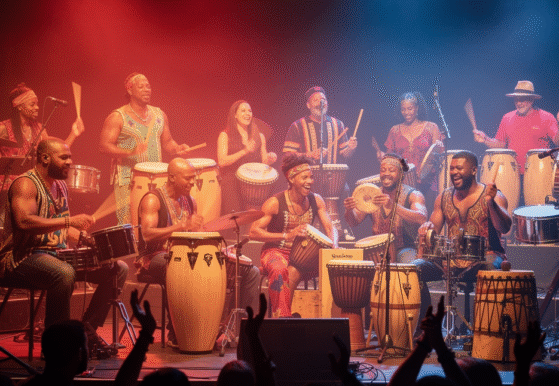
To truly understand different drum styles, drummers must eventually move beyond Western popular music. Once they explore rock, jazz, and funk, many discover that world drumming traditions open up entirely new ways of thinking about rhythm. Latin, Afro-Cuban, African, and other global styles introduce patterns and concepts that challenge familiar notions of time, structure, and groove, inviting drummers to rethink the way they approach rhythm entirely.
In these traditions, rhythm rarely follows a straight path. Instead, it moves in cycles, overlaps, and interlocking layers. These patterns create complex polyrhythms, where no single instrument dominates, and the interplay itself becomes the music. In this context, the drum serves a dual purpose: it provides both musical foundation and cultural expression. Across samba, bossa nova, clave-based Afro-Cuban rhythms, and West African drumming traditions, the drum carries stories, rituals, and celebrations, and at the same time, these rhythms have profoundly influenced jazz, funk, and even modern pop.
Exploring these rhythms transforms a drummer’s perspective. Exposure to world styles not only expands technical skill but also strengthens coordination, timing, and musical intuition. However, learning these patterns requires more than mimicry; it demands a deep understanding of their cultural and musical context. Fortunately, online music learning platforms like The Mystic Keys bridge this gap, providing structured world rhythm modules that guide students to study these traditions thoughtfully, practice them effectively, and connect with their cultural roots—even from a digital classroom.
Drum in the Modern Era | Fusion, Electronic, and Experimental Approaches
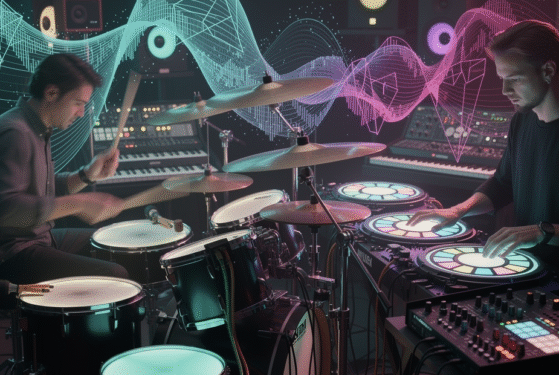
Today’s drummers live in an era where genres blur and styles constantly collide, creating exciting new possibilities for rhythm and expression. As musicians navigate this evolving landscape, modern drumming increasingly merges acoustic technique with electronic elements, blending the organic feel of live performance with the precision and versatility of digital tools. In this context, fusion styles emerge naturally, drawing simultaneously from jazz, rock, funk, and world music, and challenging drummers to expand both their technical skills and creative adaptability.
This evolution also leads seamlessly into electronic drumming, which has reshaped how rhythm is composed, performed, and perceived. Hybrid kits, sample pads, and loop-based setups force drummers to think like producers as well as performers. They must maintain exact timing, layer textures thoughtfully, and push creativity beyond the limits of traditional sticks and skins. In this way, contemporary drumming builds on the foundations of past styles while opening entirely new avenues for musical exploration.
Because of this complexity, mastering modern drumming requires learning methods that are flexible, interactive, and self-paced. Online platforms like The Mystic Keys meet this need by bridging traditional drumming techniques with contemporary musical practices. Through structured lessons that combine theory, technique, and creative application, these platforms guide drummers to stay versatile, expressive, and relevant, allowing them to navigate the constantly shifting landscape of today’s music with confidence.
Why Exploring Different Drum Styles Matters
Studying different drum styles does not mean leaving your favorite genre behind—it means enriching it. Exploring new styles gives drummers fresh skills and insights to bring back to their music. A rock drummer who studies jazz adds subtlety to powerful grooves. A funk drummer who learns world rhythms develops tighter timing and deeper feel. A modern drummer experimenting with electronic styles blends acoustic skill with digital precision, becoming more versatile and creative.
Each style teaches something unique: discipline, freedom, precision, or expression. Together, they form a complete rhythmic education. Online platforms like The Mystic Keys make this exploration easier than ever, offering structured lessons, guided exercises, and real musical examples to build skill and understanding.
Drumming is a lifelong journey. The more styles you explore, the more fluent your musical voice becomes. Whether you drive a thunderous rock beat, whisper through a jazz brush pattern, or lock into a tight funk groove, every rhythm tells a story—and every drummer has countless stories waiting to be played.
For more information and exciting resources about learning music, visit our website at The Mystic Keys. For more music content and exciting offers follow us on
Facebook, Instagram, YouTube, LinkedIn, Twitter, Pinterest, and Threads.