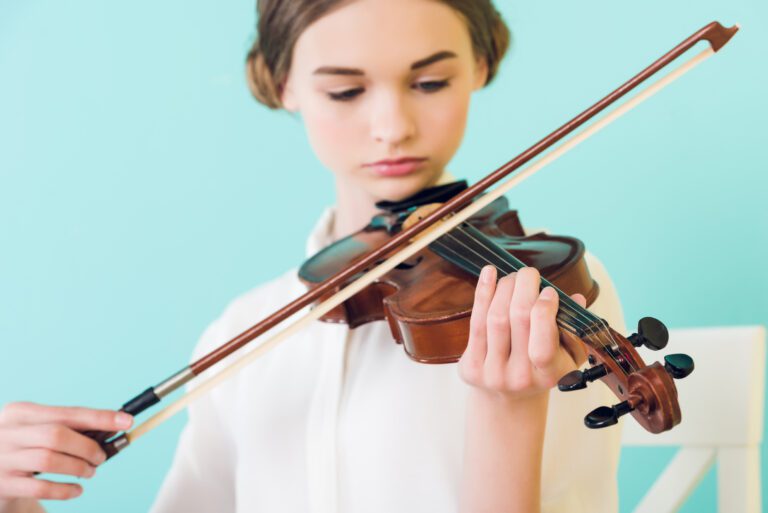
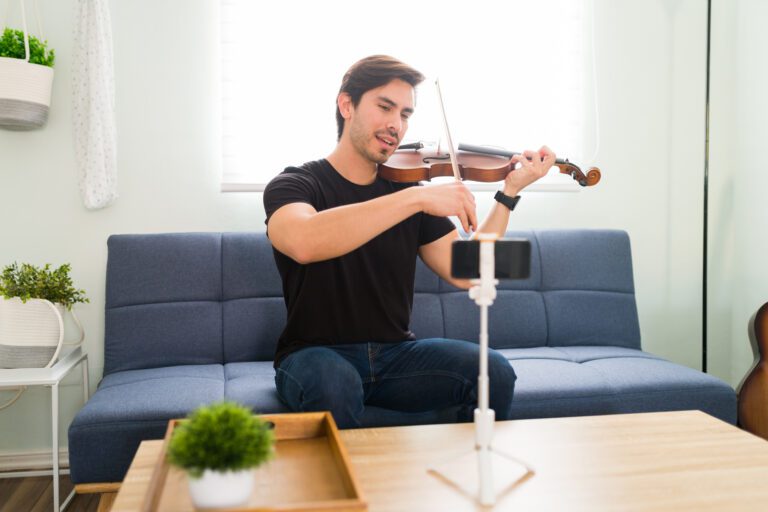
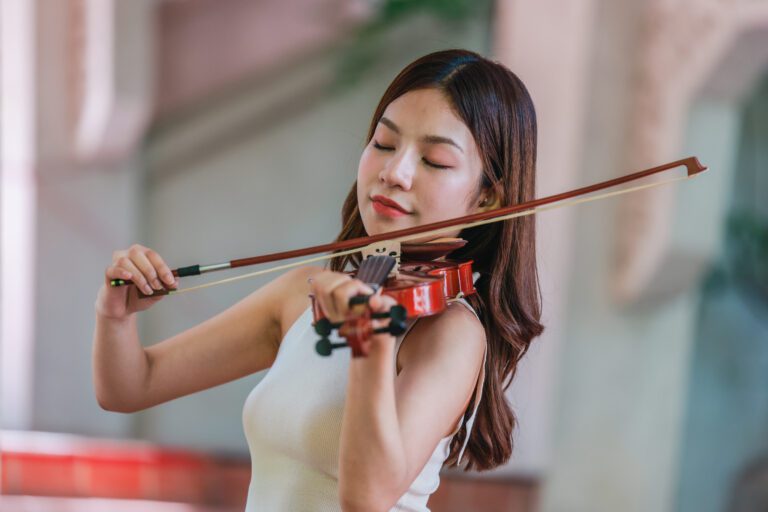
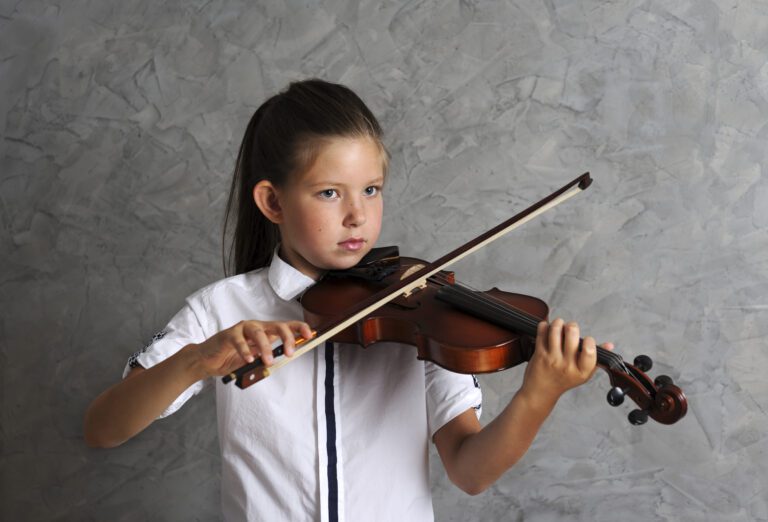
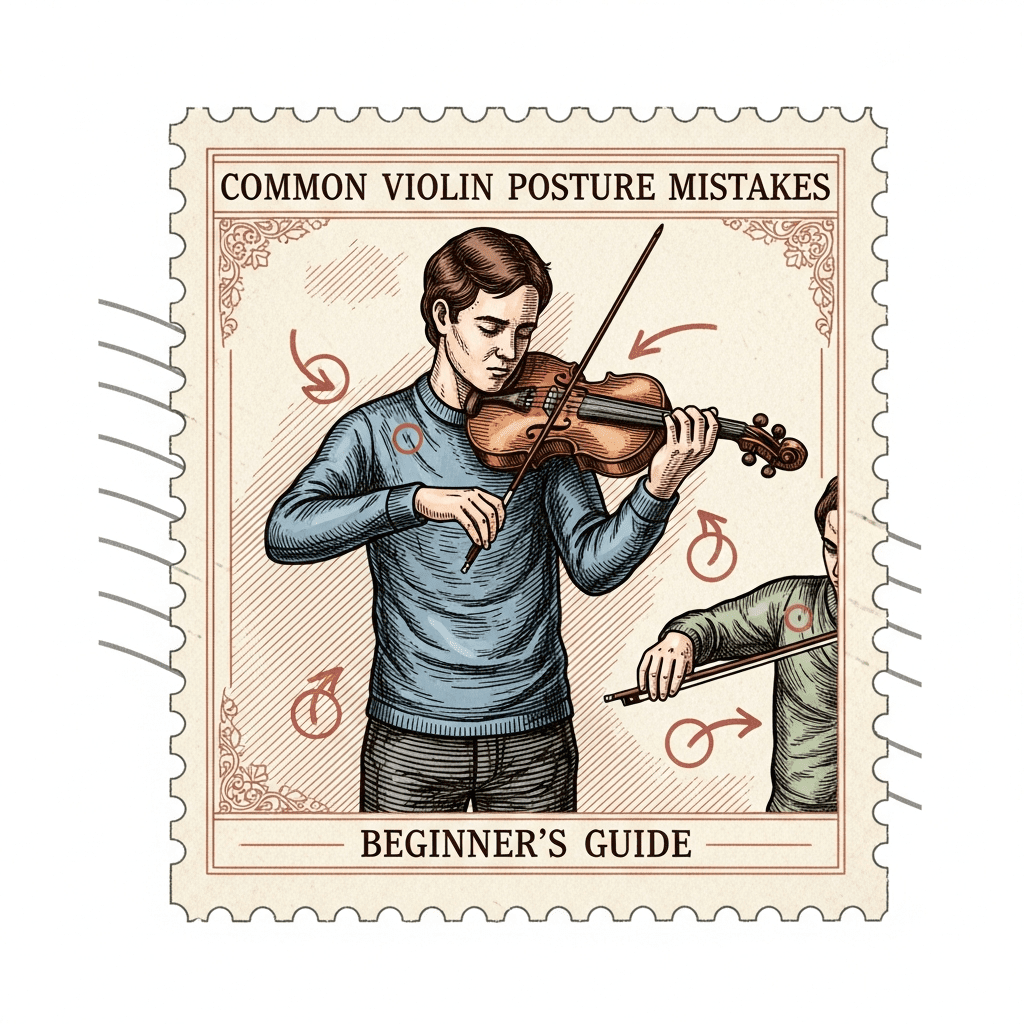
Learning the violin is an exciting journey, but many beginners unknowingly develop habits that slow their progress. Among these, posture plays one of the most critical roles. Common violin posture mistakes beginners make can affect tone, technique, confidence, and even physical health. When posture is correct from the beginning, students experience better comfort, faster improvement, and a more enjoyable learning process.
Many learners focus only on finger placement or bowing, but the foundation of violin playing starts with body alignment. Poor posture can lead to tension, discomfort, and frustration, which often discourages beginners from continuing. Understanding these mistakes and correcting them early ensures long-term success and prevents injury.
This guide explains the most common posture errors, why they happen, and how beginners can build strong and healthy habits.
Why Posture Is the Foundation of Violin Playing
Before discussing common violin posture mistakes beginners make, it is important to understand why posture matters. The violin is held in an asymmetrical position, which requires balance and control.
Good posture supports:
Clear tone production
Accurate finger placement
Smooth bow movement
Relaxed muscles
Long practice sessions without pain
Without proper posture, even talented students struggle to achieve consistency.
Mistake 1 | Raising the Shoulder Too Much
One of the most common errors is lifting the shoulder to hold the violin. Beginners often do this out of fear that the instrument will fall.
This leads to:
Neck and shoulder tension
Limited bow movement
Poor sound quality
Correction strategies include:
Using a proper shoulder rest
Relaxing the shoulder
Supporting the violin with the jaw and collarbone
Mistake 2: Gripping the Violin Too Tightly
Many beginners hold the instrument with excessive pressure. This creates tension in the neck and jaw.
Early correction ensures safe and enjoyable learning.
Building Good Habits from the Beginning
Consistent attention to posture creates:
Strong technical foundations
Better musical expression
Efficient practice
Faster progress
These benefits last throughout a musician’s journey.
The Importance of Personalized Learning
Every student’s body is different.
Adaptive teaching helps:
Adjust posture
Improve comfort
Enhance performance
This is why structured guidance is essential.
Long-Term Benefits of Proper Violin Posture
Students who avoid common violin posture mistakes beginners make develop:
Healthy technique
Musical confidence
Physical comfort
Advanced skills
These qualities support lifelong learning.
Conclusion
Understanding common violin posture mistakes beginners make is essential for building a strong foundation in violin playing. Correct posture improves comfort, tone, confidence, and long-term progress. Beginners who develop healthy habits early experience a more enjoyable and rewarding musical journey.
At The Mystic Keys, students receive personalized instruction, structured guidance, and real-time feedback to ensure proper posture and technique. For those beginning their musical journey, Violin Lessons Online provide the flexibility and expert support needed for consistent and confident growth.
For more information and exciting resources about learning music, visit our website at The Mystic Keys. For more music content and exciting offers follow us on