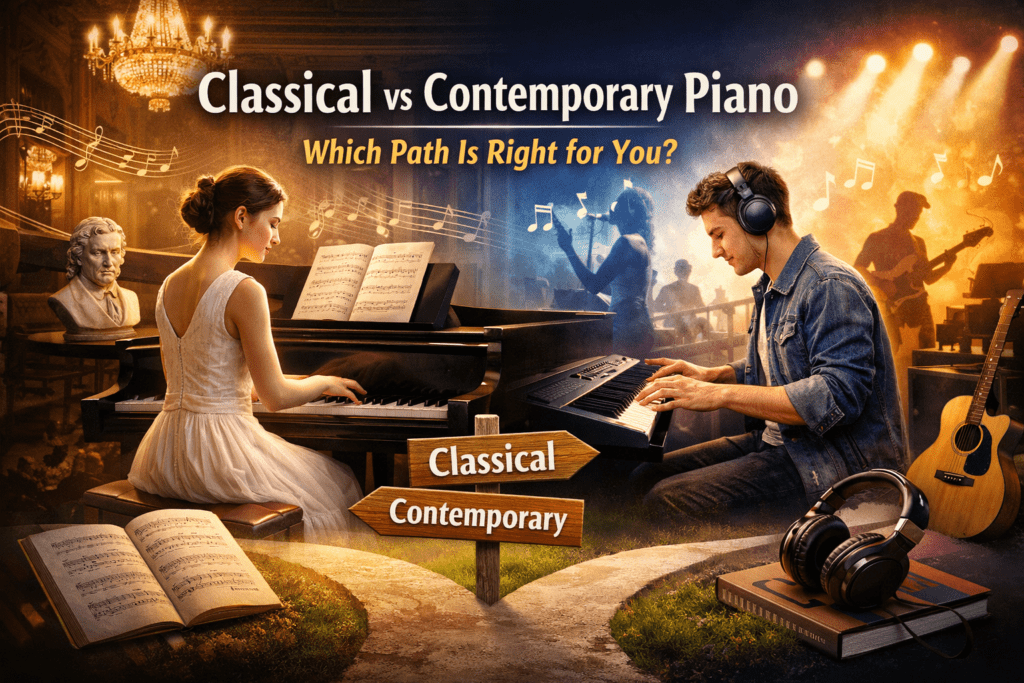
Classical vs Contemporary Piano: Which Path Is Right for You?
Learning the piano is an exciting journey. One common question many students, parents, and even beginner teachers ask is about Classical vs Contemporary Piano — which path is the right choice for learning piano?
Both styles are beautiful and powerful, but they offer different learning experiences, techniques, and musical goals. Understanding the difference between classical vs contemporary piano can help students choose a learning style that matches their interests, goals, and musical preferences.
In this guide, we will clearly explain classical vs contemporary piano, the benefits of each learning path, and how students, parents, and teachers can decide which piano style is the best choice.
What Is Classical Piano?

Classical piano refers to the traditional style of piano learning based on Western classical music traditions. Students learn music written by famous composers from the Baroque, Classical, Romantic, and Modern periods.
Some well-known classical composers include:
Classical piano focuses on reading sheet music accurately and performing pieces exactly as written.
Key Features of Classical Piano
- Strong music theory foundation
- Reading standard musical notation
- Structured learning progression
- Technical exercises like scales and arpeggios
- Focus on dynamics, articulation, and expression
Students often prepare for formal music exams and structured progress.
Benefits of Learning Classical Piano
1. Strong Technical Foundation
Classical training develops finger strength, control, and precision. Students learn proper hand posture, technique, and discipline.
This foundation helps when learning any other style of music later.
2. Excellent Music Reading Skills
Classical pianists become very comfortable with reading complex sheet music, rhythms, and musical markings.
3. Structured Learning Path
Many students follow recognized piano exam systems such as:
These provide clear progression levels and goals.
4. Develops Musical Discipline
Classical music requires patience, accuracy, and attention to detail. It helps build focus and consistency in practice.
What Is Contemporary Piano?
Contemporary piano focuses on modern music styles such as:
Instead of strictly following classical compositions, contemporary piano allows more creativity, chord playing, and improvisation.
Students often learn to play songs they hear on the radio or streaming platforms.
Key Features of Contemporary Piano
- Learning chords and chord progressions
- Playing by ear
- Improvisation
- Accompaniment patterns
- Rhythm and groove based playing
- Playing modern songs
This approach is often more flexible and creativity driven.
Benefits of Learning Contemporary Piano
1. Learn Popular Songs Quickly
Students can play their favorite songs much earlier in their learning journey.
This keeps motivation high.
2. Improvisation Skills
Contemporary piano encourages creating your own music, experimenting with chords, and improvising.
3. Better for Band or Group Playing
Students who want to play in bands, worship teams, or pop performances benefit from contemporary skills.
4. Ear Training
Many contemporary pianists develop strong listening and ear playing skills.
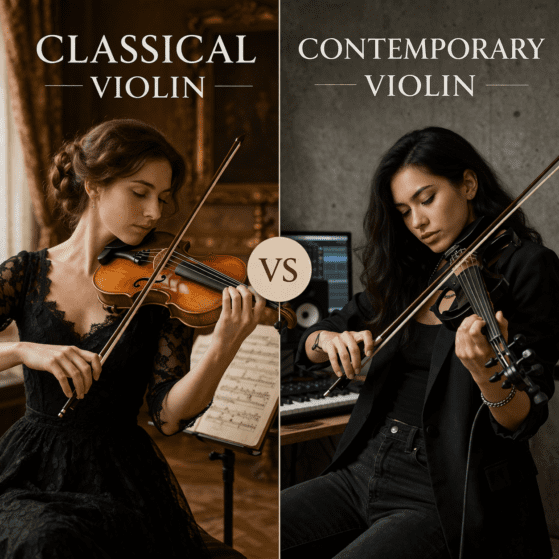
Classical vs Contemporary Piano: Key Differences
| Feature | Classical Piano | Contemporary Piano |
|---|---|---|
| Learning Style | Structured and traditional | Flexible and creative |
| Music Reading | Strong focus on sheet music | Often chord charts and lead sheets |
| Improvisation | Rare | Very common |
| Technique | Highly technical | Practical and song-focused |
| Music Style | Classical compositions | Pop, jazz, film, worship |
| Performance | Solo recital style | Band or solo performance |
Which Piano Path Is Best for Children?
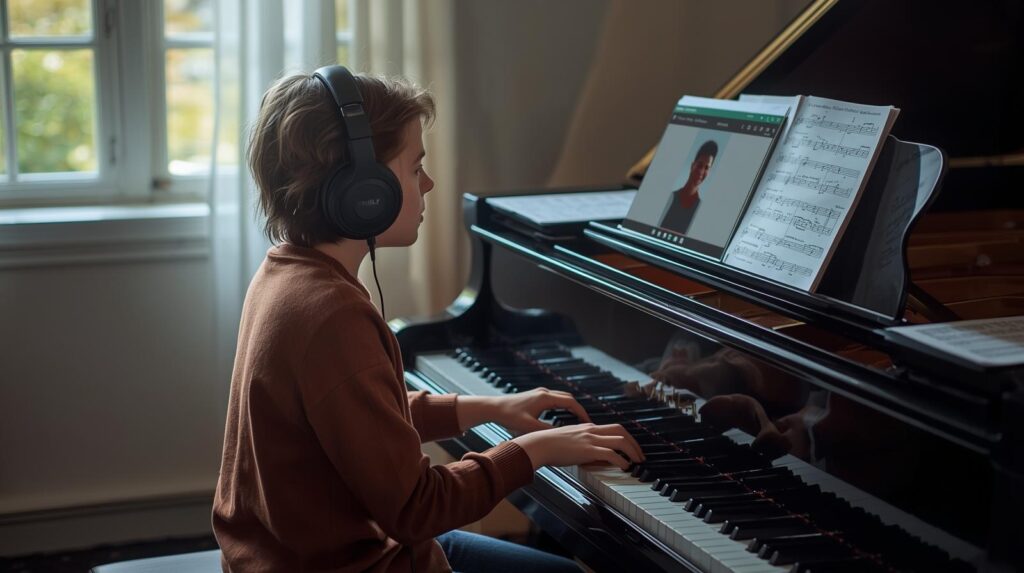
For young beginners, classical training is often recommended first because it builds a strong technical and theoretical foundation.
However, many teachers today combine both approaches to keep lessons fun and engaging.
A balanced learning approach might include:
Classical exercises and technique
Contemporary songs for enjoyment
Ear training
Basic improvisation
This helps children stay motivated while learning important fundamentals.
Which Path Is Best for Teenagers and Adults?
Older beginners often prefer contemporary piano because they want to quickly learn songs they enjoy.
However, learning some classical basics is still helpful for developing technique and control.
The best approach is usually a hybrid learning method that includes both styles.
Can You Learn Both Styles?
Yes — and many modern piano programs encourage it.
A well-rounded pianist often studies:
Classical technique
Pop and contemporary songs
Chord progressions
Improvisation
Ear training
Learning both styles creates a complete musician.
How Teachers Can Guide Students
Teachers should consider several factors when guiding students:
Student’s musical interests
Age and learning style
Long-term musical goals
Motivation level
Performance opportunities
A good teacher adapts the learning path so that students stay inspired while developing strong musical skills.
Tips for Parents Choosing a Piano Learning Path
If your child is starting piano lessons, consider the following:
Ask what music your child enjoys listening to
Choose a teacher who can teach both classical and modern styles
Encourage regular practice but keep learning fun
Allow your child to explore different music styles
The goal is not just technical skill, but a lifelong love for music.
There is no single “correct” path in piano learning.
Both classical and contemporary piano offer unique benefits and musical experiences.
If you want:
Strong technical foundation → Classical Piano
Creative and modern music playing → Contemporary Piano
However, the best modern learning approach is often a combination of both styles. This balanced method allows students to develop strong technique, creativity, musical expression, and confidence at the piano.
For students who want structured guidance and expert support, Piano Lessons Online can be a great way to learn both classical fundamentals and contemporary playing styles from experienced teachers. Online lessons provide flexibility, personalized instruction, and the opportunity to learn piano from the comfort of your home.
With the right teacher, consistent practice, and the right learning path, every student can enjoy a rewarding and inspiring piano learning journey.
Intersted in learning music with us? Register now
For more information and exciting resources about learning music, visit our website at The Mystic Keys. For more music content and exciting offers follow us on
Facebook, Instagram, YouTube, LinkedIn, Twitter, Pinterest, and Threads.