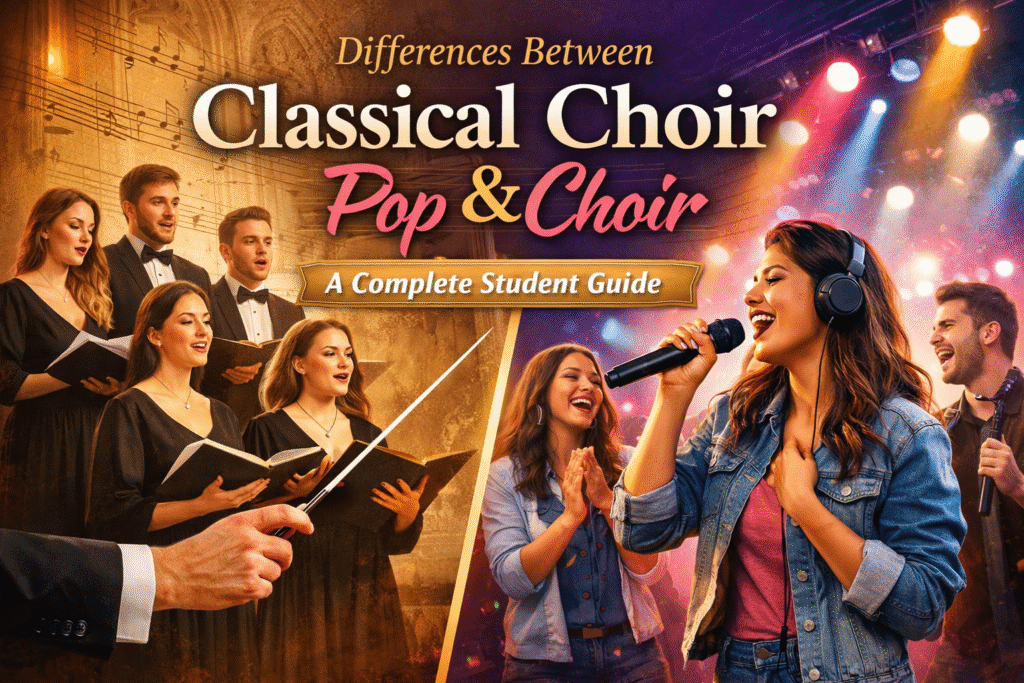
Differences Between Classical Choir and Pop Choir
Understanding the differences between Classical Choir and Pop Choir is important for students, parents, and anyone interested in group singing. Choir singing is one of the most powerful and beautiful ways to experience music. Singing together builds discipline, confidence, listening skills, and emotional connection—but not all choirs follow the same style or approach.
Two of the most popular choir types today are Classical Choirs and Pop Choirs. While both involve singing as a group, they are very different in terms of vocal technique, musical training, performance style, and overall purpose.
This blog will help you clearly understand the differences between Classical Choir and Pop Choir, even if you are a complete beginner or a student with no prior music knowledge.
What Is a Classical Choir?
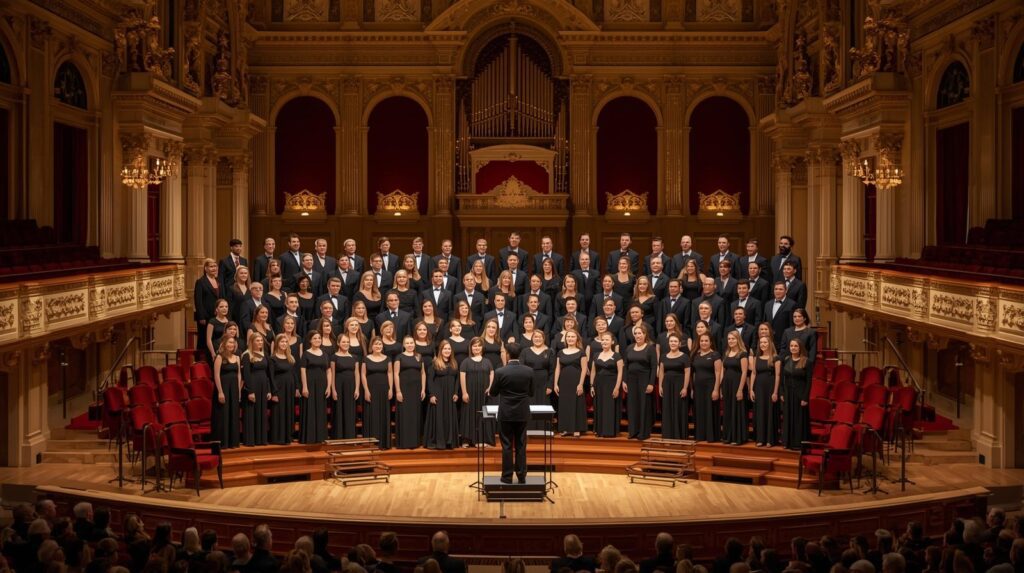
A Classical Choir focuses on traditional and formal music styles that have been developed over centuries. These choirs usually perform music written by famous classical composers and follow strict musical rules.
Key Characteristics of a Classical Choir
1.Music Style
Classical choirs sing:
Western classical music
Sacred music (church music)
Choral works by composers like Bach, Mozart, Beethoven, Handel, and Brahms
The music is usually written in sheet music and follows fixed structures.
2. Vocal Technique
Classical choir singers are trained to:
Use proper breath control
Sing with pure tone and correct placement
Avoid microphones and rely on natural voice projection
This technique helps singers develop strong, healthy voices.
3. Language and Lyrics
Classical choir songs are often sung in:
Students also learn pronunciation and meaning of these languages.
4. Discipline and Structure
Classical choirs follow:
A conductor strictly
Written scores
Fixed rehearsal methods
Precision and accuracy are very important.
What Is a Pop Choir?

A Pop Choir focuses on modern, popular, and contemporary music. These choirs are more relaxed, expressive, and flexible in style.
Key Characteristics of a Pop Choir
1. Music Style
Pop choirs sing:
Pop songs
Rock, jazz, gospel, musical theatre
Film songs and contemporary hits
Songs are often familiar and relatable to students.
2. Vocal Technique
Pop choir singers:
Use microphones
Sing in natural, speech-like voices
Use stylistic effects like slides, riffs, and vocal runs
Expression and emotion are more important than perfection.
3. Language and Lyrics
Pop choirs mostly sing in:
English
Regional or popular languages
Lyrics are easy to understand and emotionally engaging.
4. Freedom and Creativity
Pop choirs encourage:
Movement and choreography
Clapping and body rhythm
Personal style and stage presence
It feels energetic and fun.
Main Differences Between Classical Choir and Pop Choir
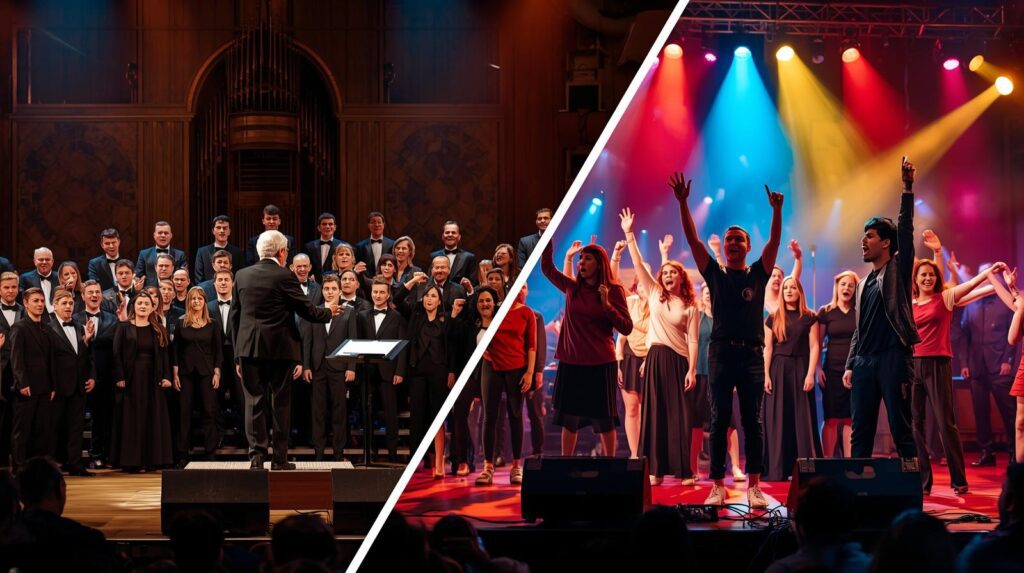
1. Music Style
Classical Choir: Traditional, formal, structured music
Pop Choir: Modern, casual, and popular music
2. Training Method
Classical Choir: Strong focus on technique, reading music, discipline
Pop Choir: Focus on listening, expression, rhythm, and performance
3. Use of Microphones
Classical Choir: Usually no microphones
Pop Choir: Microphones are commonly used
4. Performance Style
Classical Choir: Standing still, formal posture
Pop Choir: Movement, energy, interaction with audience
5. Learning Approach
Classical Choir: Sheet music and theory-based learning
Pop Choir: Learning by ear, recordings, and repetition
Which Choir Is Better for Students?

There is no “better” choir — it depends on the student’s goals.
Classical Choir Is Best If:
You want strong vocal foundations
You plan to take international music exams
You are interested in music theory and classical training
Pop Choir Is Best If:
You enjoy modern songs
You want confidence and stage presence
You prefer fun, energetic group singing
Many professional singers actually start with classical training and later explore pop music.
Can Students Learn Both?
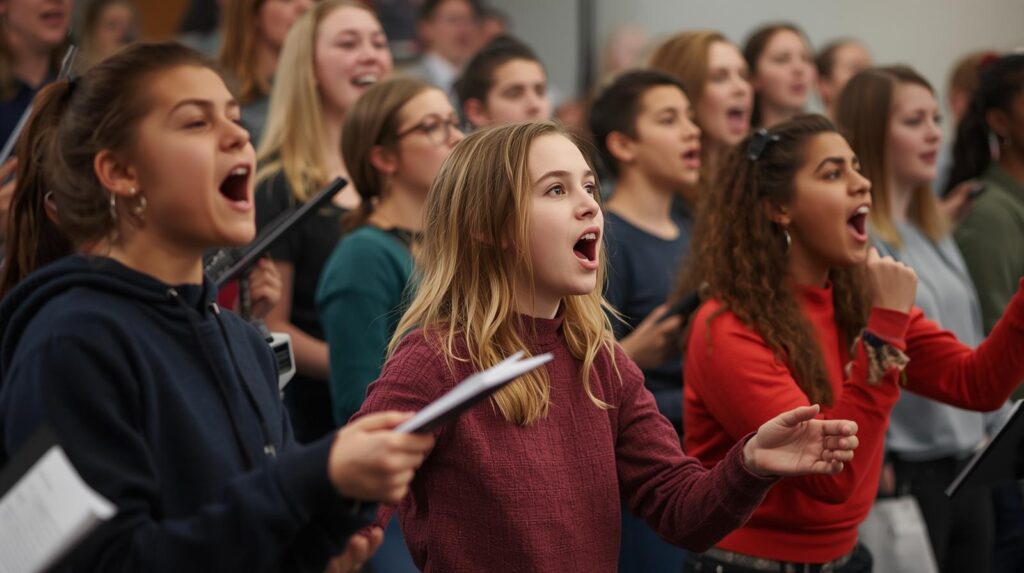
Yes — and it’s highly recommended.
Learning Classical Choir builds:
Vocal control
Discipline
Musical accuracy
Learning Pop Choir builds:
Confidence
Expression
Performance skills
Together, they create a complete musician.
Understanding the difference between Classical Choir and Pop Choir helps students, parents, and music lovers make the right choice for their musical journey.
Classical Choir develops strong musical foundations, teaching sight-reading, vocal techniques, and harmony skills.
Pop Choir builds confidence and enjoyment, helping singers perform with expression, stage presence, and teamwork.
Both paths are valuable and meaningful, and both offer lifelong benefits. No matter which one you choose, choir singing teaches teamwork, listening, discipline, and emotional expression — skills that last a lifetime.
Ready to start your journey? Join our Choir Training Workshop and experience hands-on coaching, fun exercises, and expert guidance that will take your singing to the next level. Click here to enroll now and secure your spot!
Intersted in learning music with us? Register now
For more information and exciting resources about learning music, visit our website at The Mystic Keys. For more music content and exciting offers follow us on
Facebook, Instagram, YouTube, LinkedIn, Twitter, Pinterest, and Threads.