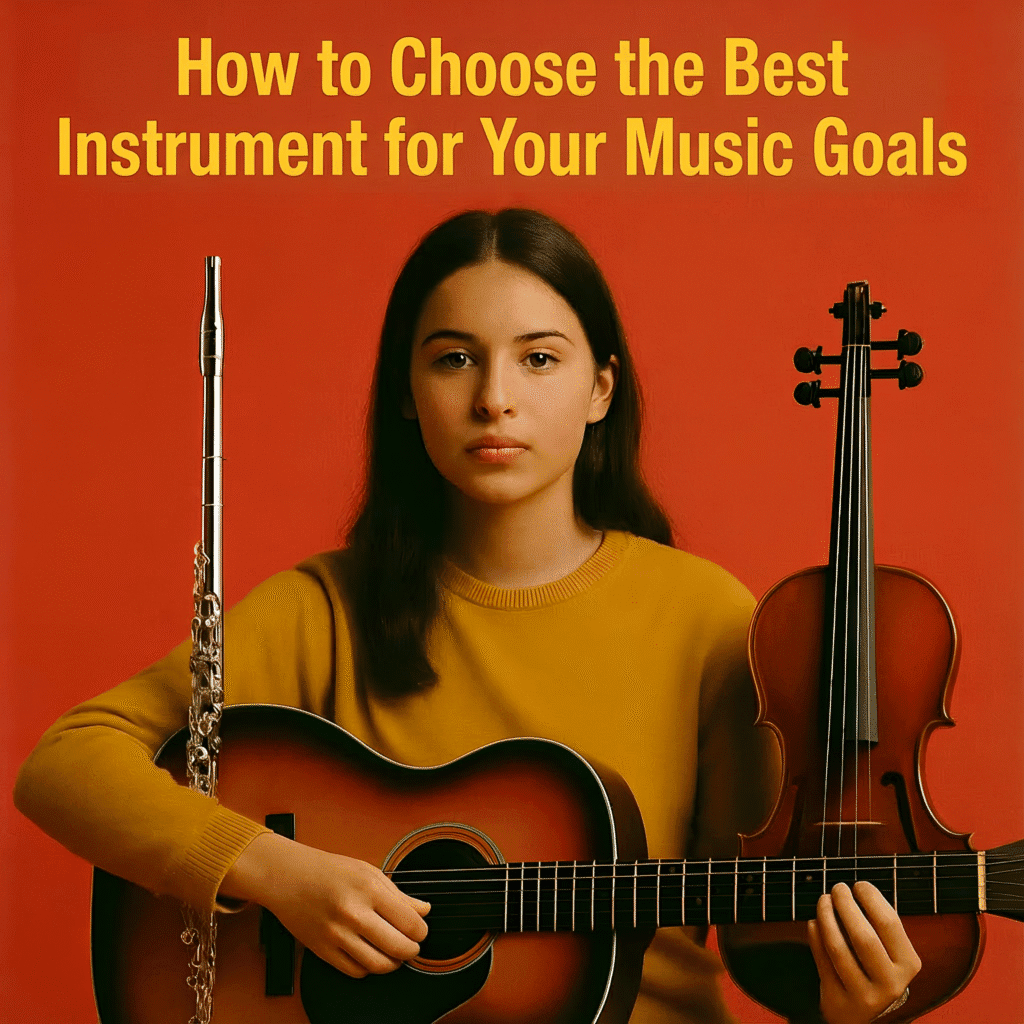
How to Choose the Best Instrument for Your Music Goals
When it comes to choosing the best instrument, the decision can shape your entire musical path. The right instrument influences your motivation, confidence, and the style of music you eventually enjoy. Whether you dream of performing live, composing, joining a band, or simply learning for fun, understanding how to select the instrument that truly aligns with your music goals is essential.
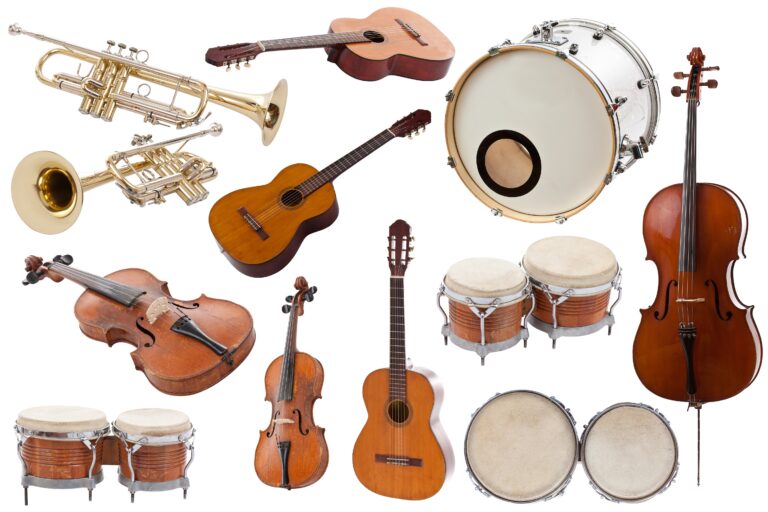
1. Why Choosing the Best Instrument Is Important
Your goals determine everything. Before choosing the best instrument, ask yourself:
✔ Do you want to perform live?
Some instruments shine on stage — like vocals, guitar, drums, or saxophone.
✔ Do you want to compose or produce music?
Piano/keyboard is ideal because it supports harmony, melody, and rhythm.
✔ Do you want to join a band or choir?
Guitar, bass, drums, violin, and vocals are highly in demand.
✔ Do you want a stress-relief hobby?
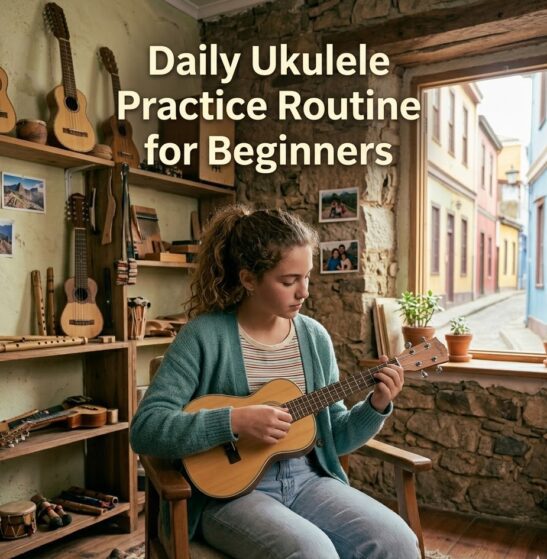
Ukulele, kalimba, flute, and keyboard are easy and calming options.
✔ Do you want a long-term professional career?
Consider piano, violin, drums, classical guitar, or vocals because they offer structured learning paths and global opportunities.
Understanding this helps you align your goals with the right choice — the essence of choosing the best instrument.
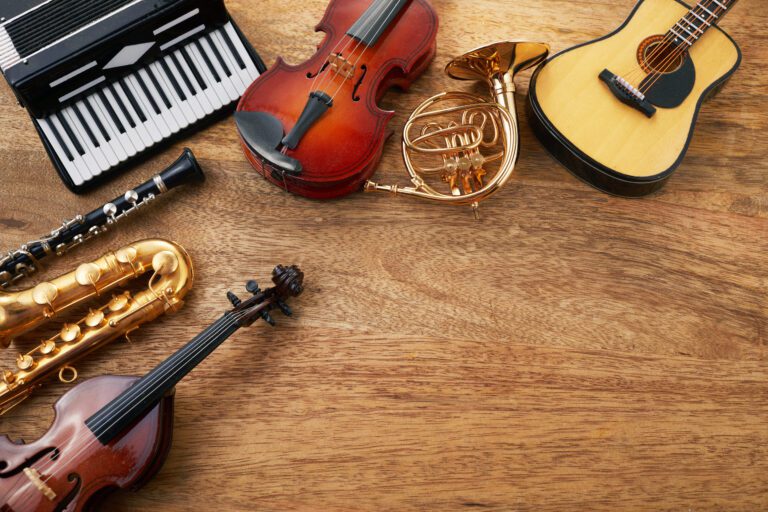
2. Personality and Choosing the Best Instrument
Your personality is a major part of choosing the best instrument. Different instruments suit different types of people.
🎤 If you’re expressive and confident → Vocal Training
Vocals suit people who love storytelling, emotion, and performance.
🎸 If you’re creative and spontaneous → Guitar or Ukulele
Perfect for songwriters, performers, and students who love flexibility.
🎹 If you love structure and musical theory → Piano/Keyboard
Ideal for composition, reading music, and developing musical foundation.
🥁 If you’re energetic and rhythmic → Drums
Perfect for people with high energy and strong rhythm.
🎻 If you’re patient and detail-oriented → Violin
A great choice for classical, orchestral, and advanced technical development.
Choosing an instrument that fits your personality ensures long-term motivation.
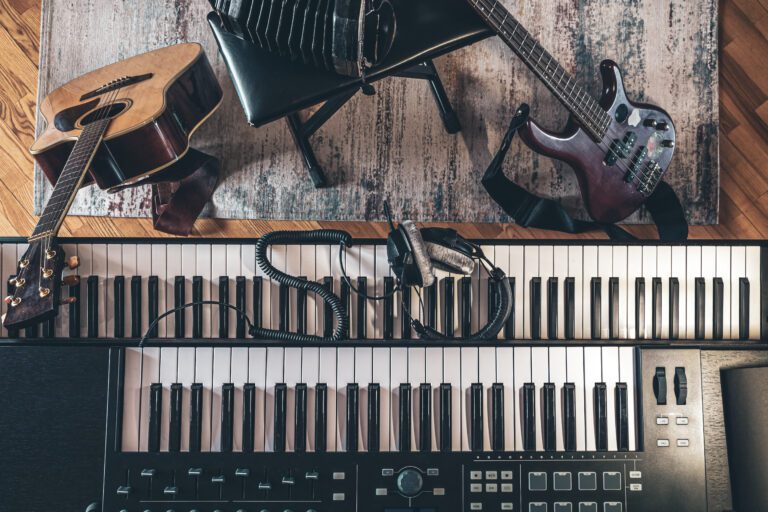
3. Considering Budget When Choosing the Best Instrument for Your Music Goals
Not every instrument fits every body type. Consider:
Hand Size
Small hands? Ukulele, flute, violin.
Larger hands? Piano, guitar, bass.
Breath Capacity
If breath control is difficult → prefer piano, guitar, or drums.
If strong breathing comes naturally → try saxophone, flute, or clarinet.
Posture Needs
Back issues? Avoid heavy instruments like tuba or drums.
Choose lightweight options like violin, flute, or ukulele.
Physical comfort ensures ease while choosing the best instrument.
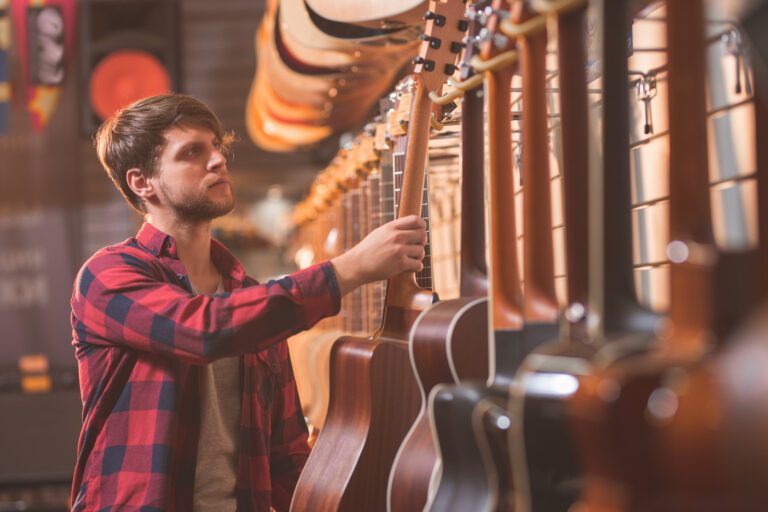
4. Understanding Music Styles to Choose the Best Instrument for Your Music Goals
Your favorite music style is one of the biggest factors.
🎶 If you love pop → Vocals, keyboard, guitar
🎸 If you love rock → Electric guitar, bass, drums
🎷 If you love jazz → Saxophone, piano, double bass
🎻 If you love classical → Violin, piano, cello
🇮🇳 If you love Indian music → Harmonium, tabla, flute, sitar
🎼 If you love film scoring → Piano, orchestral instruments
🎤 If you love worship/gospel → Keyboard, drums, vocals
Your instrument should reflect your heart.

5. Budget Considerations When Choosing the Best Instrument
Budget makes a big difference.
💰 Low-budget options:
Ukulele, recorder, kalimba, basic keyboard.
💰💰 Mid-budget options:
Acoustic guitar, digital piano, violin starter kits.
💰💰💰 High-budget options:
Drum kits, saxophones, full-size pianos.
Also consider:
maintenance
accessories
tuning requirements
long-term upgrade needs
Choosing the best instrument includes understanding total cost.
6. Time Commitment Required for Each Instrument
Some instruments demand daily practice while others are flexible.
🕒 Easier time commitments (20–30 min/day):
Ukulele, keyboard, guitar (beginner), kalimba.
🕒 Moderate time (30–45 min/day):
Vocals, acoustic guitar, flute.
🕒 High time commitment (1+ hour/day):
Violin, piano (advanced), drums, saxophone.
Choose an instrument that fits your lifestyle.
7. Trying Instruments Before Choosing the Best One
Always test before finalizing.
🎧 You can try instruments by:
visiting a music school
attending trial classes
using virtual instrument apps
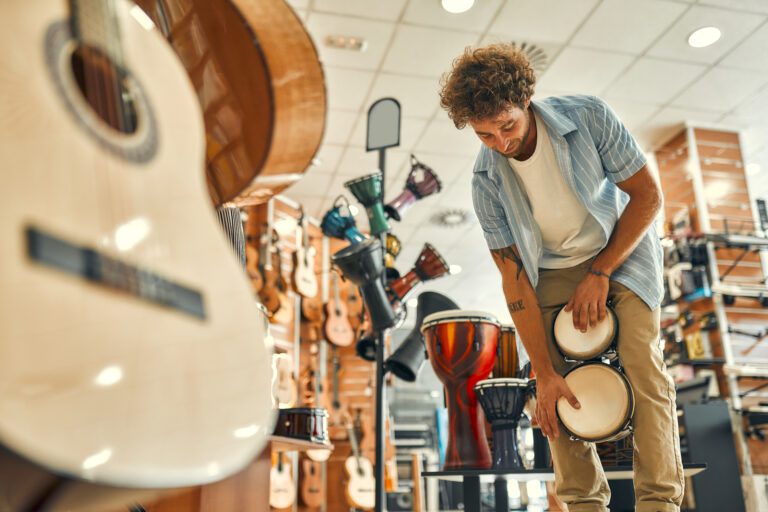
visiting stores and touching instruments
borrowing from friends
renting instruments
listening to professional live performances
Trying helps you avoid choosing the wrong instrument.
8. Age and Comfort While Choosing the Best Instrument
Children (ages 4–8)
Keyboard, ukulele, recorder, violin (⅛ or ¼ size)
Pre-teens (ages 9–12)
Guitar, keyboard, drums, flute
Teenagers
Electric guitar, vocals, drums, violin, piano
Adults
ANY instrument — adults learn faster with discipline
No instrument is “too late” to learn.
9. Choosing the Best Instrument for Career-Oriented Musicians
If you have professional goals:
✔ Piano – essential for composition, exams, and teaching
✔ Vocals – high demand in modern music
✔ Guitar – global opportunities
✔ Violin – strong classical pathways
✔ Drums – required in every live band
✔ Saxophone – niche, high-earning instrument
Professional learners must choose based on long-term growth.
10. Red Flags to Avoid When Choosing the Best Instrument
Avoid:
🚩 choosing based on friends
🚩 choosing only because it “looks cool”
🚩 choosing the cheapest instrument
🚩 choosing without testing
🚩 choosing something too difficult for your level
🚩 choosing something too loud for your home environment
Be smart and intentional.
Conclusion: Choosing the Best Instrument with Confidence
Choosing the best instrument is more than a musical decision — it is an emotional, physical, financial, and long-term commitment. When the instrument aligns with your music goals, personality, and lifestyle, the journey becomes joyful and fulfilling.
Remember:
You don’t choose the instrument.
The right instrument chooses you — when you understand yourself.
Intersted in learning music with us? Register now
For more information and exciting resources about learning music, visit our website at The Mystic Keys. For more music content and exciting offers follow us on
Facebook, Instagram, YouTube, LinkedIn, Twitter, Pinterest, and Threads.