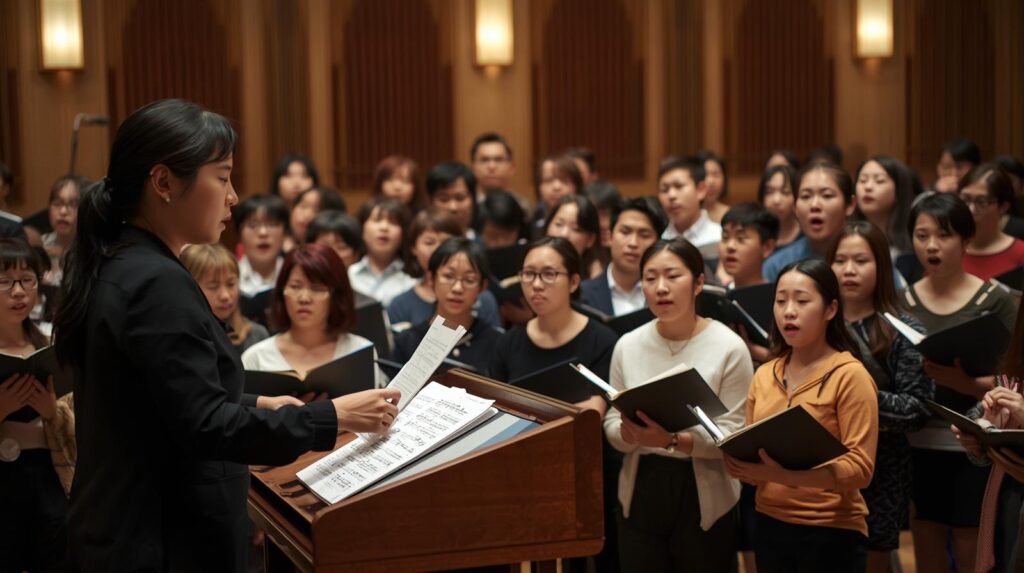
Arranging Pop Songs for Choirs | A Beginner’s Guide
Arranging pop songs for choirs is one of the most exciting skills a music director or arranger can learn. Popular music is instantly relatable, emotionally engaging, and highly adaptable for vocal ensembles of all sizes. Whether you lead a school choir, church choir, or community ensemble, learning how to turn a pop song into a strong choral arrangement can elevate performances and keep singers motivated.
This beginner’s guide to arranging pop songs for choirs will walk you through the essential concepts, tools, and creative decisions needed to create effective, singable, and impactful arrangements.
Why Arrange Pop Songs for Choirs?
Pop songs bring familiarity and freshness to choral repertoire. Choir members often connect more deeply with songs they already love, which improves rehearsal engagement and performance confidence. From contemporary worship settings to school concerts and social media performances, pop choir arrangements are increasingly popular.
Arranging pop music for choirs also helps beginners understand harmony, voice leading, and musical texture in a practical way. Many pop songs are built on simple chord progressions, making them ideal learning material for new arrangers.
Step 1: Choose the Right Pop Song
Selecting the right song is the foundation of a successful choir arrangement. Not every pop song works well for vocal ensembles.
When choosing a song, consider:
A strong, memorable melody
Clear chord progressions
Appropriate lyrics for your choir’s audience
A comfortable vocal range
Emotional impact and message
Songs with repetitive structures, clear verses, choruses, and bridges are usually easier to arrange for beginner choir arrangers.
Step 2: Understand the Original Song Structure
Before arranging, study the original version carefully. Identify:
Chord progression
Melody range
Rhythm and groove
Dynamic changes
Listening actively helps you decide which elements must stay and which can be simplified or reimagined for choral singing.
Step 3: Decide Your Choir Format
Your arrangement should match the voices you are writing for. Common choir formats include:
Unison Choir – Ideal for beginners or children’s choirs
Two-Part Choir (SA or TB) – Great for developing choirs
Three-Part Choir (SAB or SSA) – Flexible and popular in schools
SATB Choir – Standard format for advanced and mixed choirs
Choosing the correct format ensures your pop choir arrangement is practical and enjoyable to sing.
Step 4: Arrange the Melody Effectively
The melody should remain clear and recognizable. In most pop choir arrangements:
Sopranos or upper voices carry the melody
Melody may be shared between sections for variation
Unison singing can be used for impact in choruses
Avoid overcomplicating the melody. Simplicity helps choirs sound confident and unified.
Step 5: Build Harmonies Step by Step
Harmony is what transforms a pop song into a rich choral experience. For beginners, start simple:
Use basic triads based on the chord progression
Add thirds and fifths before experimenting with extensions
Move voices smoothly to avoid awkward jumps
Keep inner parts singable and within range
SATB pop arrangements should focus on balance, ensuring altos and tenors are not overshadowed by soprano-heavy textures.
Step 6: Create Texture and Dynamics
Pop choir arrangements thrive on contrast. Use texture creatively:
Unison verses for intimacy
Full harmony in the chorus for power
Call-and-response sections
Layered entries for dramatic builds
Dynamic markings such as crescendos, drops, and soft endings help bring pop songs to life in a choral setting.
Step 7: Consider Rhythm and Groove
Rhythm is central to pop music. While choirs may not replicate instrumental grooves exactly, you can suggest rhythm through:
Syncopated vocal patterns
Rhythmic syllables or backing vocals
Light vocal percussion or body percussion
Always ensure rhythmic patterns are achievable for your choir’s skill level.
Step 8: Lyrics, Articulation, and Expression
Clear diction is essential in pop choir arrangements. Pay attention to:
Word stress and phrasing
Vowel alignment for blend
Emotional delivery of lyrics
Encourage singers to connect with the story of the song, not just the notes.
Step 9: Rehearsal-Friendly Writing Tips
A good arrangement is easy to rehearse. Beginner-friendly choir arranging tips include:
Repeating harmonic patterns
Avoiding overly complex rhythms
Giving each section moments of interest
Writing clear entrances and endings
This approach saves rehearsal time and improves performance quality.
Common Mistakes to Avoid
When arranging pop songs for choirs, beginners often:
Overcrowd harmonies
Write parts outside comfortable vocal ranges
Ignore breath points
Make inner voices too difficult
Keeping arrangements practical ensures success for both singers and conductors.
Tools and Software for Choir Arranging
Arranging pop songs for choirs is a rewarding creative skill that blends musical knowledge with artistic expression. By starting simple, respecting vocal ranges, and focusing on clarity and emotion, even beginners can create compelling choral arrangements.
With practice and experimentation, your pop choir arrangements will become more confident, expressive, and performance-ready. Choirs today are embracing contemporary music more than ever—and your arrangements can help lead that movement.
Intersted in learning music with us? Register now
For more information and exciting resources about learning music, visit our website at The Mystic Keys. For more music content and exciting offers follow us on

Facebook, Instagram, YouTube, LinkedIn, Twitter, Pinterest, and Threads.