How Worship Music Helps Build Church Community
Worship music community is about more than singing songs during a church service. Music gives people an opportunity to come together, express their faith, share meaningful experiences, and participate in something larger than themselves. Whether a congregation sings traditional hymns, contemporary worship songs, or music accompanied by a choir and worship band, singing together can create a strong sense of belonging.
People in a church may have different ages, backgrounds, musical abilities, and life experiences. Yet when they gather to sing, they share a common activity and a common purpose. A familiar hymn can connect generations, while a newly learned worship song can give a congregation a shared musical experience.
Worship music does not automatically resolve every difference or create lasting relationships on its own. However, when it is combined with fellowship, encouragement, participation, and a spirit of service, it can become a meaningful way to strengthen relationships within the church.
Why Worship Music Community Matters in Church

A church community grows through shared experiences, relationships, and opportunities to serve one another. Worship music can support all three.
Congregational singing allows people to participate together, even when they do not know one another personally. Choir rehearsals bring members together regularly, while worship teams learn to cooperate toward a common goal. These repeated experiences can create opportunities for friendships to develop naturally.
Music can also help people feel included in church life. Someone who feels nervous about speaking in a group may feel comfortable joining a choir or singing familiar songs with the congregation.
The value lies not simply in the music itself, but in the relationships and shared participation that develop around it.
Congregational Singing Creates a Shared Experience
Congregational singing is one of the clearest ways worship music brings a church together.
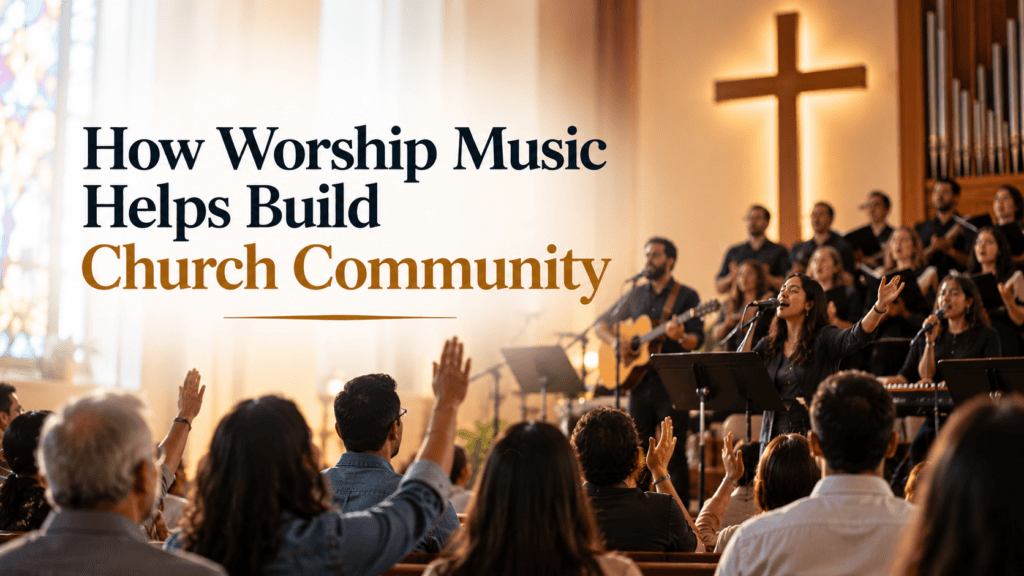
When people sing the same lyrics and melody, they participate in a shared expression of faith. Each person contributes a voice, while the combined sound becomes something no individual could create alone.
This experience can be especially meaningful during familiar hymns or songs that have been part of a congregation’s life for many years. The music may remind people of important services, family traditions, celebrations, or moments when they received encouragement from their church community.
For newcomers, familiar and accessible songs can also make participation easier. A welcoming congregation that encourages everyone to sing can help people feel that they have a place within the gathering.
How Worship Music Connects Different Generations

Church communities often include children, teenagers, young adults, parents, and older members. Their musical preferences may differ, but worship music can provide opportunities for these generations to participate together.
Traditional hymns may carry special meaning for older members, while younger worshippers may connect with contemporary songs. Rather than treating these preferences as competing choices, churches can create thoughtful programmes that respect their musical traditions while welcoming new expressions of worship.
Intergenerational choirs and music groups can strengthen these connections. Experienced singers can encourage beginners, younger musicians can share their skills, and members can learn from one another.
When different generations are given opportunities to participate, worship music can help preserve a church’s musical heritage while supporting its future.
Worship Choirs Build Friendships and Fellowship

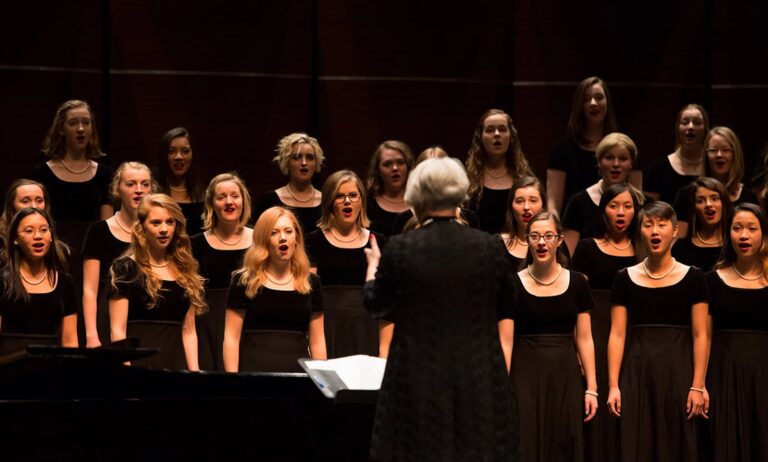
A church choir is not only a group of singers preparing music for services. It can also become a place where members develop friendships, encourage one another, and learn to work as a team.
Regular rehearsals create opportunities for conversation and fellowship beyond Sunday worship. Members may support one another through challenging musical passages, celebrate improvements, and share responsibilities during special services.
Choir participation also teaches patience. Singers must listen to others, follow the conductor, respect different voice parts, and work toward a balanced sound. These habits can strengthen the relationships within the group.
A healthy choir culture welcomes members with different levels of experience. Musical development matters, but so do kindness, encouragement, reliability, and respect.
How Welcomes New Members
Joining a new church can feel intimidating, especially for someone who has not yet formed friendships within the congregation.
Music can provide a practical way to become involved. A newcomer may begin by singing during services, attending a choir rehearsal, learning an instrument, or helping with worship preparation.
These activities create natural opportunities to meet people and develop relationships without the pressure of immediately becoming comfortable in every aspect of church life.
Churches can make this process easier by explaining how music teams work, welcoming beginners where appropriate, and providing clear information about rehearsals and participation.
The goal is to create opportunities for people to contribute while feeling respected and supported.
Worship Music Encourages Teamwork and Mutual Support

A worship team usually includes several people with different responsibilities. Singers, instrumentalists, worship leaders, sound engineers, and projection operators all contribute to the service.
For the music to work well, these individuals must communicate, listen, and cooperate.
A pianist may adjust an accompaniment to support a vocalist. A guitarist may simplify a part to leave room for congregational singing. Singers may change their volume to create better balance. Technical team members may adjust sound levels so that the lyrics remain clear.
These decisions demonstrate that successful worship music depends on more than individual talent. Everyone must consider how their contribution affects the group.
When team members respect one another and work toward a shared purpose, music becomes an opportunity to practise cooperation and service.
How Shared Music Can Provide Encouragement
Music can give people an opportunity to express emotions that may be difficult to communicate through ordinary conversation.
A worship song about hope may encourage someone experiencing a difficult period. A familiar hymn may bring comfort during a season of uncertainty. A joyful song may help a congregation celebrate together.
Different people may respond to the same song in different ways, so worship leaders should avoid assuming that every person experiences music identically. Nevertheless, carefully chosen music can create space for reflection, encouragement, and shared expression.
Church members can also support one another by listening respectfully, offering encouragement, and recognising that people may arrive at worship carrying challenges that are not immediately visible.
Worship Music Creates Opportunities to Serve

Serving through music gives church members a practical way to contribute to the life of their congregation.
Some people sing in a choir, while others play piano, guitar, violin, or drums. Others help prepare song lyrics, organise rehearsals, manage sound equipment, or coordinate musical events.
A strong music community recognises the value of both visible and behind-the-scenes contributions. The person leading a song and the person preparing the lyrics display are both supporting the service in different ways.
When people understand that their work matters, they may develop a stronger sense of responsibility and connection to the church.
How Worship Music Connects People Beyond Sunday Services
The relationships formed through music do not have to end when the service finishes.
Choirs and worship teams can participate in church celebrations, seasonal programmes, community gatherings, and charitable events. Rehearsals, workshops, and musical activities can create additional opportunities for members to spend time together.
These activities can also introduce church music to people who do not regularly attend services. A community concert or Christmas programme, for example, may provide a welcoming opportunity for visitors to experience the congregation’s musical life.
When organised thoughtfully, such activities can strengthen existing relationships while creating opportunities for new connections.
The Role of Music Leaders in Building Church Community

Worship leaders, choir directors, and music teachers influence the atmosphere of a church’s musical life.
Their responsibilities extend beyond selecting songs or correcting notes. They also help establish expectations for communication, rehearsal, participation, and mutual respect.
A music leader can build a healthier community by welcoming questions, giving constructive feedback, recognising effort, and treating beginners with patience. They can also encourage experienced musicians to support less experienced members.
Clear planning helps prevent unnecessary stress, while open communication gives team members confidence to raise concerns before they become larger problems.
Most importantly, leaders should remember that musical ability varies. Creating opportunities for people to grow can be just as valuable as preparing a polished performance.
The Importance of Inclusion
A strong church music community should make reasonable efforts to include people with different levels of musical experience and different practical needs.
Not everyone can read sheet music, sing harmony, or play an instrument. Some members may need additional time to learn a song, while others may prefer to participate through simpler musical parts.
Churches can offer suitable opportunities for beginners, provide lyrics that are easy to follow, and choose arrangements that allow the congregation to sing comfortably.
Inclusion does not mean removing all musical standards. It means helping people understand how they can participate and grow without feeling unnecessarily excluded.
A welcoming approach can make worship music a more accessible part of church life.
Practical Ways to Strengthen Worship Music Community
Churches can take several practical steps to encourage stronger relationships through music.
Organise regular rehearsals: Consistent gatherings help members improve musically and spend time together.
Encourage different generations to participate: Include suitable opportunities for children, young people, adults, and older members.
Choose accessible congregational songs: Make it easier for people to sing together.
Recognise every contribution: Appreciate musicians, singers, organisers, and technical volunteers.
Create opportunities for fellowship: Allow time for conversation and relationship-building around rehearsals and events.
Provide constructive feedback: Help musicians improve without discouraging them.
Serve the wider community: Consider appropriate musical events that bring church members and visitors together.
These steps can help churches develop a musical culture in which people feel valued, connected, and encouraged to contribute.
Final Thoughts on Worship Music Community
Worship music community grows when music becomes an opportunity for shared participation, fellowship, encouragement, and service. Congregational singing brings people together, choirs create lasting relationships, and worship teams learn the value of cooperation. Music can also connect generations, welcome newcomers, and provide opportunities for church members to contribute according to their abilities.
However, strong community requires more than choosing the right songs. It develops through consistent relationships, thoughtful leadership, mutual respect, and a willingness to include and support others.
At The Mystic Keys, students can develop musical skills through structured online lessons in piano, guitar, vocals, and other instruments. Learning music can help individuals build confidence, improve listening and teamwork, and prepare to contribute more effectively to church choirs and worship teams.
Whether you are a singer, instrumentalist, choir member, worship leader, or someone who simply enjoys congregational singing, your contribution can help strengthen the musical life of your church.
Ultimately, worship music becomes a powerful community-building activity when people use their abilities not only to make music together, but also to encourage one another, serve their congregation, and create a welcoming place for others.
For more information and exciting resources about learning music, visit our website at The Mystic Keys. For more music content and exciting offers follow us on
Facebook, Instagram, YouTube, LinkedIn, Twitter, Pinterest, and Threads.