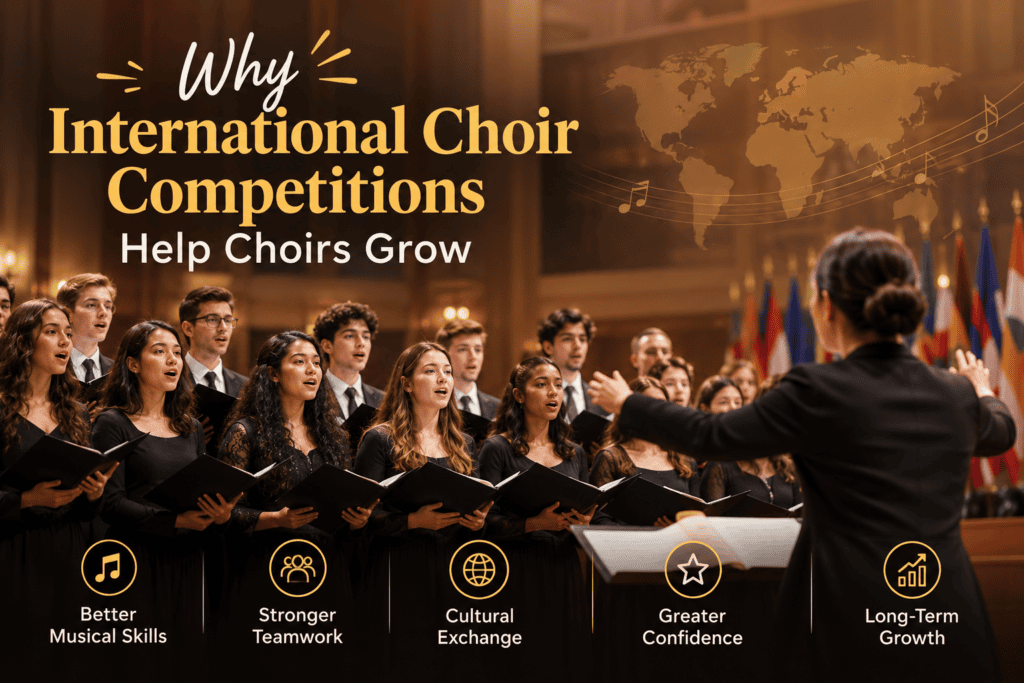
Why International Choir Competitions Help Choirs Grow
Introduction
Benefits of international choir competitions can be a transformative experience for singers, choir directors, and entire musical ensembles. These events give choirs the opportunity to perform on global stages, learn from experienced musicians, meet singers from different cultures, and discover new approaches to choral music.
Beyond winning awards, international competitions encourage musical growth, teamwork, discipline, and artistic confidence. They challenge singers to improve their vocal technique, refine their interpretation, and work together towards a shared goal.
Whether a choir represents a school, church, university, community, or professional ensemble, taking part in an international competition can open doors to new experiences and long-term development. In this article, we explore why international choir competitions help choirs grow and how these experiences can strengthen both musical ability and team spirit.
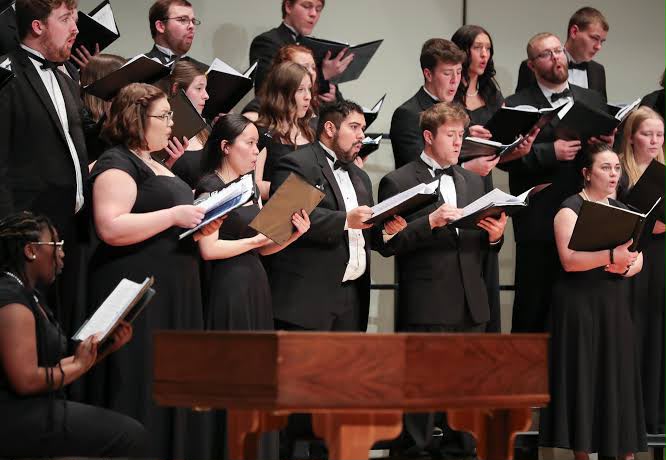
1. How International Choir Competitions Improve Musical Skills
One of the biggest benefits of international choir competitions is the opportunity to develop stronger musical skills. Preparing for a competition encourages singers to pay closer attention to pitch accuracy, rhythm, vocal blend, diction, and musical expression.
Choirs often work on challenging repertoire that requires greater precision and coordination. This focused preparation helps singers recognise their individual responsibilities while understanding how their voices contribute to the overall sound.
Competition preparation can improve:
Pitch accuracy: Singers learn to maintain their notes and tune harmonies more carefully.
Vocal blend: Sections develop a more unified sound by listening closely to one another.
Rhythmic precision: Singers practise maintaining consistent timing and coordinating entrances.
Diction: Clear pronunciation helps communicate the meaning of the lyrics.
Musical expression: Dynamic changes, phrasing, and emotional interpretation become more intentional.
These skills remain valuable long after the competition ends, helping choirs deliver more polished performances in concerts, festivals, and community events.
2. International Choir Competitions Encourage Higher Standards
Preparing for an international event often motivates choirs to raise their performance standards. Singers become more aware of the details that distinguish a good performance from an excellent one.
A choir may need to refine difficult passages, improve the balance between vocal sections, or develop a more convincing interpretation of the music. Working towards a specific competition deadline gives rehearsals a clear purpose.
Choir directors can use this opportunity to establish measurable goals, such as improving intonation, strengthening rhythmic accuracy, and achieving consistent phrasing throughout a piece.
However, higher standards should not mean putting unnecessary pressure on singers. The most productive preparation combines ambitious goals with realistic expectations, constructive feedback, and time for recovery.
3. How International Choir Competitions Build Teamwork
A choir succeeds through collaboration. Each singer contributes an individual voice, but the overall performance depends on how well those voices work together.
International choir competitions reinforce the importance of listening, communication, responsibility, and trust. Singers must coordinate their breathing, entrances, vowel sounds, and phrasing while responding to the conductor.
Preparing for a major event can also strengthen relationships within the group. Members learn to support one another through difficult rehearsals, celebrate improvements, and work through challenges together.
Teamwork develops when singers:
Attend rehearsals consistently.
Practise their individual parts between sessions.
Listen to other vocal sections.
Accept feedback with a positive attitude.
Support less experienced singers.
Share responsibility for the choir’s progress.
These habits help create a more connected ensemble and make rehearsals more productive.

4. International Choir Competitions Introduce Singers to Different Cultures
One of the most rewarding aspects of international choir competitions is the opportunity to experience music from different cultural traditions.
Choirs may encounter ensembles performing folk songs, sacred music, contemporary compositions, traditional arrangements, and works in unfamiliar languages. Listening to these performances can broaden singers’ understanding of musical expression and choral interpretation.
Cultural exchange also encourages respect for different musical traditions. Singers can learn how language, history, rhythm, and local customs influence the way music is performed.
When choirs travel internationally, informal conversations, workshops, and shared performances may be just as valuable as the competition itself.
These experiences can inspire directors to introduce more diverse repertoire and encourage singers to approach unfamiliar musical styles with curiosity and sensitivity.
5. How International Choir Competitions Build Confidence
Performing in front of unfamiliar audiences and expert adjudicators can be challenging, particularly for young or developing singers. International choir competitions provide an opportunity to practise performing under pressure in a structured environment.
As singers prepare, they become more familiar with managing nerves, maintaining concentration, and recovering from small mistakes without losing confidence.
Confidence develops through preparation and experience. When singers know their music well and trust their fellow choir members, they can focus more fully on communicating the performance to the audience.
Even when a choir does not receive an award, successfully completing a challenging performance can be an important achievement.
Over time, these experiences may help singers become more comfortable with public performances, auditions, concerts, and other musical opportunities.
6. International Choir Competitions Provide Valuable Feedback
Many international choir competitions offer feedback or adjudication from experienced choral professionals. This feedback can help choirs identify strengths and areas for improvement that may be difficult to notice during regular rehearsals.
Judges may comment on:
Vocal quality and ensemble balance.
Rhythmic precision.
Diction and clarity of text.
Musical phrasing and interpretation.
Repertoire selection and overall presentation.
Choir directors can use this information to create a more focused rehearsal plan after the event.
For example, if feedback highlights inconsistent vowel shapes, future rehearsals can include exercises for matching vowels across vocal sections. If rhythmic precision needs improvement, the choir can practise challenging passages slowly before returning to the original tempo.
The most valuable feedback is not simply a score. It is a practical guide for continued development.
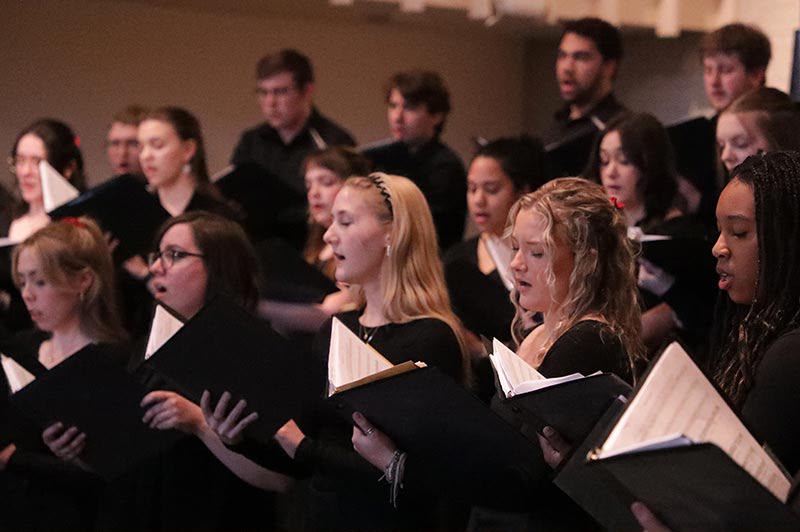
7. How International Choir Competitions Inspire Better Repertoire Choices
Choosing suitable music is an important part of competition preparation. International events can encourage choir directors to explore repertoire that challenges singers while matching their abilities and artistic goals.
A balanced programme might include traditional choral works, contemporary arrangements, culturally diverse music, or pieces that showcase the choir’s particular strengths.
Preparing unfamiliar repertoire can help singers expand their musical knowledge and develop greater flexibility. They may need to learn new languages, understand different rhythmic patterns, or adapt to more complex harmonies.
Choir directors should consider the group’s vocal range, experience, rehearsal time, and the competition’s rules before choosing songs.
The objective is not simply to select the most difficult music. It is to choose repertoire that allows the choir to perform with accuracy, confidence, and genuine musical expression.
8. International Choir Competitions Help Choir Directors Grow
The benefits of international choir competitions extend beyond singers. Choir directors also gain opportunities to learn and develop their leadership skills.
Watching other conductors work can reveal new approaches to rehearsal planning, vocal technique, repertoire selection, and ensemble communication.
Directors may also receive professional feedback on their choir’s preparation and performance. This can help them reconsider rehearsal methods, identify gaps in musical development, and set clearer goals for future seasons.
Competition preparation encourages directors to become more organised and intentional about:
Rehearsal schedules and priorities.
Vocal warm-ups and technical exercises.
Sectional practice.
Performance readiness.
Communication with singers and families.
Long-term artistic planning.
These improvements can benefit the choir well beyond a single event.
9. International Choir Competitions Create Networking Opportunities
Benefits of International competitions bring together singers, conductors, music educators, composers, and organisers from different places. These connections can help choirs build relationships within the wider choral community.
Networking opportunities may include workshops, masterclasses, shared concerts, informal discussions, and invitations to future events.
Choirs may discover new music, exchange rehearsal resources, or develop connections with ensembles that share similar interests.
For young singers, meeting experienced musicians can also provide inspiration and a clearer understanding of possible musical pathways.
The strongest professional relationships often develop through genuine musical exchange rather than competition results alone.
10. How International Choir Competitions Support Long-Term Growth
The benefits of an international competition do not end when the final performance is over. The experience can help a choir establish new goals and build a stronger foundation for future development.
After returning from a competition, directors can review feedback, discuss the experience with singers, and identify the skills that improved during preparation.
A useful post-competition review might include:
Identifying the choir’s strongest performance moments.
Reviewing comments from adjudicators.
Discussing challenges experienced during rehearsals and travel.
Setting realistic musical goals for the next season.
Incorporating new techniques or repertoire into future rehearsals.
This process turns a single event into an ongoing learning experience.
It is also important to recognise progress that cannot be measured by medals, such as improved confidence, stronger friendships, better rehearsal habits, and a deeper appreciation of choral music.
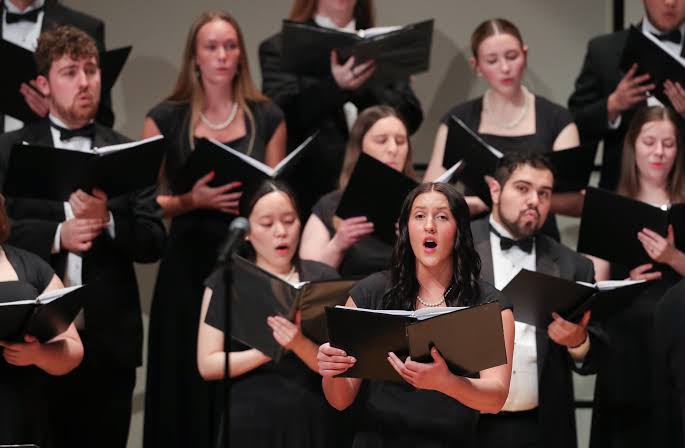
Challenges Choirs Should Consider Before Entering an International Competition
Although international choir competitions offer many benefits, participation requires careful planning.
Travel, accommodation, registration, music preparation, and other expenses can place pressure on a choir’s budget. Directors should research the event carefully, confirm eligibility requirements, and prepare a realistic financial plan.
Time is another important consideration. Singers may need additional rehearsals, and the chosen repertoire should be achievable within the available preparation period.
Choirs should also consider the wellbeing of their members. Rest, vocal health, realistic expectations, and a supportive rehearsal environment are essential for a positive experience.
Before registering, review the competition’s rules, judging criteria, repertoire requirements, and schedule. A well-chosen event should align with the choir’s goals and resources.
How The Mystic Keys Helps Singers Develop Stronger Musical Skills
At The Mystic Keys, structured music learning can help singers build the vocal and musical foundations needed for confident performances. Developing pitch accuracy, breath control, diction, rhythmic awareness, and expressive singing can support singers as they prepare for concerts, festivals, and choir competitions.
Consistent practice and guided musical development also help learners become more comfortable interpreting repertoire, listening to others, and working towards shared musical goals.
Whether a singer is beginning their musical journey or looking to improve existing skills, building strong fundamentals can make participation in group performances more rewarding.
The Mystic Keys supports musical growth through personalised online training, including Worship Piano & Singing Lessons Online, helping learners develop their skills, confidence, and musical expression.
Conclusion
Benefits of International choir competitions can help choirs grow by encouraging higher musical standards, strengthening teamwork, building confidence, and introducing singers to different cultures and musical traditions.
They also provide valuable feedback, inspire new repertoire choices, and create opportunities for choir directors and singers to connect with the wider musical community.
Winning an award can be exciting, but it is not the only measure of success. The lasting value of a competition lies in what the choir learns, how its members grow together, and how the experience influences their future musical journey.
With thoughtful preparation, suitable repertoire, and a focus on continuous improvement, international choir competitions can become powerful opportunities for artistic and personal development.
For more information and exciting resources about learning music, visit our website at The Mystic Keys. For more music content and exciting offers follow us on
Facebook, Instagram, YouTube, LinkedIn, Twitter, Pinterest, and Threads,