
Fingerstyle vs Strumming: What's the Difference?
One of the first choices every guitarist encounters is whether to play using fingerstyle or strumming. Both techniques are fundamental to guitar playing, yet they produce completely different sounds, require different skills, and suit different musical styles. Understanding fingerstyle vs strumming helps beginners choose the right approach while giving experienced players a better appreciation of each technique’s unique strengths.
Although many people think they must choose one style over the other, the truth is that both techniques complement each other. Learning both expands your musical abilities, allowing you to adapt to different songs, genres, and performance situations.
In this guide, we’ll explore the differences between fingerstyle and strumming, their advantages, challenges, and how each technique can improve your overall guitar playing.
Understanding Fingerstyle vs Strumming

At their core, fingerstyle and strumming are different ways of producing sound on the guitar.
Strumming involves sweeping across multiple strings using a pick or your fingers to create chords and rhythmic accompaniment.
Fingerstyle involves plucking individual strings with your fingers, allowing you to play melody, harmony, and rhythm simultaneously.
While both techniques use the same instrument, they create very different musical experiences.
Two Techniques, One Instrument
Learning both styles gives guitarists greater flexibility and allows them to approach a wider variety of songs with confidence.
What Is Fingerstyle Guitar?
Fingerstyle guitar uses the thumb and fingers of the picking hand to pluck individual strings independently.
Instead of striking all the strings together, each finger is responsible for specific strings, creating detailed musical textures.
This technique allows guitarists to perform:
- Melody and accompaniment together
- Arpeggios
- Bass lines
- Harmonic embellishments
- Percussive effects
Fingerstyle often sounds rich and expressive because multiple musical parts are played at the same time.
Fingerstyle Creates Musical Independence
Each finger develops its own role, allowing complex arrangements that sound like more than one instrument playing simultaneously.
What Is Guitar Strumming?

Strumming focuses on rhythm and chord accompaniment.
Using either a pick or fingers, guitarists sweep across several strings to create full, balanced chords that support vocals or other instruments.
Strumming is commonly used in:
- Pop music
- Rock
- Worship music
- Folk
- Country
- Campfire songs
Because it emphasizes rhythm, strumming is often the first technique beginners learn.
Strumming Builds Strong Rhythm
Consistent strumming helps develop timing, coordination, and confidence while providing a solid rhythmic foundation.
Fingerstyle vs Strumming: Sound Comparison
The biggest difference between the two techniques is their sound.
Fingerstyle produces a softer, more detailed, and expressive tone because each note is played individually.
Strumming creates a fuller, louder sound that fills the musical space with chords and rhythmic energy.
Neither technique is better than the other—they simply serve different musical purposes.
Different Sounds for Different Situations
Choosing between fingerstyle and strumming depends on the mood, style, and arrangement of the music you want to perform.
Fingerstyle vs Strumming for Beginners
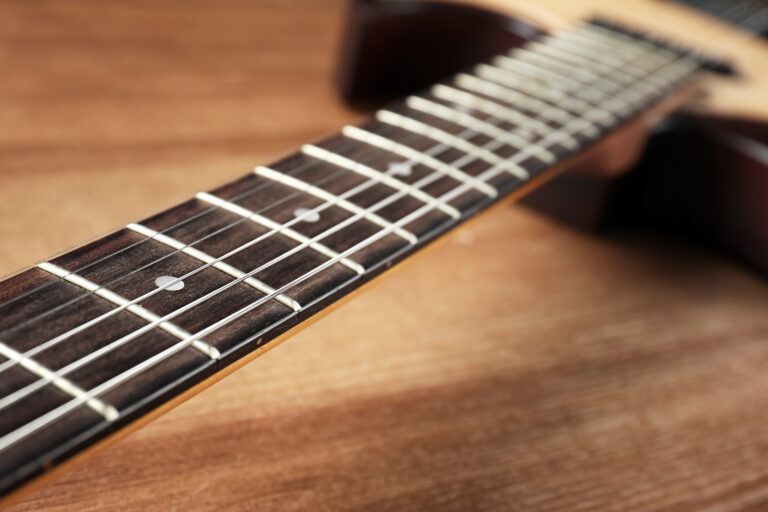
Many beginners wonder which technique is easier to learn.
Strumming is generally simpler because students focus on chord changes and basic rhythm patterns before developing more advanced coordination.
Fingerstyle requires greater finger independence since each finger performs a separate task.
However, with consistent practice, both techniques become increasingly comfortable.
Start Simple and Build Gradually
Many guitar teachers introduce strumming first before gradually adding fingerstyle exercises as students gain confidence.
Coordination Required for Fingerstyle vs Strumming
Both techniques develop coordination in different ways.
Fingerstyle improves:
- Finger independence
- Precision
- Accuracy
- Hand synchronization
- Musical expression
Strumming develops:
- Rhythmic consistency
- Hand movement
- Tempo control
- Dynamic playing
- Chord transitions
Learning both creates a balanced technical foundation.
Balanced Skills Make Better Guitarists
Combining both techniques helps students become more versatile musicians.
Musical Styles That Use Fingerstyle vs Strumming
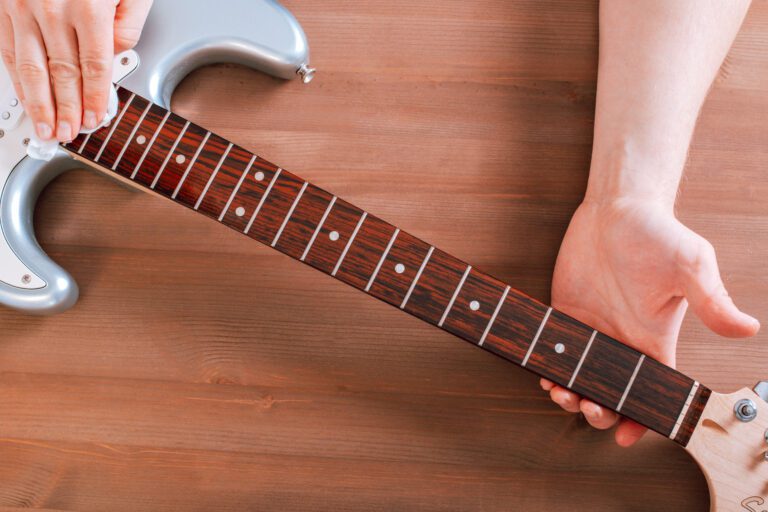
Different genres naturally favor different approaches.
Fingerstyle is commonly heard in:
- Classical guitar
- Fingerstyle acoustic
- Celtic music
- Instrumental arrangements
- Solo performances
Strumming appears frequently in:
- Pop
- Rock
- Worship
- Folk
- Country
- Indie music
Many modern guitarists combine both techniques within the same song.
Versatility Expands Musical Opportunities
The ability to switch between fingerstyle and strumming makes learning new songs much easier.
Practice Tips for Fingerstyle vs Strumming
Improving either technique requires focused and consistent practice.
Helpful practice habits include:
- Practice slowly.
- Use a metronome.
- Keep your hands relaxed.
- Learn complete songs.
- Record your practice sessions.
- Increase speed gradually.
Consistency is far more effective than practicing too fast.
Small Improvements Lead to Big Results
Daily practice strengthens coordination, confidence, and overall musicianship.
Common Mistakes to Avoid

Many beginners develop habits that slow their progress.
For fingerstyle:
- Pulling strings too hard
- Tensing the fingers
- Ignoring thumb control
For strumming:
- Holding the pick too tightly
- Playing uneven rhythms
- Strumming with stiff wrist movements
Correcting these habits early makes learning smoother and more enjoyable.
Relaxation Improves Technique
Efficient movement produces cleaner sound and greater control in both styles.
Should You Learn Fingerstyle or Strumming First?
There is no universal answer.
If your goal is singing while playing chords, strumming provides a quicker starting point.
If you enjoy instrumental music, fingerstyle may be the better choice.
Ultimately, learning both techniques provides the greatest musical freedom.
The Best Guitarists Learn Both
Developing fingerstyle and strumming together creates a more complete musician capable of performing a wider variety of music.
Conclusion
Understanding fingerstyle vs strumming helps guitarists appreciate the strengths of each technique. Fingerstyle offers beautiful detail, independence, and expressive playing, while strumming provides strong rhythm, powerful accompaniment, and energetic performances. Rather than choosing one over the other, learning both techniques allows you to adapt to different musical styles and become a more versatile guitarist.
At The Mystic Keys, our personalized Guitar Lessons Online help students master both fingerstyle and strumming through one-on-one instruction, structured practice, and expert guidance. Whether you’re just beginning your guitar journey or looking to refine your technique, our experienced instructors will help you build confidence, improve coordination, and enjoy every step of your musical growth.
For more information and exciting resources about learning music, visit our website at The Mystic Keys. For more music content and exciting offers follow us on
Facebook, Instagram, YouTube, LinkedIn, Twitter, Pinterest, and Threads.