
How to Develop a Strong Sense of Groove on the Drums
Many people believe that becoming a great drummer is all about playing fast fills, impressive solos, and complex rhythms. While technical ability is certainly important, experienced musicians know that the true mark of an exceptional drummer is the ability to create a steady and enjoyable groove. A drummer with great groove can make even the simplest beat feel exciting, while a drummer who lacks groove may struggle to make technically difficult performances sound musical. Developing a strong sense of groove on the drums is one of the most valuable skills every drummer can build, regardless of age or experience.
Groove is the heartbeat of music. It is the feeling that makes people tap their feet, nod their heads, dance, or naturally move with the rhythm. Whether you play rock, pop, jazz, gospel, funk, blues, worship music, or contemporary styles, your ability to maintain a consistent groove influences every musician performing with you. Developing a strong sense of groove on the drums requires more than natural talent. It comes from focused practice, careful listening, and learning to serve the music rather than trying to impress the audience with speed.
Understanding how groove develops allows drummers to become more confident performers and better band members. Throughout this article, you’ll discover practical techniques that improve timing, coordination, dynamics, musical awareness, and consistency while helping you develop a groove that feels natural and inspires everyone around you.
Why a Strong Sense of Groove on the Drums Matters

A strong sense of groove on the drums forms the foundation of every great performance. While fills and solos capture attention, groove keeps the music together from beginning to end. It provides a steady rhythmic pulse that allows singers, guitarists, bass players, keyboardists, and other musicians to perform with confidence. When the groove is solid, the entire band sounds tighter and more professional.
Professional drummers understand that their primary responsibility is to support the music rather than dominate it. A consistent groove creates stability, allowing every instrument to contribute naturally. This reliability makes drummers highly respected in rehearsals, live performances, recording sessions, and worship teams alike.
Builds Musical Confidence
Developing a strong sense of groove on the drums also builds personal confidence. Instead of worrying about keeping time, drummers can focus on dynamics, expression, communication, and enjoying the performance. Confidence grows because the rhythmic foundation becomes dependable through consistent practice.
Develop a Strong Sense of Groove on the Drums Through Better Timing
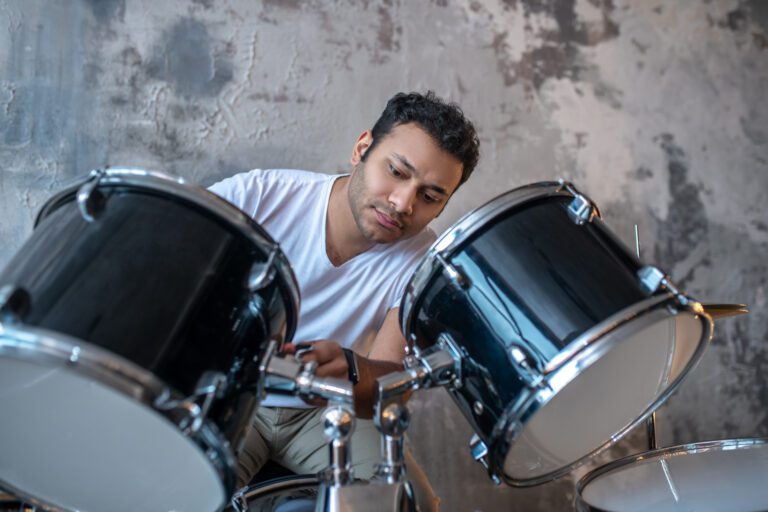
Timing is one of the most important elements of groove. Playing the correct rhythm means very little if the notes are not placed accurately within the beat. Even tiny inconsistencies can make the music feel rushed or sluggish.
One of the most effective ways to improve timing is practicing with a metronome. Begin with slow tempos where every note can be played comfortably and accurately. Resist the temptation to increase speed too quickly. Slow practice develops internal timing that remains consistent even when performing without a metronome.
Drummers should also experiment with placing the snare slightly behind or directly on the beat while keeping the tempo steady. These subtle timing differences help develop musical feel without sacrificing accuracy.
Slow Practice Strengthens
Practicing slowly allows drummers to hear every note clearly and recognize small timing mistakes before they become habits. It also improves stick control, coordination, and consistency, all of which contribute to a stronger groove. Many professional drummers spend a significant portion of their practice sessions playing basic grooves at slow tempos because they understand that precision always comes before speed.
Listening Carefully Develops a Strong Sense of Groove on the Drums

Groove is learned not only through practice but also through listening. Great drummers spend countless hours studying recordings from different genres to understand how experienced musicians shape rhythm and support the music. Listening carefully teaches subtle details that written notation cannot fully capture.
Instead of focusing only on drum fills, pay attention to how the drummer locks in with the bass guitar, supports the vocals, and maintains consistent energy throughout the song. Notice how dynamics, accents, and note placement create different musical feelings while the tempo remains steady.
Listening actively broadens your musical vocabulary and helps you naturally develop a more mature and expressive groove behind the drum kit.
Study Great Drummers to Improve
Every accomplished drummer develops their own style by learning from others. Explore different musical genres, observe how professional drummers approach simple beats, and identify techniques that make their playing feel relaxed and effortless. Over time, these observations become part of your own musical expression, helping you build a strong sense of groove on the drums that is both consistent and uniquely your own.
Practice with Different Musical Styles to Develop a Strong Sense of Groove on the Drums
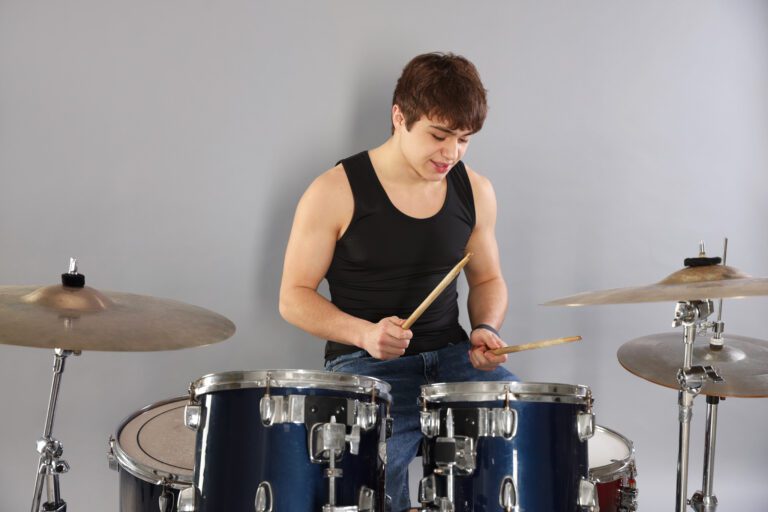
Every musical style has its own rhythmic character. Rock grooves emphasize power and consistency, funk relies on syncopation and precision, jazz encourages flexibility, while worship music often requires sensitivity and dynamic control. Practicing only one genre limits your rhythmic development. Learning grooves from multiple styles helps drummers become versatile musicians and improves their overall sense of timing and feel.
Spend time each week exploring different genres. Play along with recordings and focus on capturing the feel of the music rather than simply copying the rhythm. As you experience various styles, your ability to adapt and maintain a strong sense of groove on the drums becomes more natural and confident.
Exploring Various Genres Strengthens a Strong Sense of Groove on the Drums
Each genre teaches valuable rhythmic skills. Funk improves note placement, jazz develops independence, rock builds consistency, Latin music enhances coordination, and gospel encourages expressive playing. Together, these experiences help drummers develop a richer and more musical groove.
Dynamics Play a Major Role in a Strong Sense of Groove on the Drums
Groove is not only about playing the correct rhythm—it is also about controlling volume. A drummer who strikes every drum with the same force often produces a performance that sounds mechanical and lacks musical expression. Great groove comes from understanding when to play softly, when to add energy, and when to hold back.
Learning dynamic control allows the groove to breathe naturally. Ghost notes, accented backbeats, controlled hi-hat patterns, and balanced cymbal playing all contribute to a more expressive performance. Instead of focusing on playing louder, concentrate on making every note intentional.
Dynamic Control Creates a Strong Sense of Groove on the Drums
Practicing grooves at different volume levels develops greater stick control and musical awareness. The ability to maintain excellent timing while changing dynamics is a skill shared by many professional drummers. As dynamic control improves, your groove becomes more expressive, engaging, and enjoyable for both the audience and fellow musicians.
Playing with Other Musicians Improves a Strong Sense of Groove on the Drums
One of the fastest ways to develop a strong sense of groove on the drums is by playing with other musicians. While solo practice builds technique, ensemble playing teaches listening, communication, and musical awareness. A drummer must constantly respond to the rhythm section, especially the bass player, while supporting the overall sound of the band.
Rehearsing with singers and instrumentalists also develops consistency. You learn how small changes in tempo or dynamics affect everyone else, making you more responsible and dependable as a drummer. These experiences prepare you for live performances, recording sessions, church worship teams, and professional ensembles.
Ensemble Playing Builds a Strong Sense of Groove on the Drums
The more frequently you perform with other musicians, the more naturally you learn to maintain steady time. Listening carefully, adjusting your playing when necessary, and supporting the music rather than competing for attention all contribute to building a mature and reliable groove.
Develop a Strong Sense of Groove on the Drums Through Consistent Practice

Consistency is one of the defining characteristics of every great drummer. Playing an excellent groove once is not enough—it must be repeated with the same confidence, timing, and feel throughout an entire song. Developing a strong sense of groove on the drums requires disciplined daily practice that focuses on quality rather than quantity.
Instead of practicing for long hours without direction, create short and focused sessions. Spend time on basic grooves, timing exercises, coordination drills, and playing along with songs. Recording your practice sessions is also valuable because it helps identify areas where the tempo fluctuates or the groove becomes uneven. As consistency improves, your confidence naturally grows, and maintaining a solid groove becomes second nature.
Daily Practice Builds a Strong Sense of Groove on the Drums
Practicing every day, even for twenty to thirty minutes, is more effective than practicing only once or twice a week. Regular repetition strengthens muscle memory, improves coordination, and develops the internal clock that every drummer relies on. Over time, these small daily improvements lead to significant musical growth.
Avoid Common Mistakes That Weaken a Strong Sense of Groove on the Drums
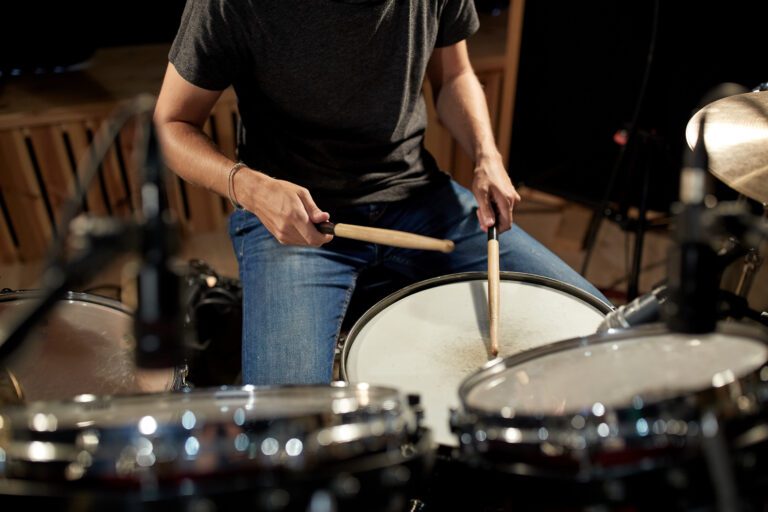
Many drummers unintentionally develop habits that interfere with their groove. Recognizing and correcting these mistakes early helps build stronger rhythmic foundations and prevents long-term technical problems.
Some of the most common mistakes include:
- Playing fills too frequently instead of supporting the song.
- Rushing difficult sections because of excitement.
- Ignoring the metronome during practice.
- Playing every note at the same volume.
- Focusing only on speed instead of consistency.
- Not listening carefully to other musicians.
- Allowing tension in the hands, wrists, or shoulders to affect control.
Avoiding these habits allows drummers to maintain a smoother, more relaxed groove that serves the music effectively.
Correcting Mistakes Strengthens a Strong Sense of Groove on the Drums
Every mistake presents an opportunity to improve. By slowing down, analyzing your playing, and making small corrections consistently, you develop greater control and musical maturity. Professional drummers constantly refine their fundamentals because they know that excellent groove is built through attention to detail.
Patience Is Essential for Developing a Strong Sense of Groove on the Drums

Learning groove is not something that happens overnight. Unlike learning a single drum fill or rhythm pattern, groove develops gradually through experience, careful listening, and consistent repetition. Every rehearsal, lesson, performance, and practice session contributes to stronger timing and greater musical confidence.
Many beginners become discouraged because they compare themselves to experienced drummers who have spent years refining their feel. Instead of focusing on quick results, celebrate steady progress. Every improvement in timing, coordination, dynamics, and listening skills brings you closer to developing a strong sense of groove on the drums.
Musical Growth Takes Time
The best drummers understand that groove is a lifelong journey. They continue learning from every performance, exploring new musical styles, and refining their rhythmic awareness throughout their careers. Patience, persistence, and a willingness to keep improving are what ultimately transform a good drummer into an exceptional musician.
Conclusion
Developing a strong sense of groove on the drums is one of the most valuable investments any drummer can make. While technical skills, speed, and impressive fills have their place, groove is what truly connects the drummer with the music and the audience. Strong timing, careful listening, dynamic control, consistent practice, and musical awareness all work together to create performances that feel natural, expressive, and inspiring.
Remember that groove is built through patience and repetition rather than shortcuts. Every practice session, rehearsal, and live performance is an opportunity to strengthen your rhythmic foundation and become a more dependable musician. Focus on serving the music, maintaining steady time, and developing a relaxed feel behind the drum kit.
At The Mystic Keys, our experienced instructors help students develop not only technical drumming skills but also the musical confidence needed to perform with excellent groove. Through personalized Drum Lessons Online, students receive one-on-one guidance, structured practice methods, and expert feedback that help them build a strong sense of groove on the drums while becoming versatile and expressive performers.
For more information and exciting resources about learning music, visit our website at The Mystic Keys. For more music content and exciting offers follow us on
Facebook, Instagram, YouTube, LinkedIn, Twitter, Pinterest, and Threads.