
The Physiology Behind Violin Performance Pressure
Every violinist experiences nervousness before walking onto a stage. Whether performing at a school recital, a graded examination, an orchestra concert, or a professional competition, those few moments before playing often feel overwhelming. The heart beats faster, the hands become cold or sweaty, breathing changes, and even well-prepared musicians may suddenly doubt themselves. This reaction is completely normal. Violin Performance Pressure is not simply an emotional experience—it is also a physiological response that affects the entire body. Understanding what happens inside the body during stressful performances helps violinists manage pressure more effectively and perform with greater confidence.
Many musicians mistakenly believe that performance anxiety is a sign of poor preparation or lack of talent. In reality, even world-class violinists experience nervousness before important performances. The difference is that experienced performers understand how their bodies react under pressure and develop techniques to work with these natural responses instead of fighting against them. Learning the physiology behind performance pressure allows violinists to remain calm, focused, and expressive, even in challenging situations.
Understanding Violin Performance Pressure
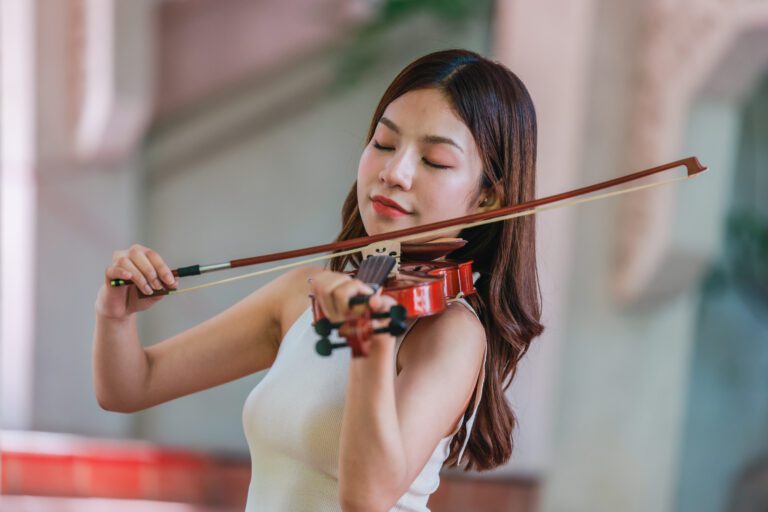
Violin Performance Pressure begins long before the first note is played. The brain constantly evaluates situations that seem important or uncertain. Standing alone on a stage, facing an audience or examiner, naturally signals to the brain that the situation matters. In response, the nervous system prepares the body for action by activating the “fight or flight” response.
This response evolved to protect humans from danger. Although performing music is not physically dangerous, the brain sometimes reacts as if it is facing a real threat. Hormones such as adrenaline and cortisol are released into the bloodstream, preparing the body for immediate action. While these hormones increase alertness and energy, they can also interfere with the fine motor control required for violin playing if they become excessive.
Why Violin Performance Pressure Feels Different for Every Musician
Every violinist experiences pressure differently. Some notice trembling hands, while others experience dry mouth, rapid breathing, racing thoughts, or muscle tension. Personality, experience, preparation, sleep, and confidence all influence how strongly the body reacts. Understanding these individual differences helps musicians develop strategies that suit their own needs rather than comparing themselves with others.
How the Brain Responds
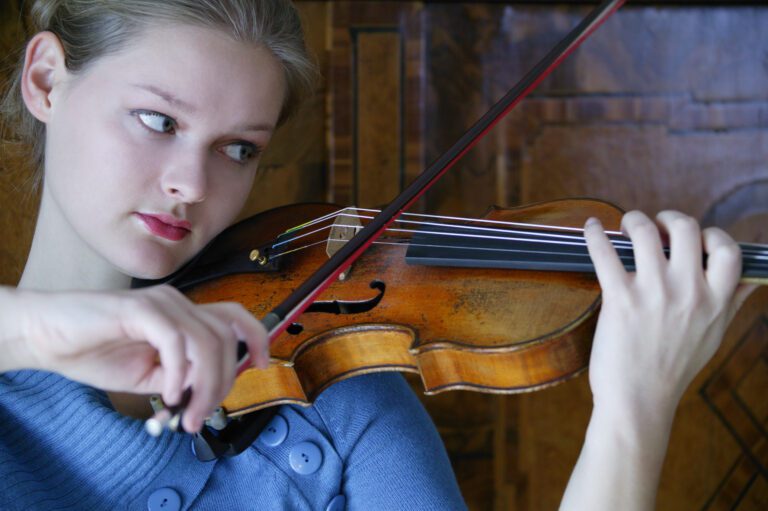
The brain plays the central role in managing Violin Performance Pressure. Before stepping onto the stage, the amygdala, a small structure involved in processing emotions, quickly evaluates whether the situation feels threatening. If it interprets the performance as stressful, it sends signals that activate the sympathetic nervous system.
At the same time, the prefrontal cortex, responsible for decision-making and concentration, attempts to keep the performer focused on the music. When anxiety becomes too strong, emotional signals from the amygdala can overpower logical thinking, making it difficult to remember passages that were previously mastered during practice. This explains why some musicians suddenly experience memory slips despite being thoroughly prepared.
Fortunately, the brain is adaptable. Repeated performance experience, consistent preparation, visualization, and positive practice routines gradually teach the brain that performing is safe. Over time, the stress response becomes more manageable, allowing musicians to think more clearly and perform with greater confidence.
The Role of Adrenaline
Adrenaline is one of the first hormones released during Violin Performance Pressure. Its purpose is to prepare the body for immediate action by increasing heart rate, improving blood flow to the muscles, and sharpening awareness. In moderate amounts, adrenaline can actually improve performance by increasing focus and energy.
Problems arise when adrenaline levels become too high. Excessive adrenaline may cause trembling fingers, shaky bow control, rushed tempos, and difficulty maintaining smooth movements. Since violin playing depends on precise coordination between both hands, even small changes in muscle control can affect tone quality and accuracy.
Learning to regulate adrenaline through breathing exercises, warm-up routines, and repeated performance experience helps violinists transform nervous energy into musical expression rather than allowing it to become overwhelming.
How Violin Performance Pressure Affects Muscle Control
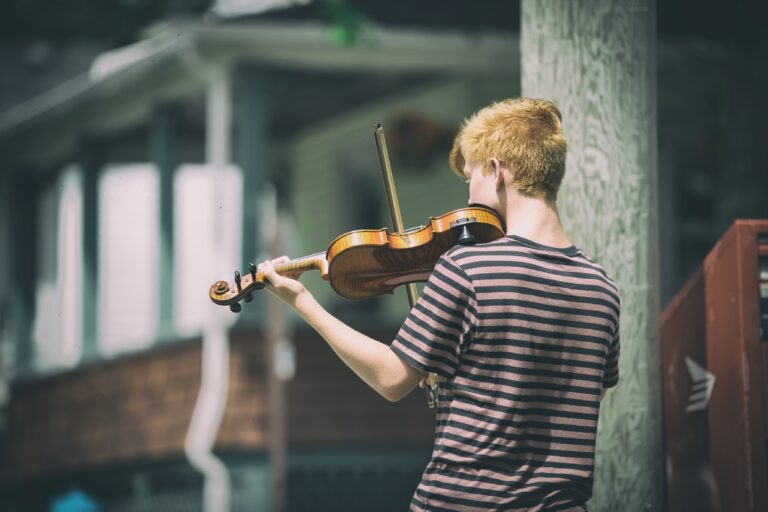
Playing the violin requires exceptional muscle coordination. Small muscles in the fingers, wrists, shoulders, and arms must work together with remarkable precision. Under Violin Performance Pressure, muscles naturally become tighter as the body prepares for action. While this response is useful during physical emergencies, it can interfere with the relaxed movements required for violin performance.
Muscle tension often appears in the shoulders, neck, jaw, and hands. This tension reduces flexibility, making shifting, vibrato, string crossings, and bow changes more difficult. Many students mistakenly try to force their technique when they feel tense, but this usually increases the problem. Learning to recognize unnecessary tension and consciously relax between phrases helps maintain smoother and more controlled performances.
How Breathing Changes During Violin Performance Pressure
Breathing is one of the first physiological functions affected by Violin Performance Pressure. When the body senses stress, breathing automatically becomes quicker and shallower. This response is designed to prepare the body for rapid movement, but it can negatively affect a violin performance. Shallow breathing reduces relaxation, increases muscle tension, and makes it more difficult to maintain steady bow control. Many violinists do not even realize they are holding their breath while playing difficult passages, which further increases physical tension.
Developing healthy breathing habits is an effective way to manage performance pressure. Before stepping onto the stage, slow and controlled breathing helps activate the body’s relaxation response, lowering the heart rate and reducing unnecessary tension. During performances, taking natural breaths between musical phrases keeps the body relaxed and improves concentration. Many professional violinists include breathing exercises as part of their warm-up routine because they understand that calm breathing supports calm playing.
Controlled Breathing
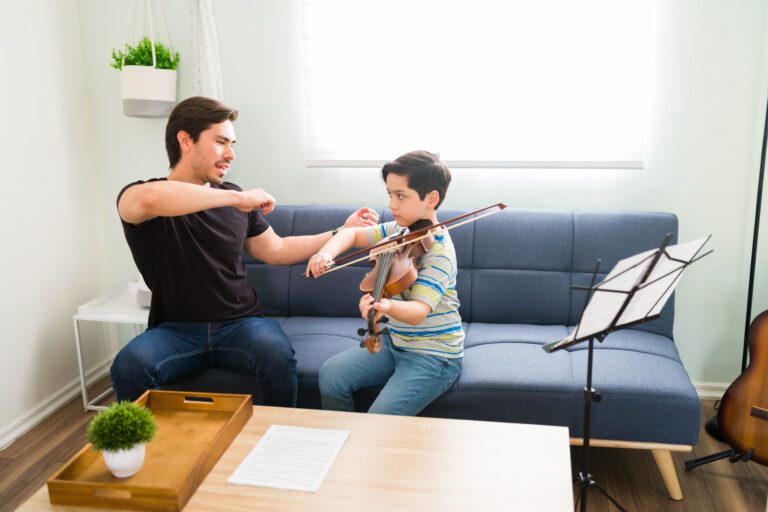
Controlled breathing is not only beneficial for relaxation but also improves musical phrasing. Violinists who breathe naturally while playing often produce more expressive performances because their breathing supports the flow and direction of the music. This simple habit allows musicians to stay mentally focused while reducing the physical effects of stress.
Violin Performance Affects Memory and Concentration
One of the most frustrating experiences for any violinist is forgetting a passage that has been practiced hundreds of times. This happens because Violin Performance Pressure can temporarily interfere with memory retrieval. High levels of stress hormones affect the brain’s ability to recall information quickly, making even familiar passages feel uncertain. The music has not disappeared from memory, but the brain struggles to access it efficiently under pressure.
Concentration can also become divided between the music and negative thoughts. Instead of focusing on rhythm, tone, or expression, students may begin worrying about making mistakes or being judged by the audience. This mental distraction reduces confidence and increases the likelihood of errors. Building confidence through consistent preparation, performing regularly in front of family or friends, and using visualization techniques helps train the brain to remain focused even during stressful situations.
Mental Preparation Improves Violin Performance Pressure
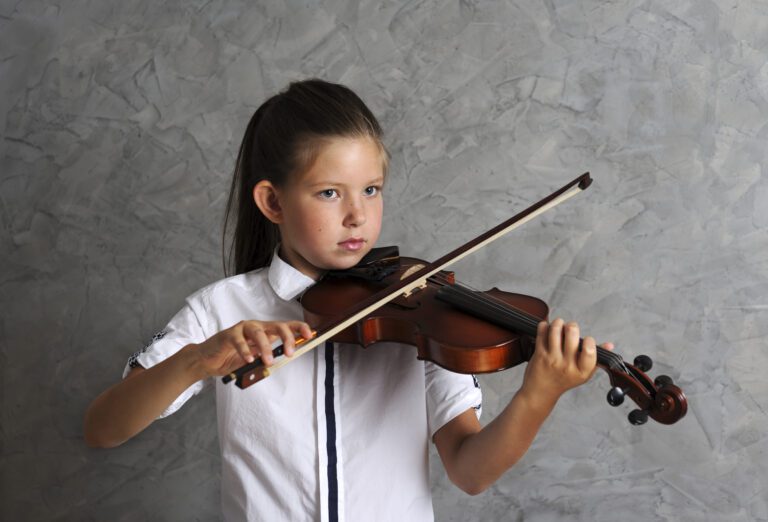
Mental rehearsal is just as important as physical practice. Visualizing a successful performance, imagining confident body language, and mentally playing through the music help the brain become familiar with performing. Over time, these exercises reduce anxiety and make public performances feel more natural.
How Regular Practice Reduces Pressure
Consistent preparation remains the most effective way to manage Violin Performance Pressure. Students who practice regularly develop stronger muscle memory, greater technical confidence, and better musical understanding. When the body knows the music thoroughly, it becomes easier to perform under pressure because less mental effort is required to remember every movement.
Effective preparation includes more than simply repeating pieces from beginning to end. Violinists should practice slowly, isolate difficult passages, perform for family members, and simulate performance conditions before important events. These experiences teach both the brain and body that performing is a familiar activity rather than a threatening one. As confidence grows, the physiological response to stress gradually becomes less intense.
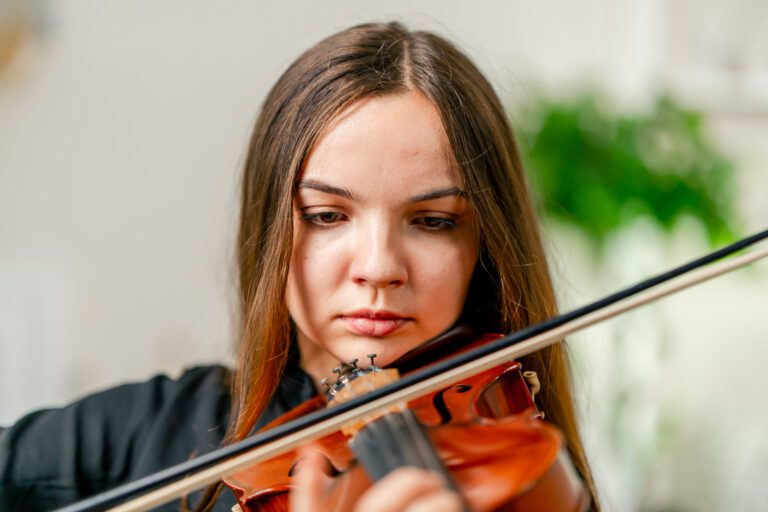
Healthy Habits That Help Manage Violin Pressure
Several lifestyle habits can significantly reduce Violin Performance Pressure before an important performance:
- Get enough sleep before concerts or examinations.
- Eat balanced meals to maintain steady energy levels.
- Stay hydrated throughout the day.
- Warm up gradually instead of starting with difficult pieces.
- Practice slow breathing before going on stage.
- Focus on musical expression rather than perfection.
- Accept that small mistakes are a natural part of live performances.
These simple habits prepare both the mind and body for confident performances while reducing unnecessary physical stress.
Conclusion
Violin Performance Pressure is a natural physiological response that affects every musician at some point in their musical journey. Faster heart rate, muscle tension, changes in breathing, and increased adrenaline are not signs of weakness—they are normal reactions to situations that feel important. By understanding how the brain and body respond to performance pressure, violinists can learn practical strategies to manage these physical changes rather than allowing them to control the performance. Consistent preparation, slow practice, healthy breathing, and regular performance experience gradually teach the body to remain calm and focused under pressure.
At The Mystic Keys, our experienced instructors help students build both technical excellence and performance confidence through personalized Violin Lessons Online. With structured one-on-one lessons, performance guidance, and effective practice strategies, students learn how to overcome Violin Performance Pressure, perform with confidence, and enjoy every step of their musical journey.
For more information and exciting resources about learning music, visit our website at The Mystic Keys. For more music content and exciting offers follow us on
Facebook, Instagram, YouTube, LinkedIn, Twitter, Pinterest, and Threads.