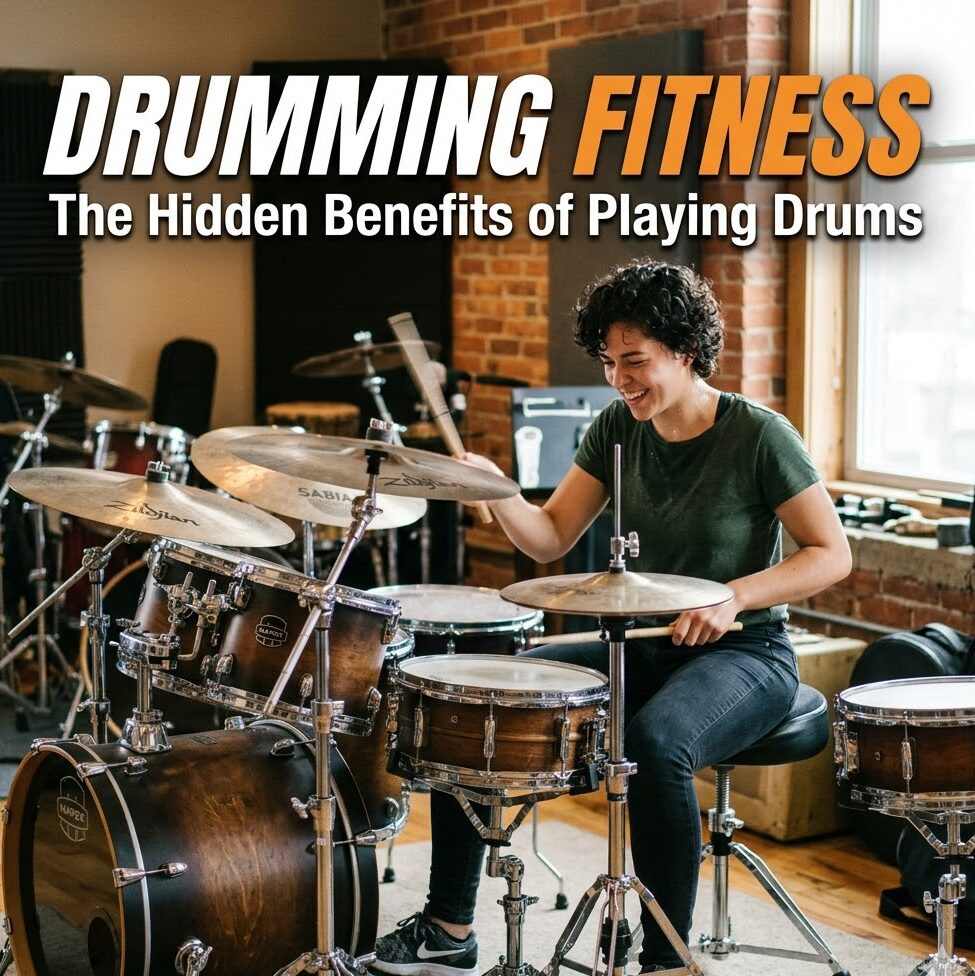
Drumming Fitness | The Hidden Benefits of Playing Drums
Music has long been recognized for its ability to inspire, heal, and bring people together. However, many people overlook another remarkable advantage of making music: its impact on physical fitness. This is where the concept of Drumming Fitness comes into focus. Among all musical instruments, drums stand out as one of the most physically engaging. While audiences often focus on the energy and excitement of a drummer’s performance, few realize that playing drums can provide a surprisingly effective workout for the entire body. Through a combination of rhythmic movement, endurance, coordination, and strength, Drumming Fitness offers benefits that extend well beyond musical development.
The relationship between drumming and fitness goes far beyond simply moving sticks up and down. Every practice session requires coordination, endurance, strength, and concentration. As a result, drummers often experience physical benefits that resemble those gained through traditional forms of exercise. Whether someone plays professionally, performs at church services, or practices recreationally, drumming can contribute significantly to overall health and well-being.
Drumming Is a Full-Body Workout
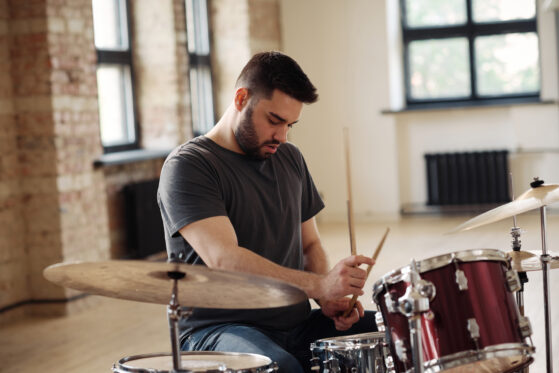
At first glance, drumming may appear to be an activity that mainly involves the hands and arms. In reality, the entire body participates in producing rhythm and maintaining control over the instrument.
The arms and shoulders remain active as they strike drums and cymbals repeatedly. At the same time, the legs operate the bass drum and hi-hat pedals, creating a constant flow of coordinated movement. Core muscles also play an essential role by supporting posture and helping drummers maintain balance during extended performances.
Unlike isolated exercises that target a single muscle group, drumming engages multiple areas simultaneously. This continuous involvement of the upper body, lower body, and core creates a dynamic workout that can leave players physically energized and pleasantly fatigued after a session.
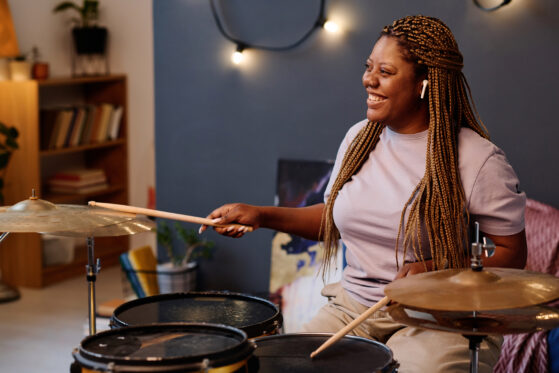
Drumming Fitness and Cardiovascular Endurance Through Rhythm
Many drummers are surprised when they discover how physically demanding a long rehearsal or performance can be. Fast tempos, energetic fills, and sustained playing often elevate the heart rate in a manner similar to aerobic exercise.
As drummers maintain rhythmic patterns for extended periods, the cardiovascular system works harder to deliver oxygen throughout the body. This increased demand helps improve stamina and endurance over time. In fact, intense drumming sessions can sometimes produce heart-rate levels comparable to activities such as brisk walking, cycling, or light jogging.
Consequently, regular drumming can support cardiovascular health while offering a far more engaging alternative for individuals who struggle to stay motivated with conventional workout routines. Instead of counting repetitions or monitoring distances, drummers focus on music while naturally benefiting from the physical effort involved.

Improved Coordination and Motor Skills
One of the most fascinating aspects of drumming is the requirement for independent limb control. A drummer may be playing one rhythm with the right hand, another pattern with the left hand, while simultaneously controlling different rhythms with each foot.
Such complexity challenges the brain and body to work together efficiently. Over time, these repeated movements strengthen neural pathways responsible for coordination and motor control. The result is improved timing, precision, and physical awareness.
Furthermore, enhanced coordination often extends beyond the drum set. Daily activities that require balance, quick reactions, or controlled movement may become easier because the body has been trained to process multiple actions simultaneously.
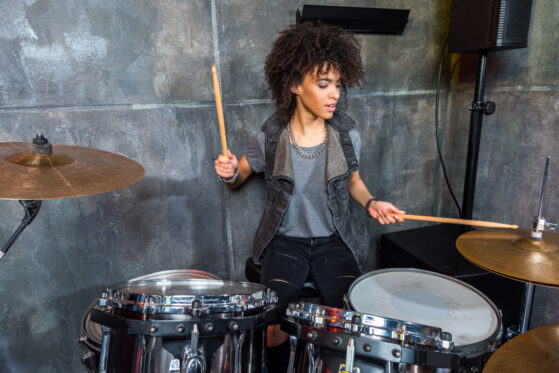
Strength Development Without Traditional Weight Training
Although drumming is not typically classified as strength training, it can contribute to muscle development in several areas of the body. Continuous stick control strengthens the wrists, forearms, and shoulders, while regular pedal work helps engage muscles in the calves and legs.
Muscular endurance is particularly affected. Drummers frequently perform repetitive movements for extended periods, requiring their muscles to resist fatigue while maintaining accuracy. Over months and years of consistent practice, this endurance becomes increasingly noticeable.
Moreover, larger dynamic movements used in certain drumming styles can place additional demands on the body. Rock, gospel, and marching percussion, for example, often involve powerful strokes that challenge both strength and stamina.
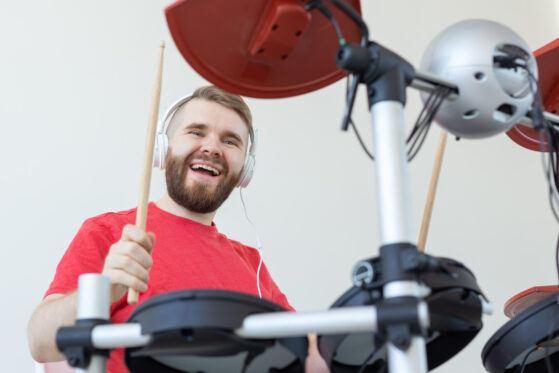
Drumming Fitness Benefits for Better Posture and Core Stability
Good drumming technique relies heavily on proper posture. Sitting at a drum set for long periods requires a stable core, balanced seating position, and efficient body mechanics.
Without adequate support from the abdominal and lower back muscles, fatigue develops quickly and performance quality begins to suffer. For this reason, experienced drummers learn to engage their core naturally while playing.
As these muscles become stronger, posture often improves both behind the drum kit and in everyday life. Better spinal alignment can help reduce unnecessary strain and support healthier movement patterns throughout the day.

Calorie Burning That Doesn’t Feel Like Exercise
One reason many people abandon fitness programs is boredom. Traditional exercise can sometimes feel repetitive, making it difficult to maintain long-term consistency.
Drumming offers a refreshing alternative because the focus remains on creativity, expression, and musical enjoyment rather than exercise itself. Yet the body continues working throughout the session.
Depending on playing intensity, duration, and style, drummers may burn a significant number of calories while practicing. High-energy performances can be especially demanding, requiring sustained movement and constant engagement from multiple muscle groups.
As a result, drumming provides a unique combination of entertainment and physical activity that keeps participants motivated without the mental resistance often associated with workouts.
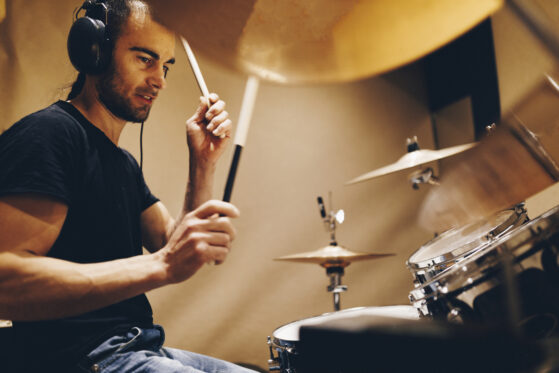
Drumming Fitness and Enhanced Reflexes and Reaction Time
Music happens in real time, leaving little room for hesitation. Drummers must react instantly to changes in tempo, dynamics, and musical direction.
This constant need for rapid decision-making sharpens reflexes and improves response speed. Every beat requires precise timing, and every transition demands immediate execution. Over time, these repeated challenges help train the nervous system to process information more efficiently.
The benefits are not limited to musical performance. Faster reaction times can positively influence many everyday activities that depend on quick thinking and coordinated movement.

Stress Relief That Supports Physical Wellness
Physical fitness is closely connected to mental and emotional health. Even the most effective exercise program can be undermined by chronic stress and tension.
Drumming provides a powerful outlet for releasing accumulated pressure. The act of creating rhythm allows players to channel emotions into productive expression while simultaneously engaging in physical activity.
Research consistently highlights the relationship between rhythmic activity and reduced stress levels. As concentration shifts toward music, worries often fade into the background. This combination of movement, creativity, and focus can leave drummers feeling refreshed both mentally and physically.
Consequently, the wellness benefits of drumming extend beyond muscles and endurance, supporting a healthier overall lifestyle.

Increased Energy Levels and Physical Confidence
Many forms of physical activity contribute to greater energy levels, and drumming is no exception. Regular practice encourages circulation, challenges the cardiovascular system, and keeps the body active.
Over time, improved stamina and coordination can lead to greater confidence in physical abilities. Drummers often notice that they can play longer, move more efficiently, and maintain higher levels of focus during demanding performances.
This growing sense of capability frequently translates into other areas of life as well. Whether participating in sports, recreational activities, or daily tasks, individuals may experience a stronger connection between physical movement and self-confidence.

Why Drumming Fitness Is a Sustainable Fitness Activity
One of the greatest challenges in fitness is maintaining consistency. Many exercise programs fail because participants eventually lose interest or struggle to stay motivated.
Drumming offers a unique advantage because progress is measured through musical growth as well as physical improvement. Every new groove, fill, song, or performance provides fresh goals to pursue. The learning process remains engaging, making it easier to practice regularly over long periods.
Because enjoyment is built into the activity itself, drumming often becomes a sustainable habit rather than a temporary fitness effort. This consistency is ultimately what drives meaningful physical results.

The Long-Term Impact of Drumming Fitness
The drum kit does far more than produce music—it actively promotes movement, endurance, coordination, and overall wellness. By engaging multiple muscle groups, drumming strengthens muscles, improves cardiovascular health, enhances posture, and helps reduce stress. Despite these benefits, many people still underestimate the physical impact of playing drums.
Many musicians pursue drumming for artistic expression, yet they also gain valuable fitness benefits along the way. Every rhythm and groove challenges the body, turning practice sessions into opportunities for physical development. Through Drums Lessons Online, aspiring drummers can build their musical skills while improving their physical well-being. At The Mystic Keys, students also discover how consistent practice can support both artistic growth and a healthier, more active lifestyle. For anyone seeking an enjoyable way to stay active, drumming combines exercise, creativity, and self-expression in a way that few other activities can.
For more information and exciting resources about learning music, visit our website at The Mystic Keys. For more music content and exciting offers follow us on
Facebook, Instagram, YouTube, LinkedIn, Twitter, Pinterest, and Threads.