Mastering Piano Basics | How Long to Learn Piano Properly?
Learning the piano is one of those journeys that feels both magical and intimidating at the same time. The instrument looks grand, sounds powerful, and carries centuries of musical tradition within its keys. Whether you’re drawn to the elegance of classical compositions, the expressiveness of film scores, or the freedom of improvisation, the question almost everyone asks at the beginning—especially when thinking about Mastering Piano Basics—is simple: How long will it take to learn piano properly?
The honest answer is both encouraging and realistic. You can start playing recognizable tunes within a few weeks, yet true mastery unfolds over years. Understanding what “learning properly” really means—and what mastering the basics actually involves—can make the journey clearer, less overwhelming, and far more enjoyable.

Understanding What “Learning Piano Properly” Means
Before putting a timeline on your progress, it helps to define what “properly” learning the piano actually involves. For some, it means being able to play a few favorite songs smoothly. For others, it includes reading sheet music fluently, understanding music theory, maintaining correct posture, and developing refined technique. The scope of your goal directly affects how long the journey will take.
Playing a simple melody with one hand is not the same as coordinating both hands with rhythm, dynamics, and expression. Beyond that, learning to interpret a piece musically requires sensitivity and listening skills that develop gradually. Technique, too, must be cultivated thoughtfully to avoid bad habits that are difficult to undo later.
In essence, learning piano properly means building a strong foundation. It includes posture, hand positioning, finger strength, note reading, rhythm awareness, and basic theory. When these elements are approached patiently, progress feels steady rather than rushed. With this clarity in mind, the timeline becomes easier to understand.

Mastering Piano Basics in the First Three Months | Laying the Foundation
The initial phase of learning piano is exciting and sometimes slightly awkward. During the first few weeks, your hands are adapting to movements that may feel unnatural at first. Finger independence is limited in the beginning, and coordinating both hands can feel like solving a puzzle.
However, within three months of consistent practice—around 20 to 30 minutes daily—most beginners can play simple songs using both hands. At this stage, you begin recognizing notes on the staff, understanding basic rhythms, and forming muscle memory for scales and simple exercises.
Progress in these early months depends heavily on consistency rather than long practice sessions. Short, focused practice builds stronger habits than occasional marathon sessions. Gradually, the keys feel less foreign, and the act of pressing them becomes more intuitive. Confidence starts to grow, which makes practice more enjoyable and sustainable.
Although you won’t be performing complex pieces yet, the groundwork being laid during this period is invaluable. Strong basics prevent frustration later and make advanced skills easier to acquire.
Mastering Piano Basics from Six Months to One Year | Gaining Confidence and Control
After the initial foundation is established, the next stage focuses on strengthening coordination, control, and musicality. Around the six-month mark, many learners can comfortably read beginner-level sheet music and perform short compositions with steady rhythm.
By the end of one year of consistent practice, noticeable transformation occurs. Hand coordination improves significantly. Scales become smoother. Simple chord progressions feel natural. You may even begin experimenting with dynamics—playing softer or louder intentionally to add expression.
At this point, pieces at a beginner to early intermediate level become achievable. That might include simplified classical pieces, basic pop arrangements, or traditional melodies arranged for piano. Reading music becomes faster, though not yet effortless.
More importantly, your ear begins to develop. You start noticing when something sounds off. You recognize patterns in chord progressions. This musical awareness marks an important step toward learning properly rather than just memorizing keys.
Mastering Piano Basics Over Two to Three Years | Moving Into Intermediate Territory
With steady dedication over two to three years, many learners enter the intermediate stage. This is where piano playing starts to feel more expressive and less mechanical. Technical exercises become more complex, including advanced scales, arpeggios, and varied rhythms.
During this period, your repertoire expands. Pieces that once seemed impossible begin to look approachable. Classical works by composers such as Ludwig van Beethoven or Frédéric Chopin may enter your practice list in simplified or early-intermediate forms. At the same time, modern pieces and film music become easier to interpret with emotion and control.
Coordination between hands improves dramatically. Instead of focusing only on hitting the correct notes, attention shifts toward phrasing, articulation, and musical storytelling. This transition marks a significant leap in learning “properly.” Technique and expression begin working together rather than competing for attention.
Still, growth during these years is rarely linear. Some months feel incredibly productive, while others seem stagnant. Plateaus are natural. With patience and guided practice, those plateaus eventually give way to breakthroughs.
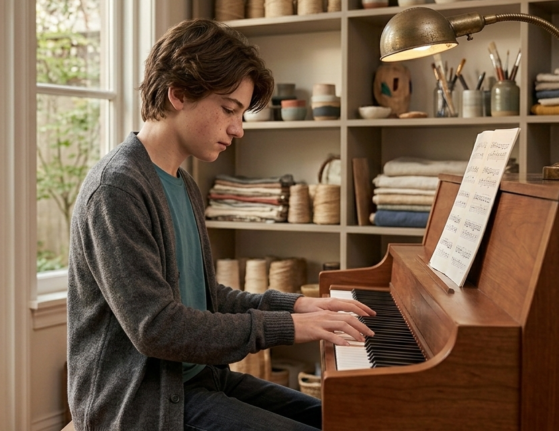
Mastering Piano Basics After Five Years | Refinement and Mastery
True mastery of the piano is a lifelong pursuit. Even accomplished pianists continue refining technique, expanding repertoire, and deepening interpretation. After five years of consistent learning, most dedicated students reach an advanced-intermediate or early-advanced level.
Complex compositions become accessible, including more demanding works from composers like Johann Sebastian Bach or Claude Debussy. At this stage, technical fluency allows for greater focus on nuance and artistry.
Expression becomes more intentional. You can shape phrases naturally, control tone through touch, and adjust tempo thoughtfully. Musicality matures through listening, analysis, and experience.
Reaching this level, however, depends less on raw talent and more on disciplined practice habits developed from the beginning. Those early basics—correct posture, proper finger positioning, steady rhythm—remain essential even years later.
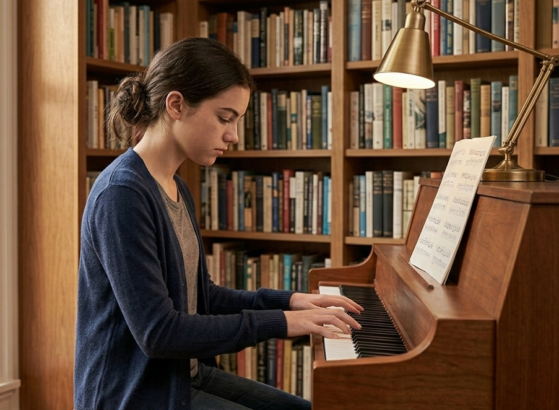
Factors That Influence How Long It Takes
While general timelines provide guidance, individual progress varies widely. Practice consistency plays the most crucial role. A student practicing daily for 30 focused minutes often progresses faster than someone practicing three hours only once a week.
Quality of instruction also makes a difference. A skilled teacher can correct mistakes early, introduce efficient techniques, and provide structured progression. Self-learners can certainly succeed, yet they must be careful about forming habits that hinder growth.
Personal goals shape the journey as well. Learning to accompany songs casually requires less time than preparing for professional-level performance. Motivation, patience, and enjoyment all influence how sustainable your practice routine becomes.
Age can affect learning speed, but not in limiting ways. Children often absorb new skills quickly, while adults bring stronger focus and discipline. Both can achieve impressive progress with dedication.
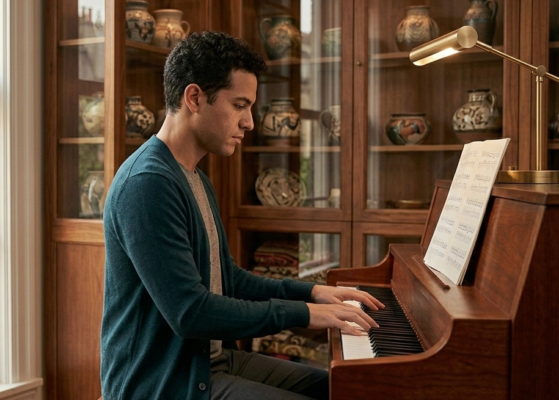
Practicing Smart | The Key to Learning Properly
The way you practice matters more than the total hours logged. Effective practice includes slow repetition, attention to posture, and breaking difficult passages into manageable sections. Rushing through pieces without control builds tension and mistakes.
Regular review of basics—scales, chords, rhythm exercises—keeps technique sharp. Listening to professional recordings improves musical understanding. Recording yourself can reveal areas needing refinement.
Equally important is rest. Muscles need recovery, and mental focus benefits from breaks. Balanced practice prevents burnout and keeps enthusiasm alive.
When learning is approached thoughtfully, progress feels rewarding rather than stressful. Each small improvement builds confidence.
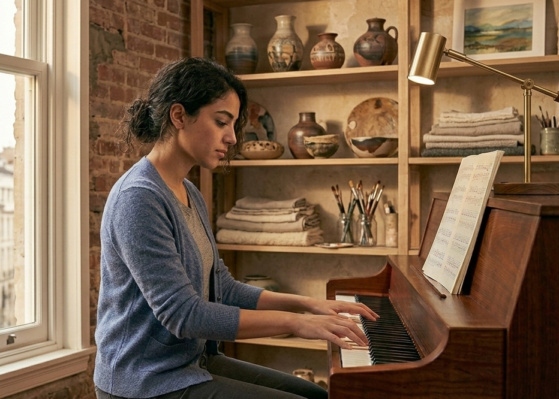
So, How Long Does It Really Take?
If your goal is to play simple songs comfortably, expect around three to six months of consistent practice. To reach a solid intermediate level where you can perform varied pieces with confidence, one to three years is realistic. Advanced proficiency often requires five years or more of steady dedication.
Although these timelines may sound long, remember that music is not a race. Every stage brings its own satisfaction. The first time both hands move smoothly together feels just as thrilling as performing a complex composition years later.
For learners who prefer guided structure and flexibility, enrolling in Piano Lessons Online can make a significant difference. Platforms like The Mystic Keys, our online music academy, are designed to support students at every stage—from absolute beginners mastering finger placement to intermediate players refining technique and expression. With personalized guidance, consistent feedback, and a thoughtfully designed curriculum, progress becomes more focused and far less overwhelming.
Learning piano properly is less about reaching a final destination and more about building skills gradually and meaningfully. With patience, structured practice, and genuine enjoyment—especially when supported by the right mentors and learning environment—the journey becomes deeply fulfilling.
And perhaps that is the most beautiful part of mastering piano basics: the realization that progress itself is music in motion, unfolding one key at a time.
For more information and exciting resources about learning music, visit our website at The Mystic Keys. For more music content and exciting offers follow us on
Facebook, Instagram, YouTube, LinkedIn, Twitter, Pinterest, and Threads.