How To Prepare For A Guitar Exam (trinity / Rockschool Tips)
Preparing for a guitar exam is a major milestone in a musician’s journey. Whether you are appearing for a Trinity College London or Rockschool assessment, the process requires far more than simply playing a few songs well. Proper guitar exam preparation involves structured practice, technical clarity, musical understanding, and mental readiness.
For many students, exams bring pressure and uncertainty. However, when approached correctly, a guitar exam becomes a rewarding opportunity to demonstrate growth, discipline, and musical maturity. This guide has been written to help students understand every stage of guitar exam preparation in a clear, practical, and professional way, without confusion or last-minute stress.

Understanding What Guitar Exams Really Test
Before beginning serious guitar exam preparation, it is important to understand what examiners are listening for. Guitar exams are not designed to test perfection. Instead, they evaluate consistency, musical awareness, technique, and overall performance quality.
Trinity guitar exams place strong emphasis on musical expression, tone, phrasing, and stylistic interpretation. Students are expected to communicate musically, not just play notes accurately. Rockschool guitar exams focus on contemporary performance skills, stylistic accuracy, groove, timing, and technical control within modern genres.
Both exam boards assess the following core areas:
• Performance pieces or songs
• Technical ability
• Rhythm and timing
• Sight reading or quick study
• Aural skills
• Musical understanding
Recognizing these expectations early helps students approach guitar exam preparation with clarity and purpose.
Creating a Structured Guitar Exam Preparation Plan

One of the most common mistakes students make is practicing without structure. Effective guitar exam preparation always begins with a clear plan.
Ideally, preparation should begin 8 to 12 weeks before the exam date. This allows enough time to develop confidence without rushing. A structured plan ensures balanced progress across all exam components.
A strong preparation plan includes:
• Learning and memorizing all exam pieces
• Building technical consistency
• Improving sight reading and aural skills
• Refining musical expression
• Practicing performance under pressure
When preparation is planned properly, students feel in control rather than overwhelmed.
Selecting the Right Pieces for Your Guitar Exam
Choosing appropriate exam pieces plays a crucial role in guitar exam preparation. Both Trinity and Rockschool provide multiple options within each grade, allowing students to select pieces that suit their strengths.
When choosing pieces, students should consider:
• Technical comfort level
• Musical style and genre preference
• Tempo control and articulation clarity
• Ability to perform confidently
It is always better to perform musically confident pieces than to struggle with technically difficult ones. Examiners value tone quality, rhythm, and musicality as much as complexity.
Building Strong Guitar Technique for Exams

Technical consistency is the backbone of successful guitar exam preparation. Scales, arpeggios, chord exercises, and technical studies improve finger strength, coordination, and control.
Effective technical practice focuses on:
• Clean fretting and accurate picking
• Relaxed posture and hand position
• Even tone across all strings
• Controlled tempo development
Practicing slowly and correctly is far more beneficial than playing fast with mistakes. Strong technique supports confident performance.
Developing Accurate Rhythm and Timing
Poor timing is one of the most common reasons students lose marks in guitar exams. Rhythm accuracy is essential for both Trinity and Rockschool assessments.
To improve timing during guitar exam preparation:
• Practice daily with a metronome
• Count rhythms aloud during practice
• Isolate difficult rhythmic sections
• Record practice sessions for review
A steady internal pulse helps students remain calm and controlled during the exam.
Improving Sight Reading Skills
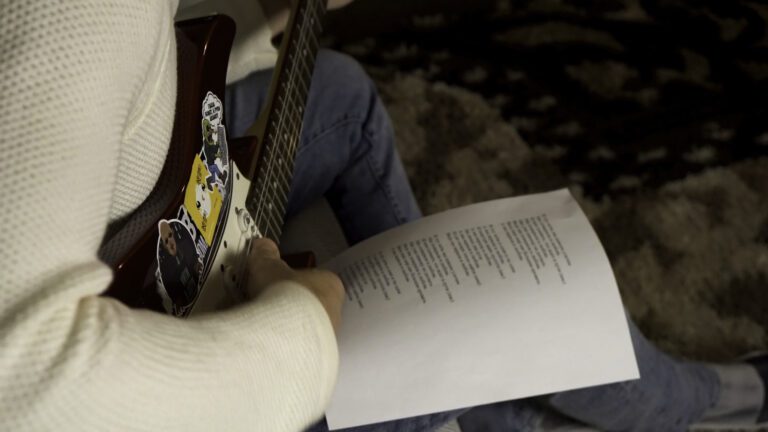
Sight reading can be intimidating, but with consistent practice it becomes manageable. Guitar exam preparation should include short, regular sight-reading sessions.
Effective sight-reading strategies include:
• Scanning the key and time signature before playing
• Identifying tricky rhythms in advance
• Maintaining a steady tempo
• Avoiding stops, even after mistakes
Examiners value continuity and rhythm more than note perfection.
Strengthening Aural Skills and Musical Awareness
Aural tests assess a student’s listening ability, musical memory, and responsiveness. These skills are developed gradually and should not be ignored during guitar exam preparation.
Ways to improve aural skills include:
• Singing scales and intervals
• Identifying chord qualities by ear
• Listening attentively to exam repertoire
• Imitating short melodic phrases
Strong aural skills enhance overall musicianship and confidence.
Practicing Performance Confidence

Performance anxiety affects many guitar students, even those who practice well. Mental preparation is an essential part of guitar exam preparation.
To build confidence:
• Perform regularly for small audiences
• Practice full exam run-throughs
• Focus on controlled breathing
• Visualize successful performances
Confidence grows from preparation, familiarity, and positive performance experiences.
Using Mock Exams to Improve Readiness
Mock exams simulate real exam conditions and are one of the most effective preparation tools.
A productive mock exam includes:
• Playing all pieces in exam order
• Completing technical exercises without pauses
• Attempting sight reading and aural tests
• Receiving structured feedback afterward
Mock exams highlight weaknesses early and reduce exam-day anxiety.
Common Guitar Exam Mistakes to Avoid

Many students lose marks due to avoidable issues rather than lack of ability. Common mistakes include:
• Rushing tempos due to nervousness
• Ignoring dynamics and articulation
• Poor posture and unnecessary tension
• Inconsistent tuning
Awareness and mindful practice prevent these errors.
Final Week Guitar Exam Preparation
The final week should focus on consistency and confidence, not intense practice.
During the last week:
• Reduce practice duration slightly
• Focus on clean, confident playing
• Review technical work lightly
• Prioritize rest and hydration
On exam day, arrive early, tune carefully, and trust your preparation.
The Role of Structured Guidance in Guitar Exam Preparation

While independent practice is important, structured guidance accelerates progress and reduces confusion.
At The Mystic Keys, students receive:
• Live one-on-one guitar lessons
• Exam-focused practice planning
• Real-time feedback and adaptive pacing
• Mock exams aligned with Trinity and Rockschool formats
This structured approach ensures students are fully prepared, confident, and musically expressive.
Conclusion
Guitar exams are milestones that reflect discipline, musical understanding, and personal growth. With proper planning, focused practice, and the right guidance, guitar exam preparation becomes a rewarding experience rather than a stressful one.
For students seeking structured, professional support, Guitar Lessons Online at The Mystic Keys provide the guidance, feedback, and confidence needed to succeed in Trinity and Rockschool guitar exams.
For more information and exciting resources about learning music, visit our website at The Mystic Keys. For more music content and exciting offers follow us on
Facebook, Instagram, YouTube, LinkedIn, Twitter, Pinterest, and Threads.