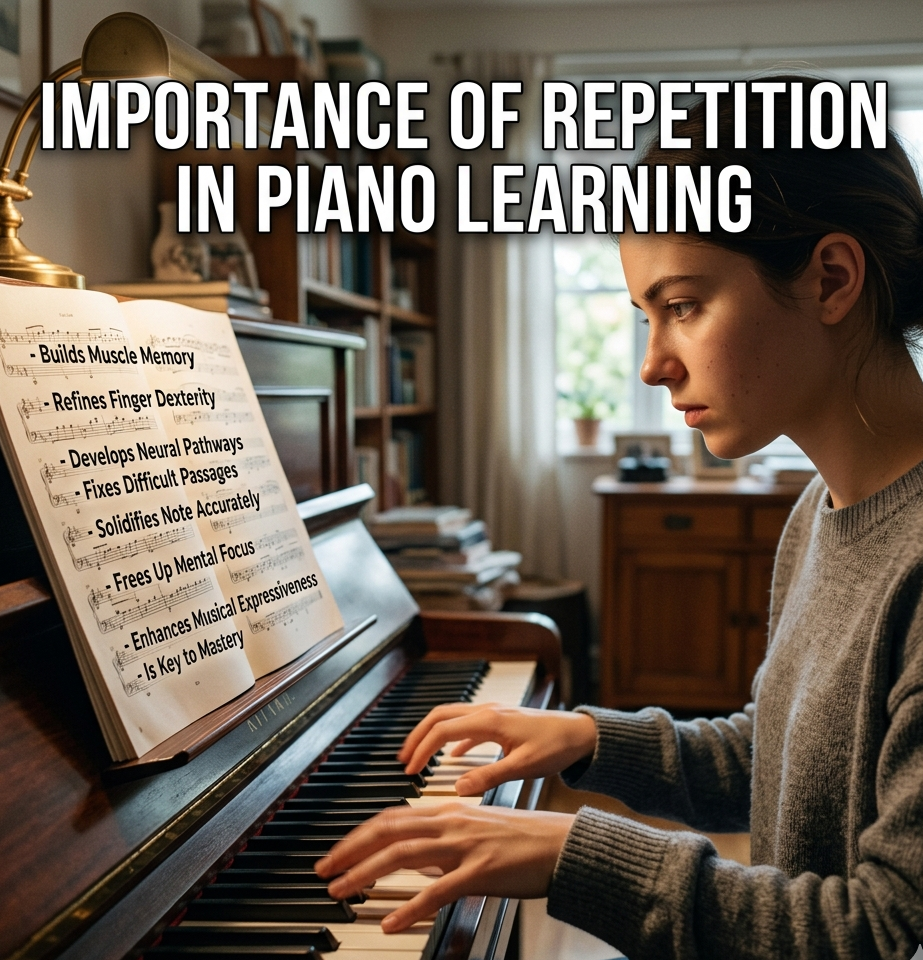
Importance of Repetition in Piano Learning
Importance of Repetition in Piano Learning
Learning the piano is often imagined as a journey filled with beautiful melodies, exciting progress, and the joy of creating music. While that picture is true, another side of piano learning plays an equally important role—the importance of repetition. This essential practice may seem less glamorous, yet it forms the backbone of real progress. Every smooth performance, every effortless scale, and every expressive piece reflects countless hours of deliberately repeating movements, patterns, and passages. Through consistent repetition, learners build control, confidence, and clarity, turning effort into mastery.
For many students, repetition can feel monotonous at first. Playing the same measure over and over may seem unnecessary, especially when the desire to move forward is strong. However, repetition is not simply about doing something again; it is about building the foundation upon which musical skill is developed. In piano learning, repetition is what transforms uncertainty into confidence and effort into fluency.
More importantly, repetition shapes the mind and the body together. It trains the fingers, sharpens the ears, strengthens memory, and builds discipline. Without it, progress remains inconsistent. With it, even the most challenging pieces become manageable over time.
Understanding why repetition matters can completely change the way students approach practice. Instead of seeing it as a boring requirement, they begin to recognize it as the very process that creates growth.
The Importance of Repetition in Building Muscle Memory
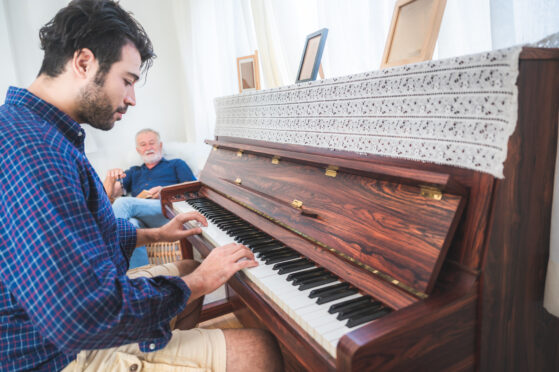
One of the most important reasons repetition matters in piano learning is muscle memory. Unlike casual activities, piano playing demands precise finger movements, hand coordination, and timing. In the beginning, every movement feels conscious and deliberate. A student must think about each note, each finger number, and each hand position.
Through repeated practice, those movements gradually become automatic.
This process allows the hands to remember what the mind no longer needs to consciously control. Over time, scales, chords, and patterns become familiar, reducing hesitation during playing. As a result, students can focus less on “what note comes next” and more on musical expression.
Without repetition, every performance feels like starting from the beginning again. On the other hand, consistent repetition creates familiarity, and familiarity creates ease. That ease is what eventually makes playing feel natural.
Repetition Strengthens Accuracy
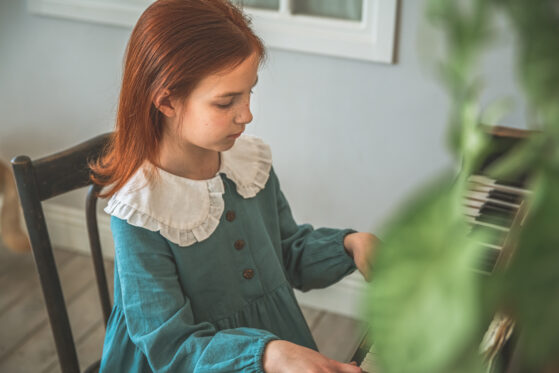
In piano, accuracy is not achieved by chance. Every correct note, rhythm, and articulation comes from repeated correction and refinement. Mistakes are a normal part of learning, but repetition is what gives students the opportunity to fix those mistakes.
When a difficult section is practiced repeatedly with attention, the brain starts recognizing patterns and correcting errors more efficiently. Gradually, what once felt difficult becomes reliable.
At the same time, repetition teaches patience. Students learn that improvement is often not immediate. A passage that feels impossible on Monday may feel comfortable by Friday simply because it was practiced consistently.
Accuracy develops layer by layer. First comes note accuracy, then rhythm, followed by dynamics and expression. Repetition makes room for each of these layers to settle properly.
The Importance of Repetition in Building Confidence
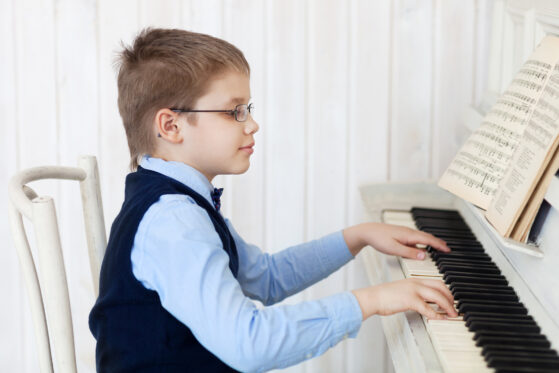
Stage fright, nervousness, and performance anxiety are common in piano learning. Much of that fear comes from uncertainty. When students are unsure of their pieces, their confidence naturally drops.
Repetition changes that.
The more a student repeats a piece, the more familiar it becomes. Familiarity reduces fear because the music no longer feels unpredictable. Instead of worrying about forgetting notes, the player begins trusting their preparation.
Confidence is not built in the performance itself; it is built in the practice room.
Every repeated run-through strengthens that trust. Eventually, the piece feels like something the student owns rather than something they are struggling to survive.
That shift is powerful because it changes the emotional experience of performing. What once felt stressful begins to feel enjoyable.

Repetition Improves Memory Retention
Memorization is a major part of piano learning, whether for exams, performances, or personal growth. Repetition plays a central role in storing musical information in long-term memory.
Each time a student repeats a piece, they reinforce its structure in their mind. Notes, rhythms, patterns, and phrasing become more deeply embedded. This repeated exposure helps the brain create stronger neural connections.
As those connections strengthen, recall becomes easier.
Memory in piano is not only mental but also physical and auditory. Students remember how the passage feels in their hands, how it sounds in their ears, and how it looks on the page. Repetition connects all these forms of memory together.
Because of this, pieces practiced consistently are far easier to remember than pieces practiced occasionally.

The Importance of Repetition in Developing Technique
Good piano technique cannot be rushed. Hand posture, finger strength, wrist flexibility, and control all require repeated training.
At first, students may struggle to maintain proper technique while focusing on notes. This is completely normal. With repetition, however, technical habits begin to settle.
The body learns how to move efficiently.
Proper repetition also helps prevent tension. By practicing movements multiple times with awareness, students can identify unnecessary strain and adjust their technique. This not only improves playing quality but also protects against injury.
Over time, repeated technical exercises such as scales, arpeggios, and finger drills create the physical strength needed for advanced repertoire.
Technique is built slowly, and repetition is the tool that makes that process possible.

Repetition Develops Rhythm and Timing
Rhythm is one of the most challenging aspects of piano learning because it requires precision and consistency. Reading rhythms correctly once is not enough. Timing must be internalized.
That is where repetition becomes essential.
Repeated rhythmic practice helps students feel the pulse naturally rather than counting mechanically every time. Gradually, rhythm shifts from something external to something internal.
Consistency in timing improves because the body starts recognizing rhythmic patterns instinctively.
In addition, repeated work with a metronome helps build steady tempo control. At first, students may struggle to stay aligned. Yet with repeated attempts, their sense of timing becomes stronger and more dependable.
Strong rhythm creates stability, and stability makes music feel complete.
The Importance of Repetition in Overcoming Difficult Passages
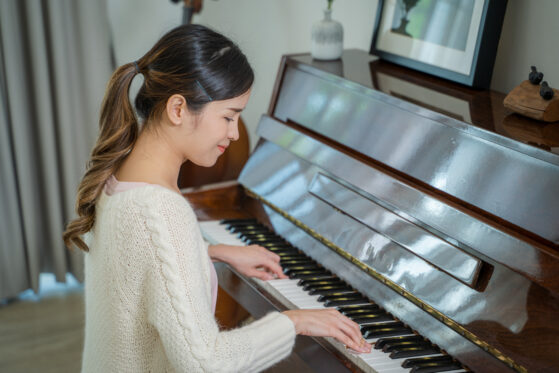
Every pianist encounters difficult passages. Fast runs, large jumps, hand coordination, and unusual rhythms can all feel overwhelming in the beginning.
Trying to play through them once or twice rarely solves the problem.
Breaking those passages into smaller sections and repeating them allows the difficulty to become manageable. Each repetition removes a little uncertainty. Gradually, the challenge becomes less intimidating.
What once felt impossible starts feeling familiar.
This process is often where real growth happens because it teaches students how to work through difficulty instead of avoiding it.
The ability to repeat difficult sections patiently is what separates casual practice from effective practice.
It Teaches Discipline and Patience
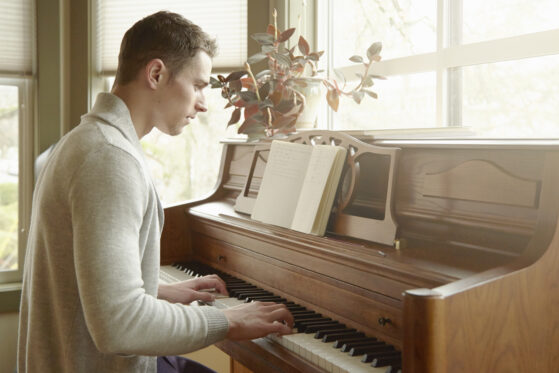
Piano learning is not only about music; it is also about character development. Repetition teaches students that progress requires consistency.
In a world where quick results are often expected, piano reminds learners that meaningful improvement takes time.
Repeated practice builds discipline because students must show up regularly, even when progress feels slow. It also teaches patience because mastery cannot be forced.
These lessons extend beyond music.
The discipline learned through repetition often influences school, work, and other life goals. Students begin understanding that success in any area is usually the result of steady effort rather than instant talent.
That mindset is one of the greatest gifts piano education offers.

The Importance of Repetition in Creating Musical Expression
At first, repetition may seem mechanical, but its ultimate purpose is artistic freedom.
When notes and technique become secure through repetition, the mind is no longer occupied with basic survival. Instead, attention can shift toward expression, emotion, and interpretation.
This is where music truly comes alive.
Dynamics, phrasing, tempo changes, and emotional depth become easier to explore when the foundation is solid. A well-repeated piece allows the player to communicate rather than merely play.
Expression depends on security.
Without repetition, musicality remains limited because too much mental energy is spent managing technical difficulties. With repetition, the technical side fades into the background, making room for artistry.
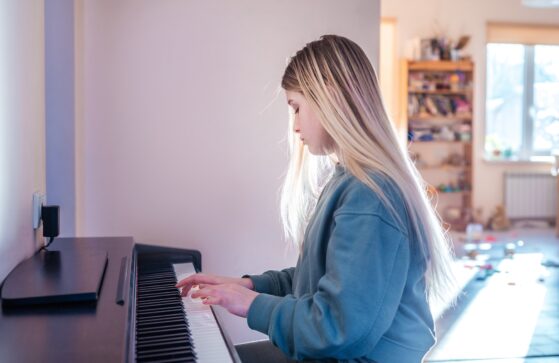
Quality of Repetition Matters
Although repetition is essential, not all repetition is productive. Mindless repetition can reinforce mistakes just as easily as correct habits.
Effective repetition requires attention.
Practicing slowly, listening carefully, and correcting errors immediately makes repetition meaningful. Purposeful repetition focuses on improvement rather than simply completing a number of attempts.
Short, focused sessions are often more effective than long, distracted ones.
Students benefit most when they practice with clear goals, such as improving accuracy, strengthening rhythm, or refining dynamics. In this way, repetition becomes intentional rather than automatic.
Quality always matters more than quantity.
Conclusion
Repetition is the heartbeat of piano learning. It remains the quiet, often unseen process behind every visible achievement at the piano. From building muscle memory and improving accuracy to developing confidence and artistic freedom, repetition shapes each stage of a pianist’s growth and strengthens the foundation of long-term musical success.
Although repetition may not always feel exciting, it remains one of the most powerful tools in music education. Piano progress rarely comes through sudden breakthroughs; instead, it grows through small improvements practiced consistently over time. Each repeated scale, every challenging measure revisited, and every piece practiced again adds another layer of skill, confidence, and understanding.
This is why structured guidance matters so much in the learning journey. With expert mentorship and well-planned Piano Lessons Online, students can learn how to practice repetition effectively rather than mechanically. At The Mystic Keys, repetition is approached with purpose, helping students build strong technique, musical memory, and expressive confidence through personalized learning methods.
In the end, repetition is not just a practice habit—it is the pathway to mastery. When guided the right way, every repeated note brings a student closer to becoming a confident and expressive pianist.
For more information and exciting resources about learning music, visit our website at The Mystic Keys. For more music content and exciting offers follow us on
Facebook, Instagram, YouTube, LinkedIn, Twitter, Pinterest, and Threads.