

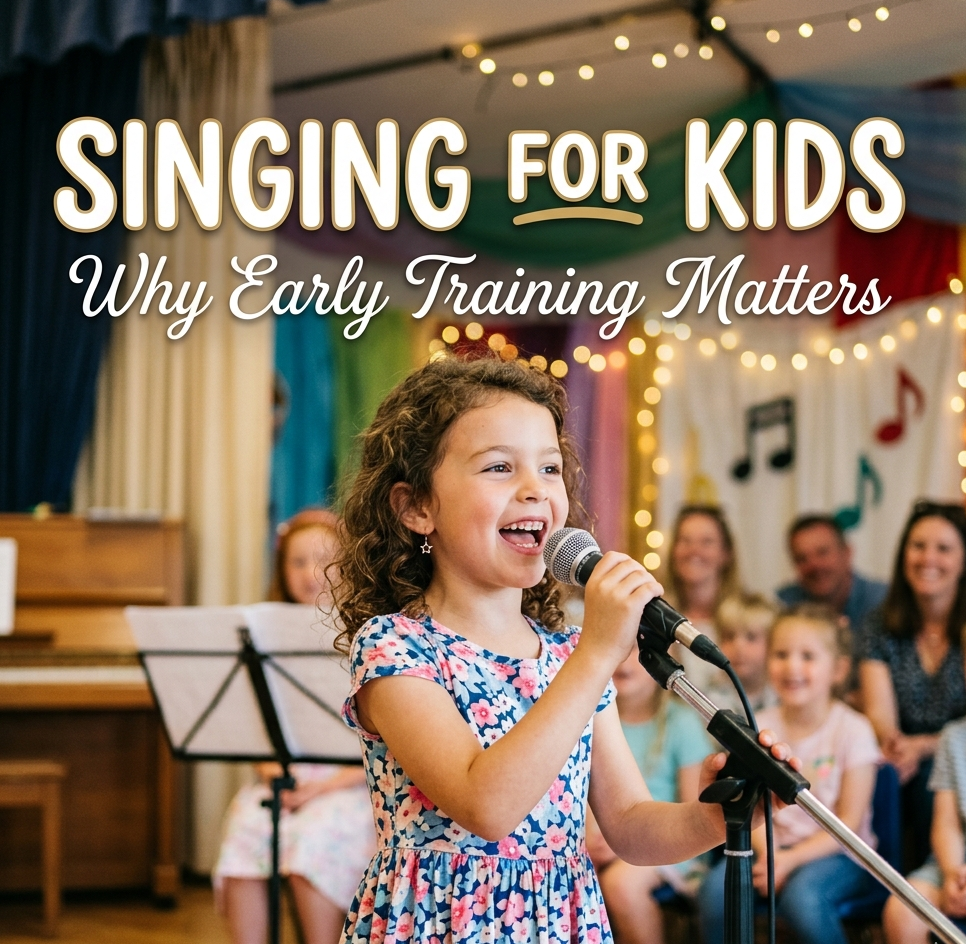
Singing for Kids | Why Early Training Matters
Singing for Kids | Why Early Training Matters
Music often enters a child’s life long before words are fully formed. A lullaby, a playful rhyme, or a familiar tune hummed at bedtime quietly begins shaping listening skills, emotional awareness, and confidence. Singing for Kids becomes especially meaningful when it is introduced as part of a child’s structured learning journey early on, because its influence then grows far deeper than most parents expect.
Early vocal training is not about producing professional singers. Instead, it nurtures expression, discipline, creativity, and joy in ways that stay with children throughout life. Understanding how and why singing lessons benefit young learners helps families make thoughtful choices about introducing music at the right time.

The Natural Connection Between Children and Singing
Children instinctively respond to rhythm and melody. Long before formal schooling begins, they experiment with sounds, imitate tones, and react emotionally to music around them. Because singing is already part of their natural communication style, introducing structured guidance feels less like instruction and more like exploration.
As young voices grow, they remain flexible and receptive to learning pitch patterns, breathing habits, and listening skills. Early exposure strengthens these abilities gently and effectively. Over time, children become more aware of how their voices function, which helps them sing with confidence rather than hesitation.
A supportive musical environment also encourages curiosity. When children feel free to experiment with sound, they develop stronger creative instincts that extend beyond music into language, storytelling, and imagination.

Singing for Kids | Building Confidence Through Voice Expression
Confidence develops gradually, especially when children are encouraged to express themselves openly. Singing lessons provide a safe space where mistakes are accepted as part of learning rather than something to fear. Because progress happens step by step, children begin to trust their own abilities.
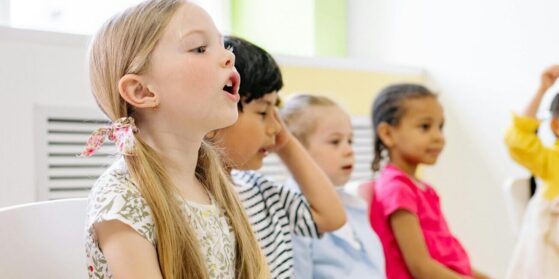
Standing up to sing—even in a small group—can feel like a powerful achievement. With each successful attempt, self-belief strengthens naturally. Eventually, this confidence carries into classroom participation, presentations, and everyday communication.
Importantly, singing allows children to share emotions without needing complex vocabulary. Happiness, excitement, curiosity, and even nervousness find expression through music. Such emotional release supports healthier communication habits as they grow older.
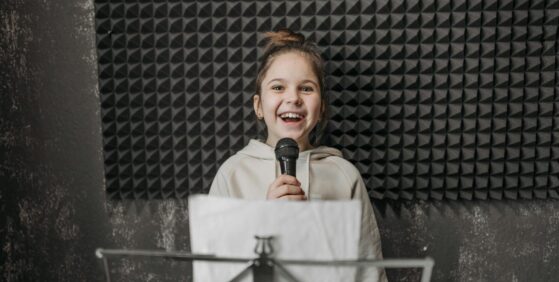
Strengthening Listening and Concentration Skills
Strong listening skills form the foundation of both musical learning and academic success. Singing teaches children to pay attention to pitch, rhythm, tempo, and tone while also following instructions carefully. These habits improve focus in subtle yet meaningful ways.
While practicing songs, children learn patience and persistence. They begin recognizing patterns and responding to musical cues more quickly over time. Because attention becomes sharper through repeated listening exercises, learning in other subjects often feels easier as well.
Gradually, the ability to stay engaged for longer periods develops. That improvement supports not only music practice but also reading, problem-solving, and collaborative activities in school settings.

Singing for Kids | Supporting Language Development and Memory
Music and language share many structural similarities. Both rely on rhythm, tone variation, and sequencing. Singing naturally strengthens pronunciation clarity, vocabulary recall, and sentence flow.
Children exposed to musical training early often demonstrate improved memory skills. Lyrics require repetition and recall, which strengthens neural connections linked to learning. As a result, remembering information in other subjects becomes more manageable.
Another advantage appears in speech rhythm. Singing helps children understand pauses, emphasis, and timing within sentences. These subtle language cues support clearer communication and better storytelling ability.

Encouraging Emotional Awareness and Balance
Music provides children with a safe channel for emotional exploration. Through songs, they learn to identify moods, express feelings, and respond empathetically to others. That emotional connection strengthens social understanding as well.
During moments of stress or frustration, singing offers comfort and relaxation. A familiar melody can calm anxiety and restore focus surprisingly quickly. Over time, children begin using music as a natural coping strategy.
Creative activities like singing also foster resilience. When children experience progress through practice, they learn that improvement comes with patience and effort. This mindset supports emotional strength in many areas of life.
Developing Discipline Through Enjoyable Practice
Structured musical training introduces children to routine in a positive way. Practice sessions become opportunities for growth rather than obligations. Because singing feels enjoyable, children remain motivated to return to it regularly.
Consistency gradually shapes responsibility. Young learners start understanding the importance of preparation, repetition, and attention to detail. These habits later support academic discipline and extracurricular commitment.
Interestingly, singing balances structure with freedom. Children follow musical guidelines while still expressing individuality through tone and interpretation. That combination encourages both responsibility and creativity at the same time.
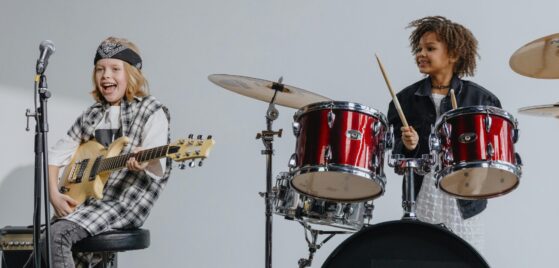
Singing for Kids | Improving Social Skills Through Group Singing
Group singing experiences create strong bonds between children. Working together toward a shared musical goal builds cooperation and respect naturally. Listening to others while blending voices teaches patience and awareness.
Participation in ensembles or small singing groups also reduces stage fear over time. Children learn they are part of a supportive team rather than standing alone. That sense of belonging increases comfort during performances.
Shared musical experiences often become lasting memories. Friendships formed through creative collaboration tend to feel meaningful and encouraging for young learners.
Protecting and Guiding the Young Voice Safely
Young voices are delicate and still developing. Early training ensures children learn proper breathing techniques and healthy vocal habits from the beginning. Without guidance, imitation of adult singing styles sometimes leads to strain or discomfort.
Teachers trained in working with children understand how to introduce exercises gently. Instead of forcing range or volume, they focus on comfort and natural tone development. This careful approach protects vocal health while building confidence gradually.
Healthy technique learned early remains useful throughout life, whether children continue singing seriously or simply enjoy music recreationally.

Singing for Kids | Encouraging Creativity Beyond Music
Although singing begins as a musical activity, its influence reaches far beyond performance. Creative thinking becomes stronger when children explore melody, rhythm, and interpretation regularly. They begin connecting ideas more freely across subjects and activities.
Confidence gained through musical expression often appears in drawing, storytelling, drama, and public speaking. Because creativity feels familiar rather than intimidating, children approach new challenges with curiosity instead of hesitation.
Exposure to artistic experiences also encourages appreciation for culture and diversity. Songs from different traditions introduce young learners to new languages, stories, and perspectives in a natural way.

Creating Lifelong Joy Through Early Musical Experiences
Perhaps the most meaningful benefit of early singing training lies in the joy it creates. Music becomes a trusted companion throughout childhood and beyond, especially when children receive structured guidance through Western Vocal Lessons Online offered by The Mystic Keys. Whether children continue formal lessons or simply sing for pleasure later in life, those early experiences remain valuable and deeply meaningful.
Families often notice that musical routines bring warmth into daily schedules. Practice time gradually turns into shared moments of connection rather than structured tasks, particularly when learning happens in a comfortable and encouraging environment at home through interactive sessions. Over time, singing becomes part of a child’s identity rather than just an activity.
When children discover their voices early, they learn something powerful: expression is always available to them. That realization supports confidence, creativity, and emotional strength in ways that continue to benefit them for years to come. 🎶
For more information and exciting resources about learning music, visit our website at The Mystic Keys. For more music content and exciting offers follow us on
Facebook, Instagram, YouTube, LinkedIn, Twitter, Pinterest, and Threads.