Most Misheard Song Lyrics Ever | Did You Get Them Wrong Too?
Most Misheard Song Lyrics Ever | Did You Get Them Wrong Too?
Have you ever sung a song confidently for years, only to discover one day that the lyrics you were belting out were completely wrong—only to realize later it was actually a Most Misheard Song moment? That realization can feel equal parts embarrassing and hilarious at the same time. The truth, however, is simple: almost everyone has experienced a Most Misheard Song situation at least once in their lives. Misheard lyrics are so common that they’ve become a shared cultural experience, something listeners across generations bond over without even trying.
Music connects us emotionally, but sometimes our brains play clever tricks while processing words wrapped inside melodies. A phrase becomes something else entirely. A serious line transforms into something silly. Occasionally, the original meaning disappears altogether, replaced by something far more entertaining. Those unexpected interpretations often stick longer than the correct version, which makes them even more memorable.
Let’s take a closer look at why misheard lyrics happen, explore some of the funniest examples people still laugh about today, and understand why getting lyrics wrong might actually be part of the magic of listening to music.

Why Do We Mishear Song Lyrics So Easily?
Listening to music feels effortless, yet understanding lyrics inside songs is surprisingly complex. Voices blend with instruments, rhythms change quickly, and pronunciation varies depending on the singer’s accent or vocal style. Because of this, our brains start filling in gaps automatically.
Often, the melody takes priority over clarity. Listeners tend to focus on the emotional tone rather than individual syllables, especially during the first few listens. As a result, the brain substitutes unfamiliar sounds with familiar ones that seem to make sense in the moment. Once that version settles in memory, it becomes difficult to replace it with the correct wording later.
Another interesting factor involves expectation. When someone already anticipates certain words based on context, their mind reshapes the lyrics to match that expectation. This process happens subconsciously, which explains why even careful listeners sometimes get fooled. Over time, repetition strengthens the mistaken version until it feels completely accurate.
In many ways, misheard lyrics reveal just how creative our minds can be.

When Lyrics Turn Into Something Completely Different
Sometimes a small change in pronunciation creates an entirely new sentence. At other times, the shift becomes so dramatic that the original meaning disappears altogether. These transformations are what make misheard lyrics especially funny and memorable.
Imagine singing confidently along to a romantic song, only to discover later that what sounded heartfelt was actually something entirely unrelated. Many listeners have turned emotional ballads into accidental comedy without realizing it. Friends often notice first, which leads to those unforgettable “Wait… what did you just sing?” moments.
Even more amusing situations happen when a serious song suddenly sounds like it’s describing food, animals, or random daily objects. Once that alternate version enters your mind, hearing the original again becomes almost impossible. The brain keeps replaying the funny interpretation instead.
Those unexpected transformations are exactly why misheard lyrics continue to entertain people across languages and cultures.

Childhood | The Golden Age of the Most Misheard Song Memories
Children may be the undisputed champions of lyric misinterpretation. Young listeners approach songs with imagination instead of analysis, which makes their versions especially creative.
A child might replace unfamiliar vocabulary with words they already understand. Another might transform abstract phrases into vivid everyday scenes. Since kids rarely question their interpretations, they sing these alternate versions with complete confidence and enthusiasm.
Parents often notice these changes first, and many still remember them years later. Stories about childhood lyric mistakes become family memories that never quite fade. Surprisingly, those early misunderstandings sometimes stay with people into adulthood, especially if nobody corrected them right away.
Because childhood listening happens during language development, those early interpretations can feel especially natural and convincing.
Accents, Speed, and Style | The Perfect Recipe for Confusion
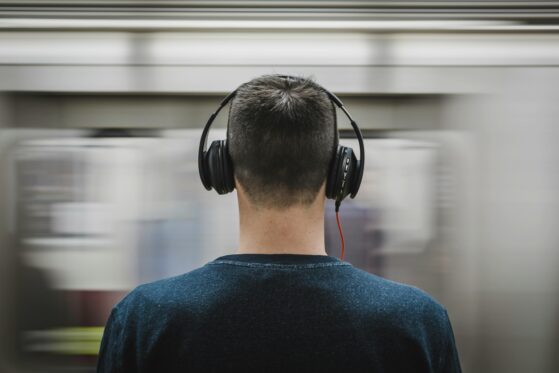
Different singing styles contribute heavily to lyric confusion. Artists often stretch words, shorten vowels, or blend sounds together to match rhythm and melody. While those choices make songs more expressive, they also make them harder to understand clearly.
Fast-paced songs create another challenge altogether. Rapid delivery leaves little time for listeners to process each word, so the brain fills in missing details automatically. In many cases, people remember the rhythm perfectly while misunderstanding the actual message.
Accents add yet another layer to the puzzle. When singers pronounce familiar words differently from what listeners expect, confusion becomes almost inevitable. That difference can turn a simple phrase into something entirely new without anyone noticing right away.
Interestingly, these variations often make songs more distinctive, even when they lead to hilarious misunderstandings.

Why the Most Misheard Song Lyrics Feel So Relatable to Everyone
There is something comforting about realizing others have made the same mistake. Discovering that friends, classmates, or even strangers misunderstood the exact same lyric creates an instant sense of connection.
Shared laughter plays a big role here. People rarely feel embarrassed for long once they learn how common lyric confusion really is. Instead, they start exchanging their own examples, turning the moment into a fun conversation.
Social media has made this phenomenon even more visible. Listeners regularly share their funniest lyric misunderstandings online, and many of those posts quickly become viral because so many people relate to them. A single misheard line can suddenly unite thousands of listeners who thought they were alone in their mistake.
That shared experience transforms confusion into something joyful.

The Science Behind Hearing What Isn’t There
Misheard lyrics are not just funny accidents; they are also connected to how the brain processes sound and language. When the brain receives incomplete or unclear information, it automatically searches for patterns that make sense based on previous experience.
Psychologists sometimes describe this process as the mind’s way of solving puzzles quickly. Instead of waiting for perfect clarity, the brain fills missing pieces instantly so the listener can keep enjoying the music without interruption.
Context matters a great deal during this process. If the surrounding melody suggests a particular emotion or theme, the brain chooses words that match that expectation. Once that interpretation settles into memory, replacing it later becomes surprisingly difficult.
Understanding this process makes lyric confusion feel less like a mistake and more like a natural part of listening.

When the Wrong Lyrics Become the Better Version
Occasionally, the incorrect version sounds so funny or creative that listeners prefer it over the original. That moment turns a simple misunderstanding into a personal tradition.
Some people continue singing their favorite “wrong” version even after learning the truth. Others teach those alternate lyrics to friends just for fun. In certain cases, entire groups adopt the playful version as an inside joke that lasts for years.
Music has always invited participation, and these alternate interpretations become part of that experience. Instead of reducing enjoyment, they often make songs feel more personal and memorable.
After all, the goal of music has never been perfection. Connection matters far more than accuracy.

So… Did You Get the Most Misheard Song Lyrics Wrong Too?
Almost everyone has at least one story about confidently singing lyrics from a Most Misheard Song without realizing they had the words completely wrong. Some people discovered the truth quickly, while others carried their version for years before the real lyrics surprised them. Either way, those moments remain unforgettable because they bring together surprise, humor, and a touch of nostalgia that makes music feel even more personal.
The next time you catch yourself mishearing a line from a Most Misheard Song, there is absolutely no reason to feel embarrassed. Someone else has very likely heard the exact same version and laughed about it too. Music has a beautiful way of bringing people closer, even through tiny misunderstandings that make listening more human, relatable, and fun. At The Mystic Keys, these joyful musical moments are often seen as part of the learning journey, where curiosity about songs naturally leads listeners to explore rhythm, pronunciation, and meaning more deeply.
So go ahead—sing loudly, sing proudly, and if the lyrics from a Most Misheard Song turn out to be different from what you believed, enjoy the story that comes with that discovery. Chances are, you are definitely not alone at all.
For more information and exciting resources about learning music, visit our website at The Mystic Keys. For more music content and exciting offers follow us on
Facebook, Instagram, YouTube, LinkedIn, Twitter, Pinterest, and Threads.