Handle Q&A Sessions with Ease | Win Over Your Audience
Learning to handle Q&A sessions effectively is an essential skill for every speaker. Standing before an audience and delivering your talk may feel like the most challenging part of a presentation—but the real test often comes right after: the Q&A session. This is where your confidence, clarity, and quick thinking truly shine. Whether it’s a classroom, a corporate event, or a virtual webinar, how you handle questions can shape how your audience perceives your expertise.
Many speakers spend hours perfecting their slides but give little thought to what might follow. Yet, the most successful presentersanticipate questionslong before the session begins. Think about the potential queries that could arise from your content. Note areas where your audience might want clarification, debate, or deeper insight.
You can even ask a colleague or friend to review your talk and pose challenging questions. This not only sharpens your understandingbut also ensures you’re never caught off guard.
Being ready with data, examples, and stories that support your answers makes you sound confident and credible.
Set the Tone to Handle Q&A Sessions Smoothly
A great way to keep Q&A sessions smooth is to establish clear ground rules at the beginning of your talk. Mention whether you’ll take questions at the end or throughout the session. If you’re short on time, inform the audience that you’ll address a few questions and encourage the rest to connect with you afterward.
When people know what to expect, it reduces interruptions and creates a more focused environment. It also shows that you respect everyone’s time.
Listen Closely to Handle Q&A Sessions with Clarity
When a question is asked, it’s easy to jump into an answer right away—especially if you feel confident. However, seasoned speakers take a brief moment tolisten carefully and fully understand what’s being asked.
Maintain eye contact with the questioner, nod to show engagement, and avoid interrupting. If the question is unclear, politely ask for clarification or rephrase it to ensure you understood it correctly. This not only demonstrates respect but also gives you a few extra seconds to organize your thoughts.
Stay Calm and Professional
Not all questions will be friendly. Some may challenge your viewpoint or test your composure. When faced with a tough or confrontational question, stay collected.
Take a deep breath, smile, and respond with courtesy. If the question seems like an attack, focus on addressing the core concern rather than the tone. A calm and measured response shows maturity and confidence—traits that instantly elevate your credibility.
Remember: you’re there to share knowledge, not to win an argument.
Keep It Clear When You Handle Q&A Sessions
While it’s tempting to provide detailed explanations, lengthy answers can lose the audience’s attention. Strive for clarity and brevity. Begin by addressing the question directly, then add supporting details if needed. Avoid drifting into unrelated topics or repeating points from your presentation.
If a question requires a deeper discussion, suggest continuing the conversation after the session. This keeps the flow going and ensures everyone’s time is respected.
Engage the Whole Audience
When one person asks a question, it’s easy to focus only on them. But remember, your answer is for the entire audience. After listening to the question, briefly restate it so everyone understands what’s being discussed. This is especially helpful in large rooms or virtual settings where not everyone may have heard the question.
Then, address your response to the group rather than the individual. This small adjustment creates inclusivity and keeps everyone engaged.
Handle “I Don’t Know” Gracefully
Even the best-prepared speakers encounter questions they can’t answer. In such cases, honesty is always the best policy. Instead of fumbling or guessing, acknowledge that you don’t have the exact information at the moment. You can say something like:
“That’s an interesting point—I’ll need to look into it further. Let me get back to you with a detailed answer.”
Offering to follow up after the event shows integrity and professionalism. Audiences appreciate authenticity far more than forced confidence.
Manage Time Smartly
It’s easy for Q&A sessions to stretch longer than planned, especially when enthusiasm runs high. To keep things balanced, manage time proactively. If you have only ten minutes, mention that upfront. Prioritize questions that are relevant to the majority, and politely limit those that go off-topic.
For large groups, you can use written or digital question submissions to filter the most valuable ones. This keeps discussions productive and prevents time overruns.
End on a Strong Note
Never let your presentation fade out after the last question. Always close with a clear takeaway. Once the Q&A wraps up, thank the audience for their engagement and restate your key message or call to action. For instance, you could say:
“Thank you for your thoughtful questions. I hope today’s discussion gave you new insights into [topic]. Let’s continue exploring this together.”
This ensures that your session ends on a positive, purposeful note—leaving the audience with something meaningful to remember.
Reflect and Learn After Every Q&A Session
After every Q&A session, take a few minutes to reflect. Which questions caught you off guard? Did you handle interruptions smoothly? Was your tone confident throughout?
This self-evaluation helps you grow stronger with each experience. Over time, you’ll begin to anticipate audience reactions naturally and respond more effectively.
Even better, record your sessions if possible. Watching yourself later can reveal subtle habits—like overusing filler words or avoiding eye contact—that you might not notice in the moment.
Final Thoughts
Mastering Q&A sessions isn’t about having all the answers—it’s about connecting with your audience through thoughtful communication. Each question is an opportunity to clarify, educate, and build trust.
When you prepare thoroughly, listen actively, and respond with confidence, you don’t just handle Q&A sessions—you own them.
At The Mystic Keys, we believe that communication is at the heart of every great performance—whether it’s through music, teaching, or public speaking. Developing the ability to think on your feet, stay composed, and express yourself with clarity doesn’t just enhance your presentation skills; it elevates your confidence in every area of life.
So, the next time you step on stage or host an online session, embrace the questions that come your way. With the right approach, you’ll turn every query into a moment of impact and insight.
Intersted in learning music with us? Register now
For more information and exciting resources about learning music, visit our website at The Mystic Keys. For more music content and exciting offers follow us on
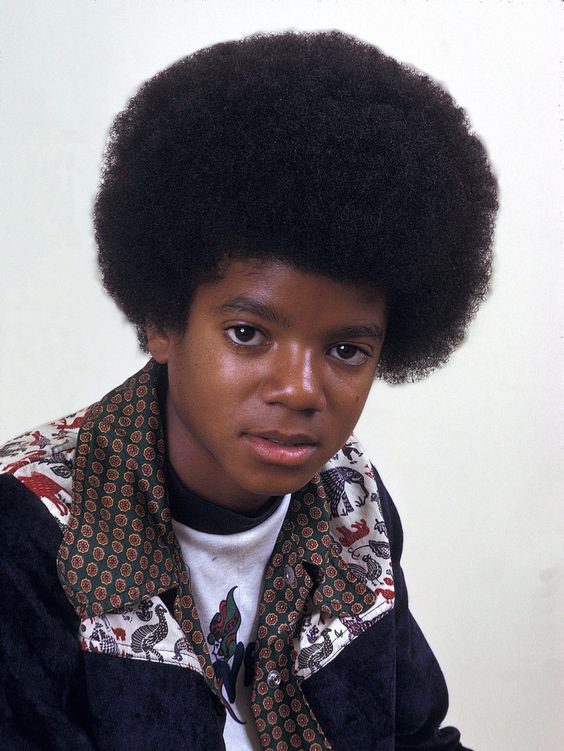
Michael Jackson’s Legacy: The Timeless Impact of the King of Pop
1. Michael Jackson Early Life and Musical Beginnings
Michael Jackson’s story began on August 29, 1958, in Gary, Indiana, as the eighth of ten children in a musically gifted family. From a young age, Michael Jackson’s extraordinary musical aptitude set him apart from his siblings and hinted at the legendary career that would follow. Michael Jackson’s father, Joseph Jackson, recognized his son’s talent early and guided Michael Jackson’s training through rigorous practice sessions, ensuring that every performance showcased perfection. While the environment was strict, it cultivated discipline, resilience, and a drive that would shape Michael Jackson’s legendary work ethic.
The formation of the Jackson 5 marked the first stage of Michael Jackson’s public career. Performing with his brothers, Michael Jackson unmatched vocal range, stage presence, and charisma quickly drew attention. Hits such as I Want You Back, ABC, and Never Can Say Goodbye propelled the group to international fame, while Michael Jackson ability to convey deep emotion through song captivated audiences. Even as a child performer, Michael Jackson’s exhibited technical mastery, an innate understanding of rhythm, and natural showmanship—all of which laid the foundation for Michael Jackson’s solo career.
Beyond music, Michael Jackson upbringing instilled in him a profound sense of determination. Navigating fame at a young age was challenging, yet Michael Jackson approached every performance with professionalism and focus that belied his age. The combination of raw talent, relentless practice, and early stage experience became the cornerstone of Michael Jackson eventual transformation into a global icon and the undisputed King of Pop.
2. Michael Jackson Solo Career Breakthrough
Michael Jackson’s solo career is widely regarded as a turning point in pop music history. His 1979 album, Off the Wall, marked the start of his journey as a solo artist. Collaborating with the legendary Quincy Jones, Michael Jackson blended pop, funk, and disco in a fresh, innovative way. Songs like Don’t Stop ’Til You Get Enough and Rock with You demonstrated Michael Jackson’s vocal versatility, musical sophistication, and natural ability to create universally appealing music.
However, the 1982 release of Thriller catapulted Michael Jackson to unprecedented global stardom. Thriller became the best-selling album of all time, an extraordinary achievement that redefined success in the music industry. Tracks like Billie Jean, Beat It, and the title track Thriller demonstrated Michael Jackson mastery of rhythm, melody, and storytelling. The album not only dominated charts but also shaped popular culture, influencing fashion, dance, and music video production.
Following Thriller, Michael Jackson continued to break records with albums like Bad (1987), which featured hits such as Smooth Criminal, Man in the Mirror, and The Way You Make Me Feel. Michael Jackson’s ability to fuse socially conscious themes with compelling rhythms and melodies cemented his status as an innovator. His solo career represents a perfect combination of artistic brilliance, technical mastery, and cultural impact, making Michael Jackson one of the most influential figures in music history.
3. Michael Jackson Revolutionized Music Videos
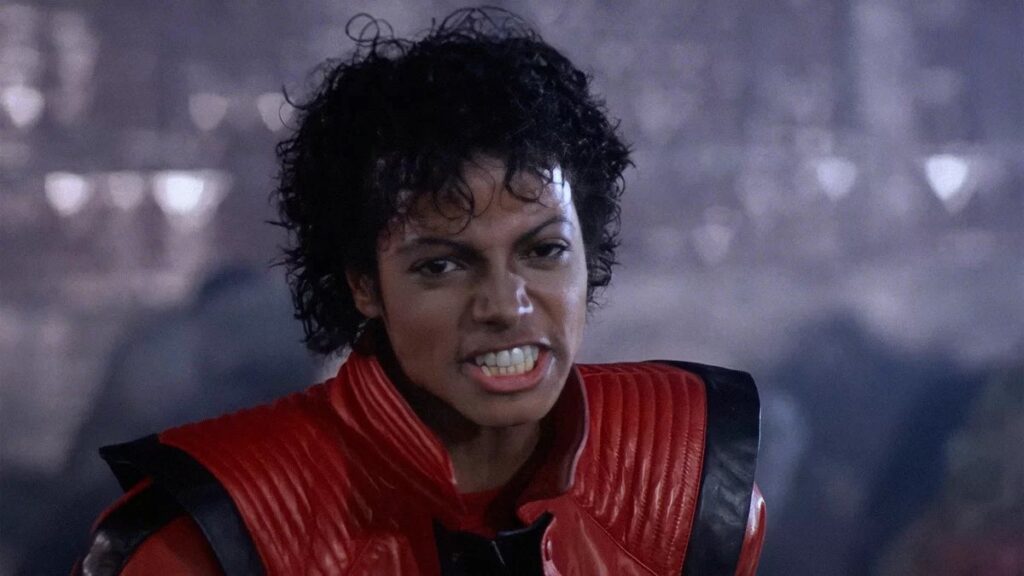
Michael Jackson’s transformed music videos into a cinematic art form, elevating them beyond mere promotional tools. Prior to Michael Jackson, music videos were largely simple recordings of performances. With Thriller, Michael Jackson introduced a new era of storytelling, combining narrative, choreography, and high-quality production. The 14-minute Thriller video, directed by John Landis, featured elaborate costumes, makeup, and special effects, creating an immersive experience that captivated viewers worldwide.
Following Thriller, Michael Jackson’s continued to innovate with videos such as Bad, Smooth Criminal, Black or White, and Remember the Time. Each video featured groundbreaking choreography, narrative storytelling, and visual effects, setting a new standard for the music industry. Michael Jackson’s videos were not merely promotional tools; they were cultural events, inspiring future generations of musicians, filmmakers, and dancers. His approach revolutionized how audiences engaged with music and visual media, establishing Michael Jackson as a true innovator in both music and cinematic artistry.
4. Michael Jackson Iconic Dance Moves
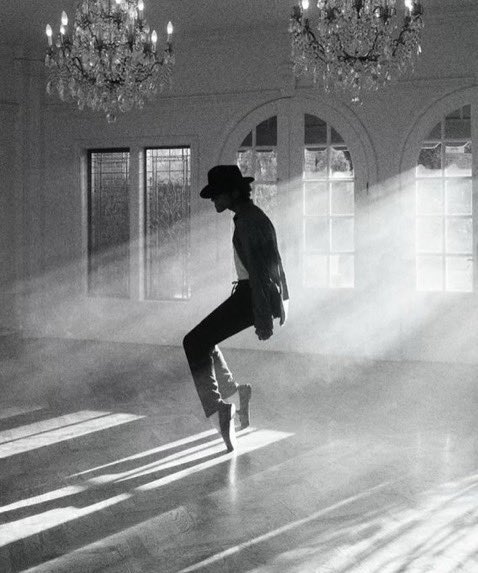
Few performers have redefined dance in the way Michael Jackson did. Perhaps Michael Jackson’s most famous move, the Moonwalk, became a symbol of his artistry and innovation. First performed publicly during a 1983 television special, Michael Jackson Moonwalk captivated viewers and remains a hallmark of pop culture.
Beyond the Moonwalk, Michael Jackson developed an array of signature moves, including spins, anti-gravity leans, and intricate footwork. Michael Jackson choreography was precise, fluid, and electrifying, combining technical skill with expressive storytelling. These moves influenced dancers globally and continue to inspire performers across genres. Michael Jackson dedication to dance was unparalleled; he often spent hours perfecting each routine to achieve flawless execution, demonstrating his commitment to excellence, showmanship, and the legacy of the King of Pop.
5. Michael Jackson Philanthropy and Humanitarian Work
Michael Jackson was not only a musical genius but also a committed humanitarian. Throughout his life, Michael Jackson donated millions to hospitals, children’s charities, and foundations worldwide. Michael Jackson’s believed in using his fame and wealth to improve the lives of others, demonstrating compassion and generosity that matched his artistic ambition.
One of Michael Jackson’s most notable contributions was the charity single We Are the World, co-written with Lionel Richie. The song raised millions for famine relief in Africa and highlighted Michael Jackson’s commitment to global humanitarian causes. Beyond monetary contributions, Michael Jackson actively advocated for children’s rights, education, and health initiatives, leveraging his celebrity status to create meaningful social impact. Michael Jackson philanthropic efforts were a vital component of his legacy, reflecting the depth of his humanity alongside his musical achievements and solidifying his role as not just an entertainer but a global humanitarian icon.
6. Michael Jackson Fashion and Cultural Influence
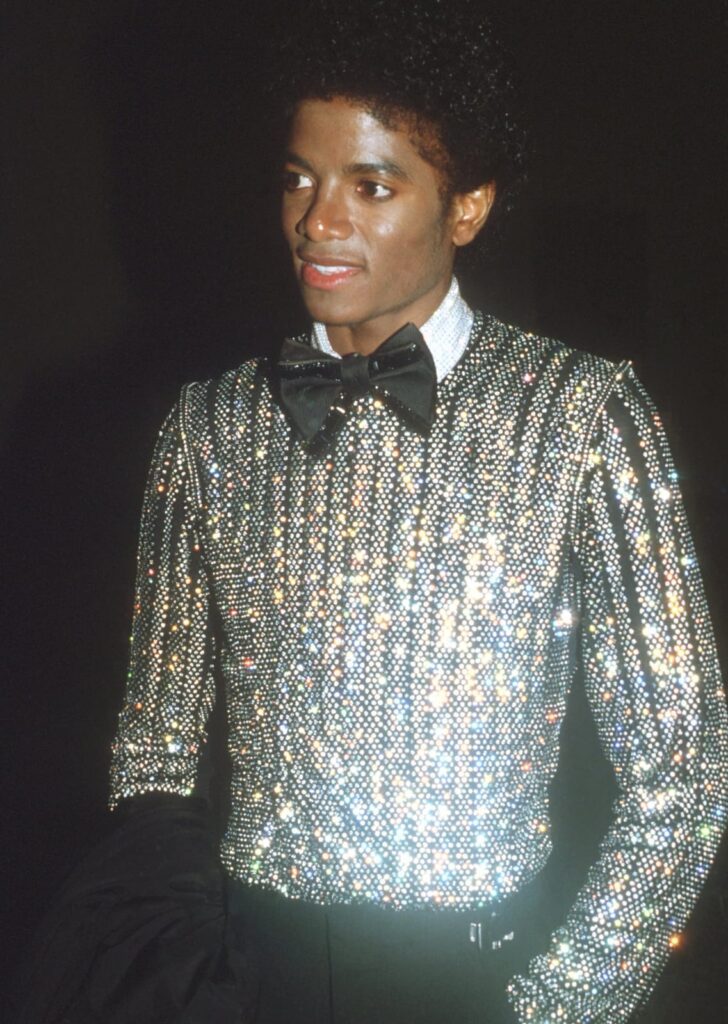
Michael Jackson’s influence extended beyond music into fashion and cultural trends. Michael Jackson’s signature style—glitter gloves, military jackets, fedora hats, white socks, and loafers—became instantly recognizable worldwide. Michael Jackson fashion choices were bold, theatrical, and trendsetting, inspiring fans and fellow artists alike.
Michael Jackson’s impact on fashion was not limited to individual style; he influenced broader cultural aesthetics. Many performers, from Madonna to contemporary pop artists, have drawn inspiration from Michael Jackson’s iconic looks. Michael Jackson’s visual identity became a vital aspect of his brand, enhancing his performances and reinforcing his legendary status as a cultural icon. His style continues to inspire designers, performers, and fans, solidifying Michael Jackson’s legacy not just as the King of Pop but also as a global fashion icon.
7. Michael Jackson’s Controversies and Public Life
Despite his monumental success, Michael Jackson’s life was often marred by controversy and public scrutiny. Media attention surrounding Michael Jackson’s personal life, physical appearance, and legal issues created challenges that he navigated while maintaining his artistic output.
From early childhood to adulthood, Michael Jackson’s every move was observed, critiqued, and sensationalized. While controversies occasionally overshadowed Michael Jackson’s music, his artistic achievements and influence persisted. Michael Jackson’s resilience in the face of intense scrutiny reinforced his status as a complex, multifaceted figure whose cultural contributions cannot be diminished. His ability to continue innovating, performing, and inspiring despite public scrutiny further solidified Michael Jackson’s legacy as the King of Pop and a global cultural icon.
8. Awards and Records
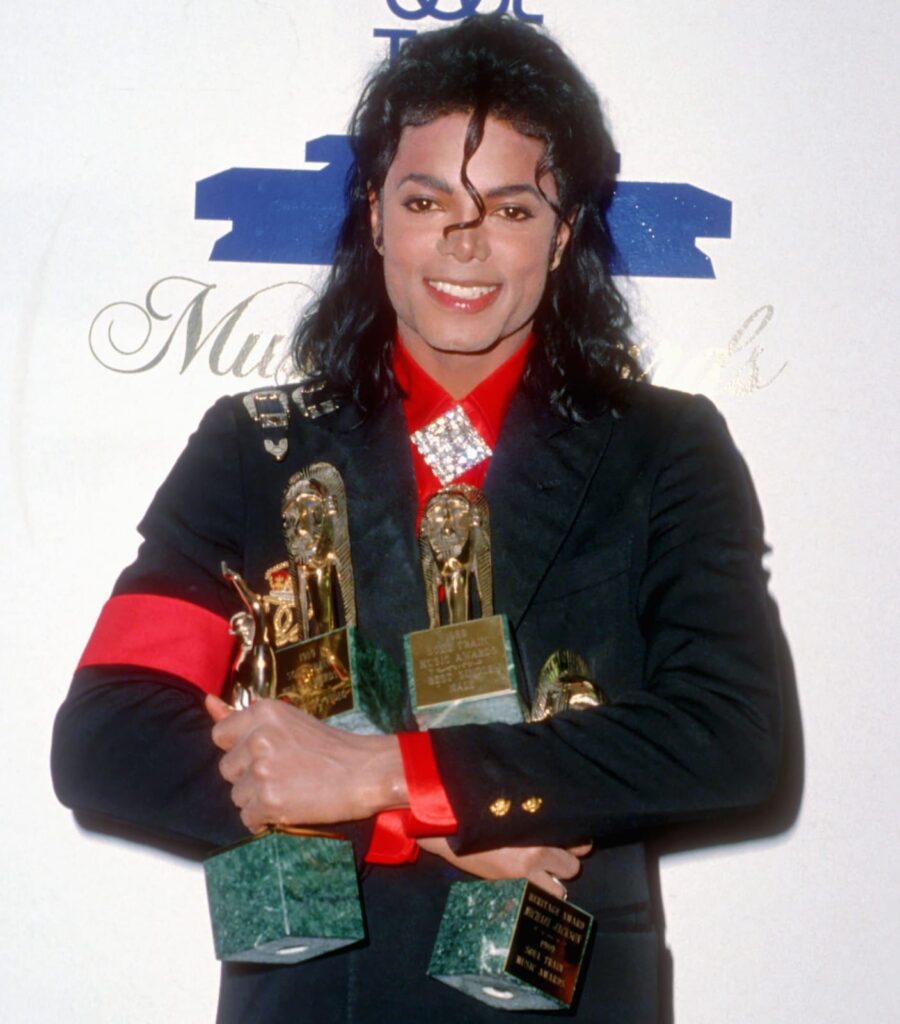
Michael Jackson’s career is unmatched in its accumulation of awards and records. He won 13 Grammy Awards, including the prestigious Grammy Legend Award, and received countless accolades from music, film, and humanitarian organizations. Michael Jackson holds multiple Guinness World Records, including the best-selling album of all time, Thriller, and the most top-charting singles in pop music history.
These achievements underscore not only Michael Jackson’s commercial success but also the enduring relevance of his work. Michael Jackson’s recognition spanned decades, reflecting his ability to innovate continually, connect with audiences, and influence the music industry profoundly. His awards and records cement Michael Jackson’s status as the undisputed King of Pop and a global music legend.
9. Michael Jackson’s Influence on Future Artists
Michael Jackson’s artistry has inspired countless musicians, dancers, and performers across genres and generations. Pop stars like Justin Timberlake, Beyoncé, Usher, and Bruno Mars have cited Michael Jackson’s as a primary influence, incorporating his signature dance moves, vocal techniques, and performance styles into their own work.
Beyond individual artists, Michael Jackson’s impact extends to music production, choreography, and visual storytelling in videos. His innovative approach set a template for how pop music is created, marketed, and performed, influencing the industry for decades. Michael Jackson’s legacy is visible in nearly every corner of contemporary pop culture, proving the timelessness of his contributions and solidifying his role as the ultimate King of Pop.
10. Michael Jackson’s Timeless Legacy
Michael Jackson’s legacy is timeless, transcending music, dance, fashion, and humanitarian work. Even decades after Michael Jackson’s passing in 2009, his influence permeates global culture. Michael Jackson’s music continues to inspire new generations of artists and fans, while his dance moves, such as the Moonwalk, and fashion choices, including glitter gloves and iconic fedora hats, remain enduring references worldwide.
More than an entertainer, Michael Jackson was a cultural innovator, blending art, technology, and performance into experiences that resonate across generations. Michael Jackson’s vision and artistry reshaped pop music, leaving a legacy that will continue to define what it means to be a global superstar. Michael Jackson is not just remembered as the King of Pop but as a symbol of artistic excellence, innovation, and cultural impact, solidifying Michael Jackson place as one of the most influential figures in modern music history.
Conclusion: The Lasting Legacy of Michael Jackson
Michael Jackson’s journey from a child prodigy in Gary, Indiana, to the King of Pop is a story of extraordinary talent, innovation, and cultural impact. His contributions to music, dance, fashion, and philanthropy have left an indelible mark on the world, shaping the entertainment industry and inspiring generations of artists and fans alike. From groundbreaking albums like Thriller and Bad to iconic music videos, signature dance moves, and charitable efforts, Michael Jackson redefined what it means to be a global superstar.
Despite controversies and public scrutiny, his artistry remains unparalleled. Michael Jackson legacy transcends time and trends; it is a testament to the power of creativity, vision, and resilience. Every note he sang, every move he performed, and every cause he championed reflects a dedication to excellence and humanity. Today, decades after his passing, his music continues to unite people across the globe, proving that the influence of the King of Pop is truly timeless.
In celebrating Michael Jackson, we honor not only a phenomenal entertainer but also a cultural pioneer whose legacy will inspire future generations. His life reminds us that music, art, and compassion have the power to transcend boundaries, touch hearts, and leave a permanent imprint on the world.
Intersted in learning music with us? Register now
For more information and exciting resources about learning music, visit our website at The Mystic Keys. For more music content and exciting offers follow us on
From Hobby to Career How Online Music Lessons Support Music Career Development
Music career development often begins with a single spark — playing an instrument for fun, singing casually, or writing songs in your spare time. What starts as a simple hobby can grow into a fulfilling profession with the right mix of passion, practice, and expert guidance.
In today’s digital age, building a successful career in music has never been more achievable. Platforms like The Mystic Keys empower aspiring musicians to transform their love for music into meaningful careers through structured, flexible, and inspiring online learning experiences.
1. Learn from Industry Professionals
One of the key factors in music career development is mentorship. Learning directly from experienced musicians and industry professionals can elevate your skills, knowledge, and confidence.
Online lessons bring these experts to your screen — no matter where you live. From classical pianists to modern producers, students can connect with global talent and receive insights that shape their professional journey.
2.Structured Learning for Steady Music Career Growth
Success in music isn’t just about talent; it’s about direction and consistency. Online learning platforms like The Mystic Keys offer structured courses that guide you step-by-step through your musical growth — from foundational skills to professional-level training.
This structured approach ensures you build strong technical skills, artistic expression, and performance confidence — all essential elements of music career development.
3. Real-World Skills that Strengthen Music Career Development
Turning music into a career requires more than just playing well. Aspiring professionals need to understand songwriting, production, and even the business side of the industry.
Online programs today go beyond performance. They include lessons on:
These practical lessons prepare you for the real world of the music industry — helping you move confidently from learner to leader.
4. Networking and Collaboration | The Backbone of Music Career Development
A major part of music career development is connecting with others. Online platforms allow you to collaborate with fellow musicians worldwide, perform virtually, and gain visibility among larger audiences.
These collaborations often lead to creative partnerships, band formations, or even independent releases — expanding your professional reach and reputation.
5. Flexibility that Fits Every Musician’s Career Journey
Every artist’s journey is unique. Online learning allows you to study at your own pace, revisit complex lessons, and schedule practice sessions around your lifestyle. This flexibility helps you balance passion and profession — a key factor in sustainable career growth.
Whether you’re a student, working professional, or self-taught musician, this approach lets you grow without burnout while steadily building your portfolio.
6. Affordable Access to Professional Music Training
Traditional in-person training can be expensive and geographically limited. Online learning breaks those barriers by offering affordable access to high-quality instruction, often at a fraction of the cost.
This accessibility ensures that anyone with dedication can pursue their music career development, regardless of background or location.
7. Turning Learning into Earning
As your skills and confidence grow, so do your professional opportunities. Many online-trained musicians now earn through performances, online collaborations, teaching, or creating their own digital music content.
With proper guidance from platforms like The Mystic Keys, your journey from hobbyist to professional becomes not just possible — but inevitable.
The journey from hobby to professional musician begins with one decision — to take your passion seriously. Through structured guidance, expert mentorship, and accessible online tools, music career development becomes a clear, achievable path.
At The Mystic Keys, we’re committed to helping every learner discover their unique sound, unlock their full potential, and confidently step into the world of professional music.
Your dream career in music starts with the first lesson.
Intersted in learning music with us? Register now
For more information and exciting resources about learning music, visit our website at The Mystic Keys. For more music content and exciting offers follow us on
Acoustic guitars are some of the most beloved and versatile instruments worldwide. From folk melodies to flamenco rhythms, pop ballads to classical compositions, the acoustic guitar has left an indelible mark on music across cultures
The ukulele may be small, but it holds the power to produce a wide spectrum of sounds. Once you’ve mastered the basics—strumming patterns, common chords, and simple melodies—you can begin to explore Advanced Ukulele Techniques
The acoustic guitar has long been celebrated for its warm, expressive character. Unlike its electric counterpart, it doesn’t rely on amplifiers or heavy processing to shape its tone. Instead, the acoustic guitar